
So I guess two blog posts in a row are going to be about my trips to see jazz concerts. That’s what I’ve been up to. This time, it was my GOAT (Greatest Of All Time) Herbie Hancock (refer to the previous post for more jazz fusion lore) who would be performing in Osaka. Given that the show would be on a Tuesday night, I took Monday, Tuesday, and Wednesday off work and planned to visit Kyoto as well. I proffered an invitation to many of my friends, and my friend Bobo from China accepted, citing a developing interest in jazz. I was pleased to have some company, especially from someone who speaks Japanese much better than I do.
Getting to Kyoto on Saturday was a real schlep. Starting from when I left my apartment around 9:30 AM, it went:
- Walk to my local train station
- Take the train to Matsuyama City Station
- Take the bus to Kobe
- Take the train to Osaka
- Take the train to Kyoto
- Take the bus to Arashimaya
- Walk to the hotel
By the time we arrived, it was dark, making for something like eight hours of travel. We were absolutely beat, so we opted for a dinner at a local izakaya before retiring early.
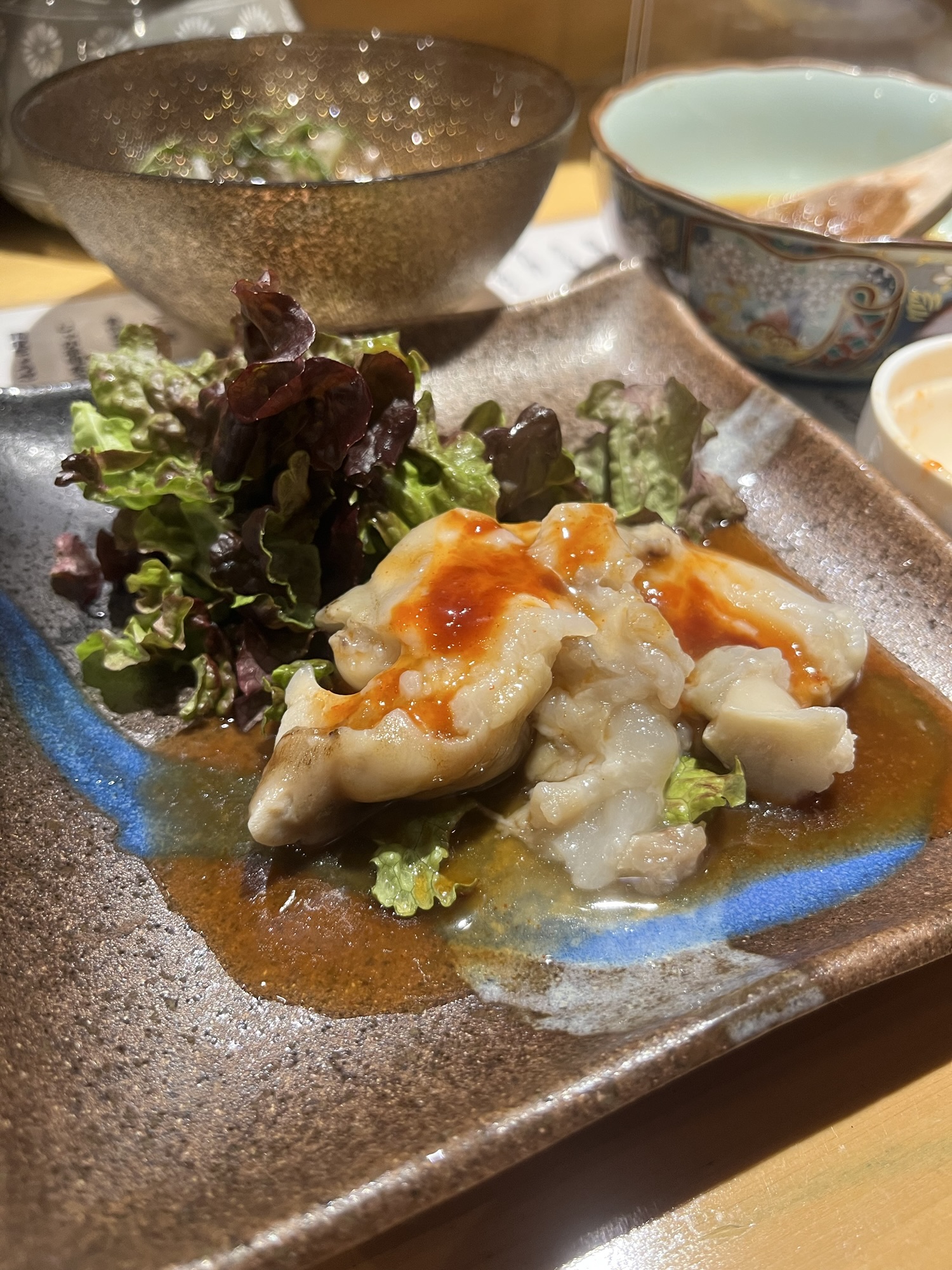
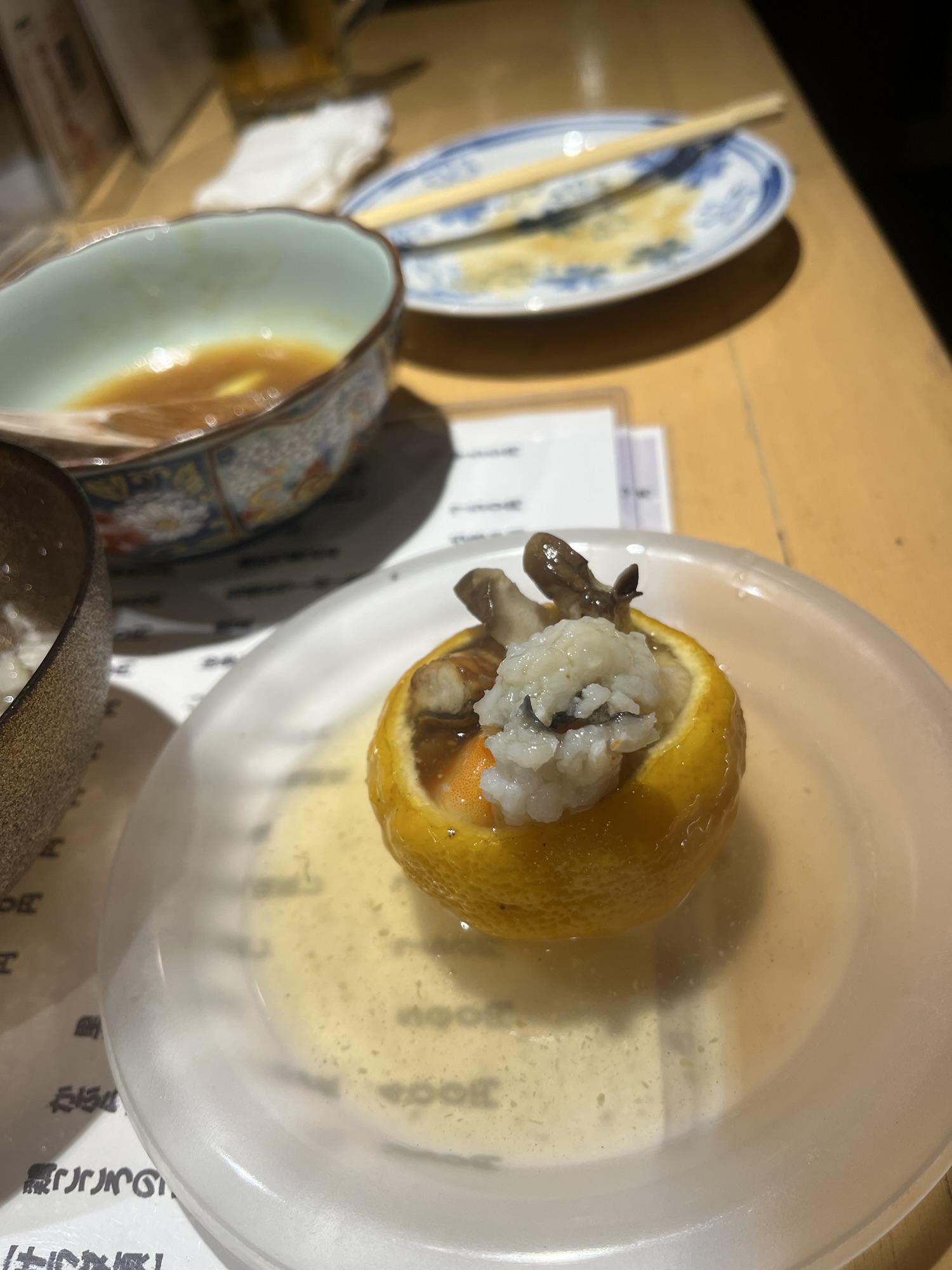


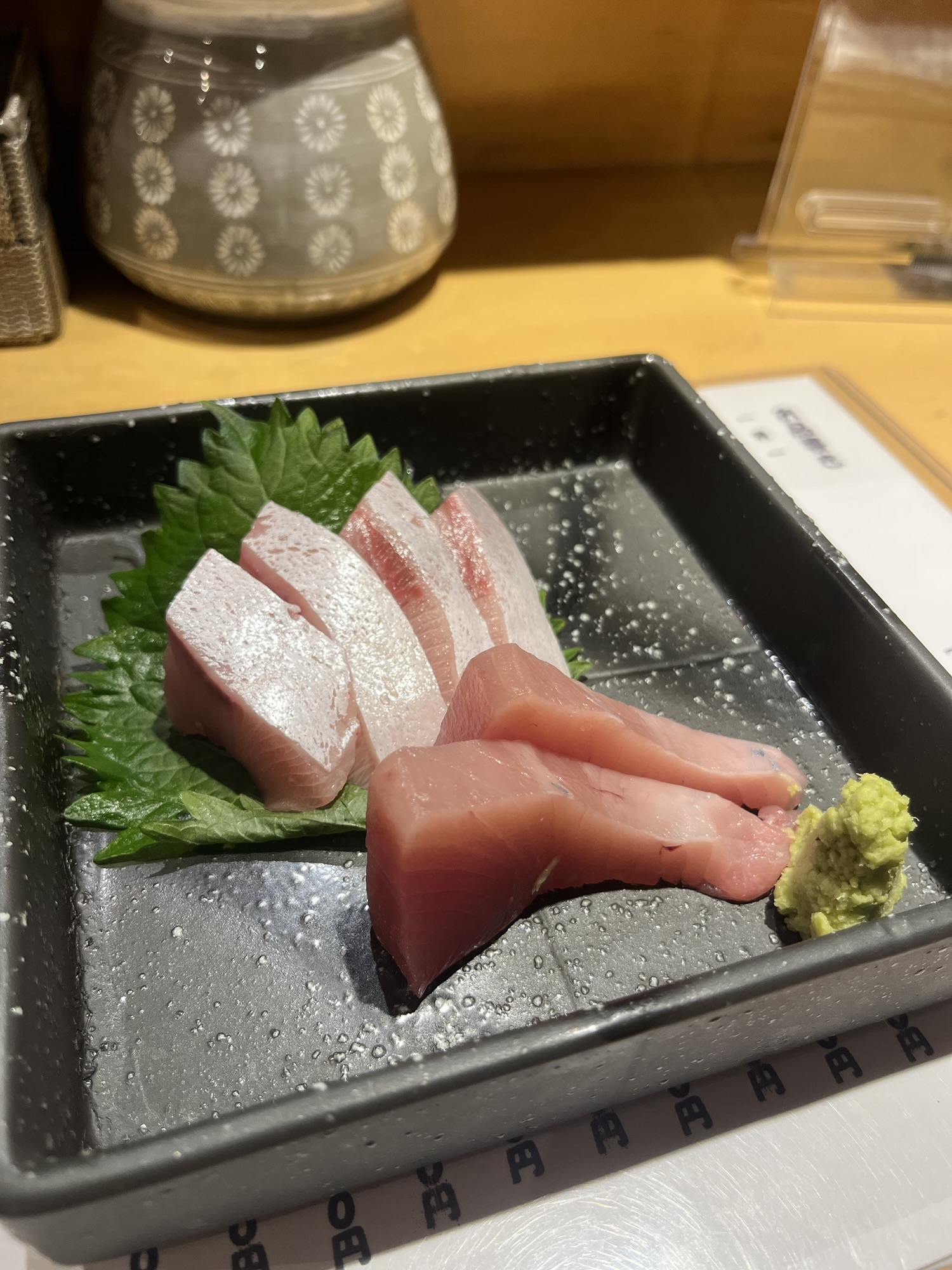

I don’t remember everything we ate, but the highlights were the sashimi and the chicken-skin gyoza (which I had the pleasure of sampling for the first time at an izakaya in Iyo). Weirder bits included boiled pig’s feet with a Tabasco-y sauce (just fat, pretty much) and some seafood served inside a yuzu peel. But it was definitely cozy vibes in a small neighborhood joint.
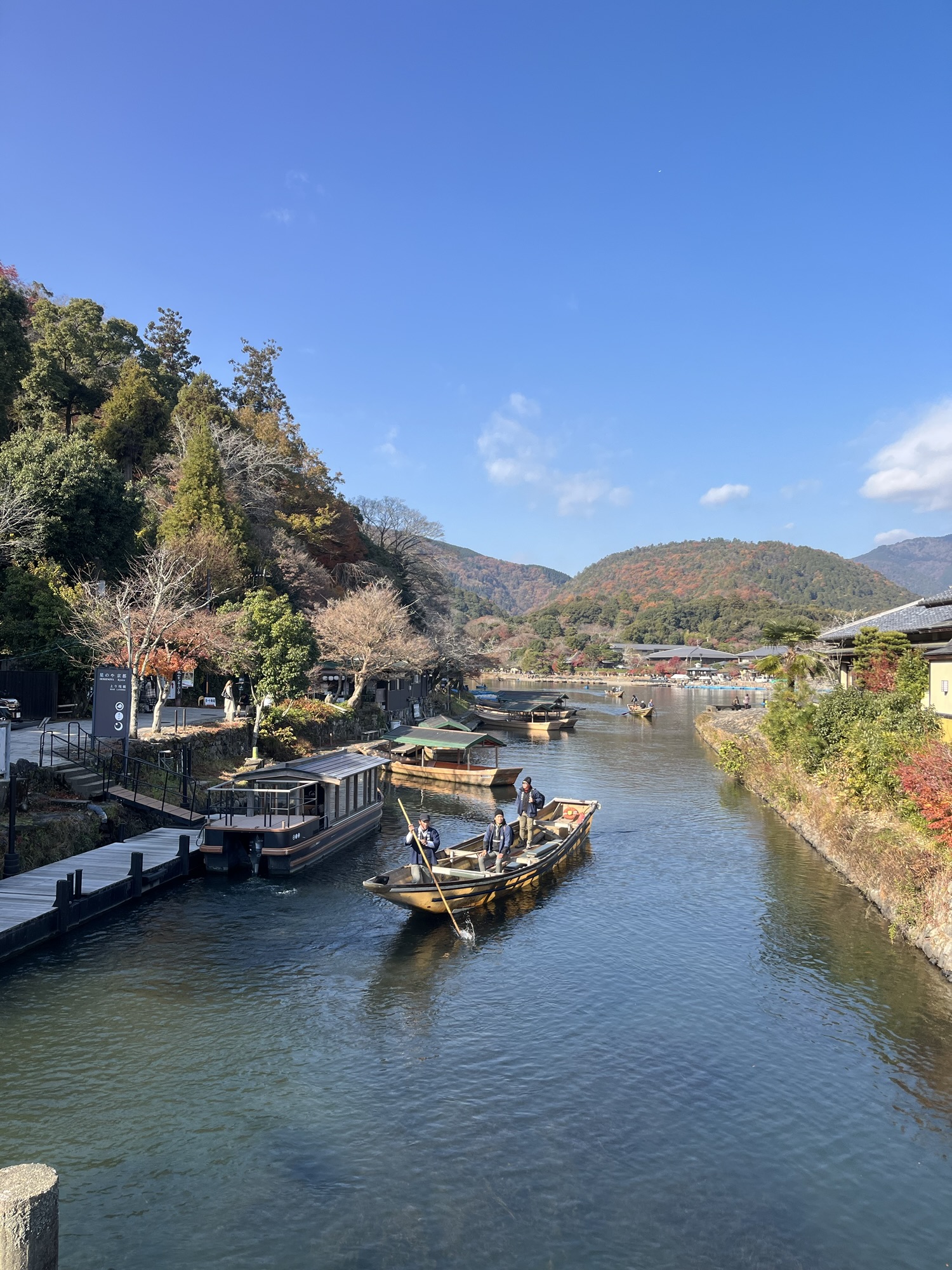
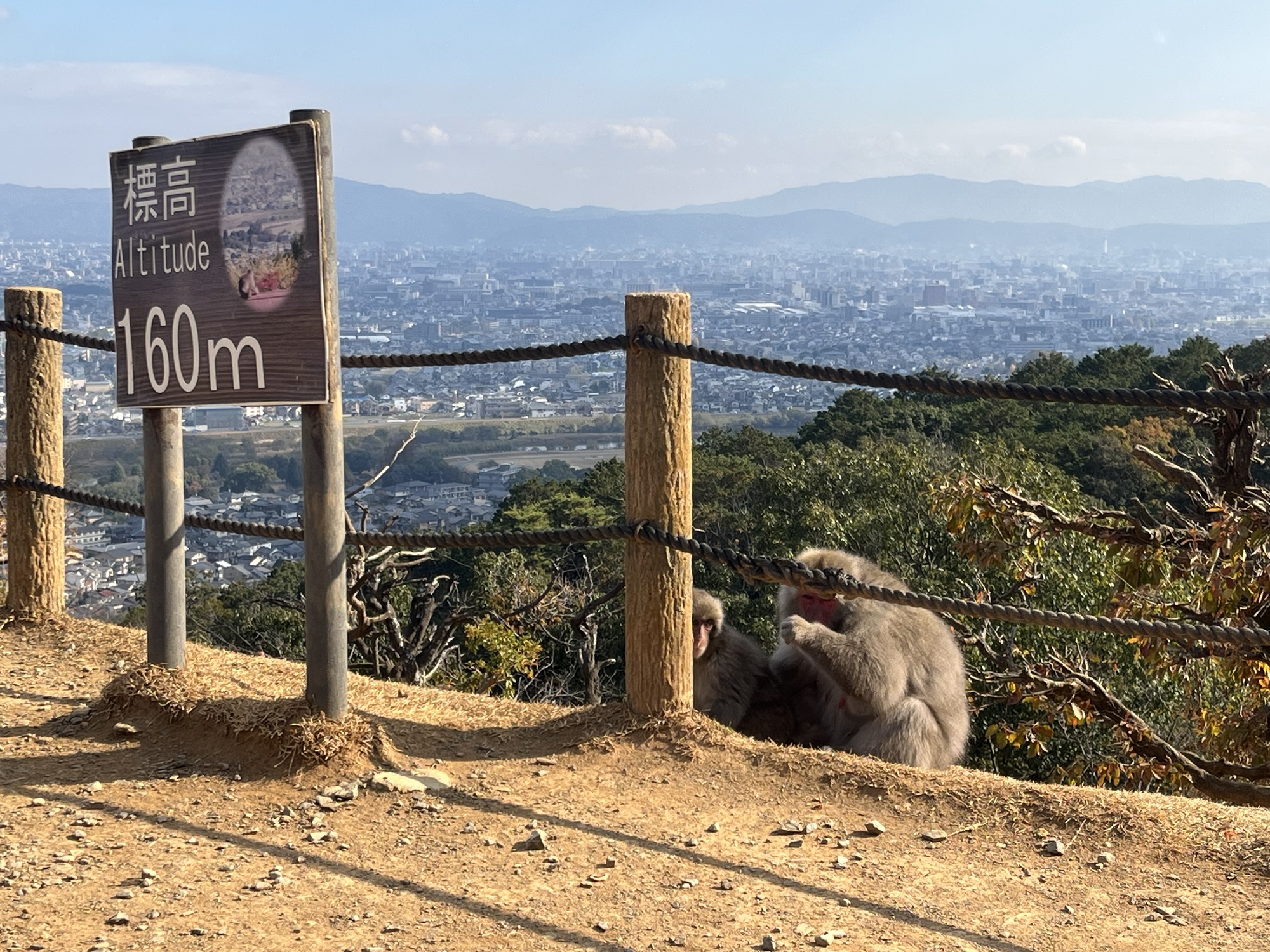
We rose early the next morning to hit Arashiyama. A historic part of Kyoto with the famous bamboo grove is absolutely mobbed by tourists. So after some coffee and banh mi, we skipped the bamboo grove and instead just visited the monkey park, where dozens of furry macaques (the widest-spread non-human primate) roam around, getting fed by tourists (only authorized food through bars for safety), and just generally hanging out for our amusement. I visited here when I was a kid.
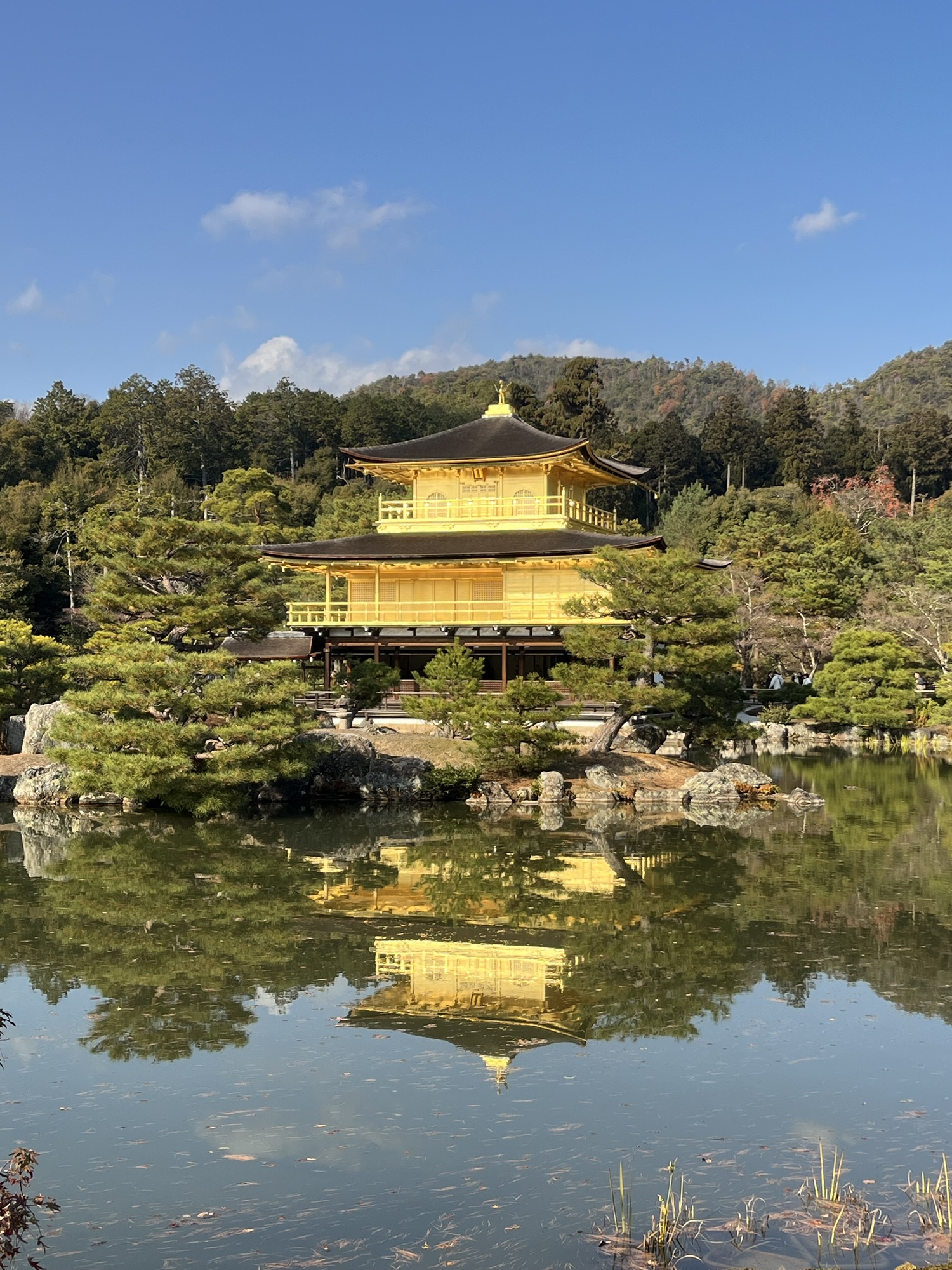
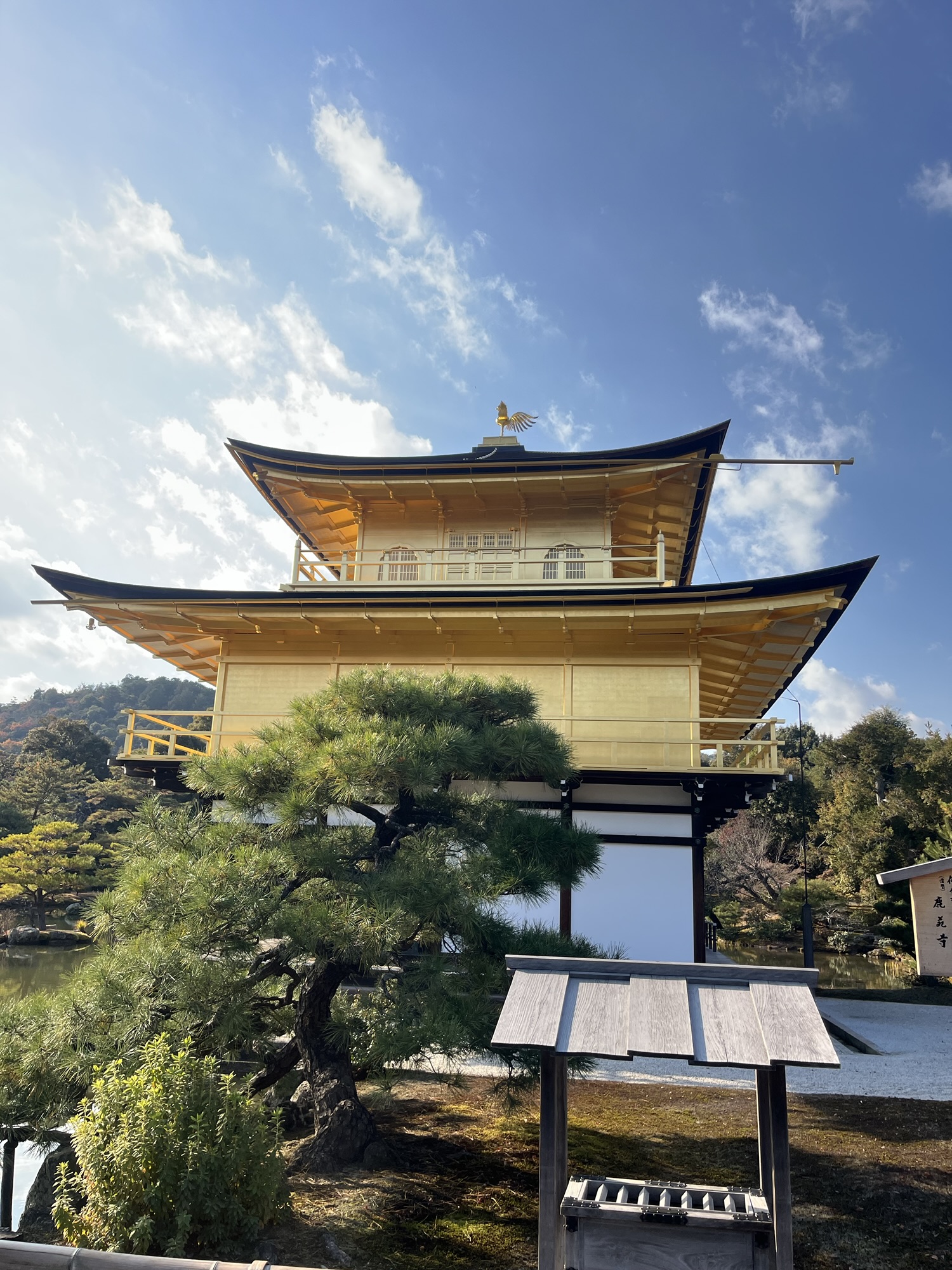
After we had our fill of monkeys, we headed over to another tourist hotspot, Kinkaku-ji (Golden Pavilion). This Buddhist temple was originally constructed in 1399. Does covering a temple in gold leaf seem to contradict the eradication of desire that is supposed to define Buddhism? To someone who knows very little about Buddhism, it would appear so. If it looks to be in great shape for being more than 600 years old, it’s because the original was burned down in an act of arson in 1950.


It’s a really interesting story, and one that was depicted in Yukio Mishima’s novel The Temple of the Golden Pavilion (1956) and subsequently in Paul Schrader’s (writer/director who wrote many of Scorsese’s biggest movies and directed several of his own as well) biographical drama Mishima: A Life in Four Chapters (1985).
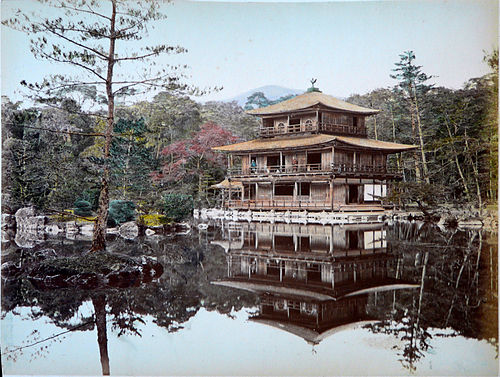

The decrepit pavilion in 1885, and the aftermath of the arson
The arsonist, Hayashi Yoken, was a 22-year-old novice monk who had sought to take over the temple but felt slighted by the head priest. He planned the fire for when there was a lapse in the fire alarm, and would attempt suicide immediately after. Police deduced it was him easily because he had burnt his belongings in the temple, and they found him about 12 hours after the fire, still alive after trying to overdose on sedatives and stabbing himself in the chest. Yoken’s mom committed suicide, and he died a year after being released from prison in 1956. Hey, let he who has not had fantasies about burning down one’s workplace cast the first stone (shades of Office Space (1999)).

All this talk of arson and suicide is making me hungry. Let’s stand in a really long line for soba. We arrived half an hour before close and joined the queue. As the clock ticked, I kept expecting the shop to close and turn us away, but we inched forward, committed to our sunk cost fallacy. It was only after I had been standing in line for quite some time that I realized that this was the legendary Honke Owariya, founded in 1465. Originally a mochi shop (although mochi is a bit of a misnomer, because mochi means rice cake and they made sweet treats out of soba (buckwheat) flour, most commonly buns filled with anko, or sweet red bean paste), the story of their conversion to noodles has to do with the proliferation of Zen Buddhism. As monks from mainland Asia (mostly China) brought their faith, they also brought their noodles. Soba was mostly produced in the temples themselves, but the monk noodle makers looked to confectionery manufacturers to improve their kneading, stretching, and cutting techniques. Historically, Honke Owariya has been associated with a number of Buddhist sects in Kyoto, where temples are a dime a dozen.
The current owner is the 16th to do so. I had actually patronized this establishment some ten or so years prior as a child (accompanied by Ultraman). We were seated shortly after 4 P.M., after waiting in line for an hour and forty minutes, and more than an hour after they were supposed to close. It definitely feels like an old building, though the current structure does not date all the way back to the 15th century, having been built in the early Meiji period (late 19th century). I’m not sure exactly when they started serving soba, but it probably started in the Edo Period (1603-1868), which means that if you figure about 100 customers a day for more than 400 years, you’re looking at ballpark estimates of more than 10 million customers served. Pretty mind-blowing that this place was in business before the Inquisition.

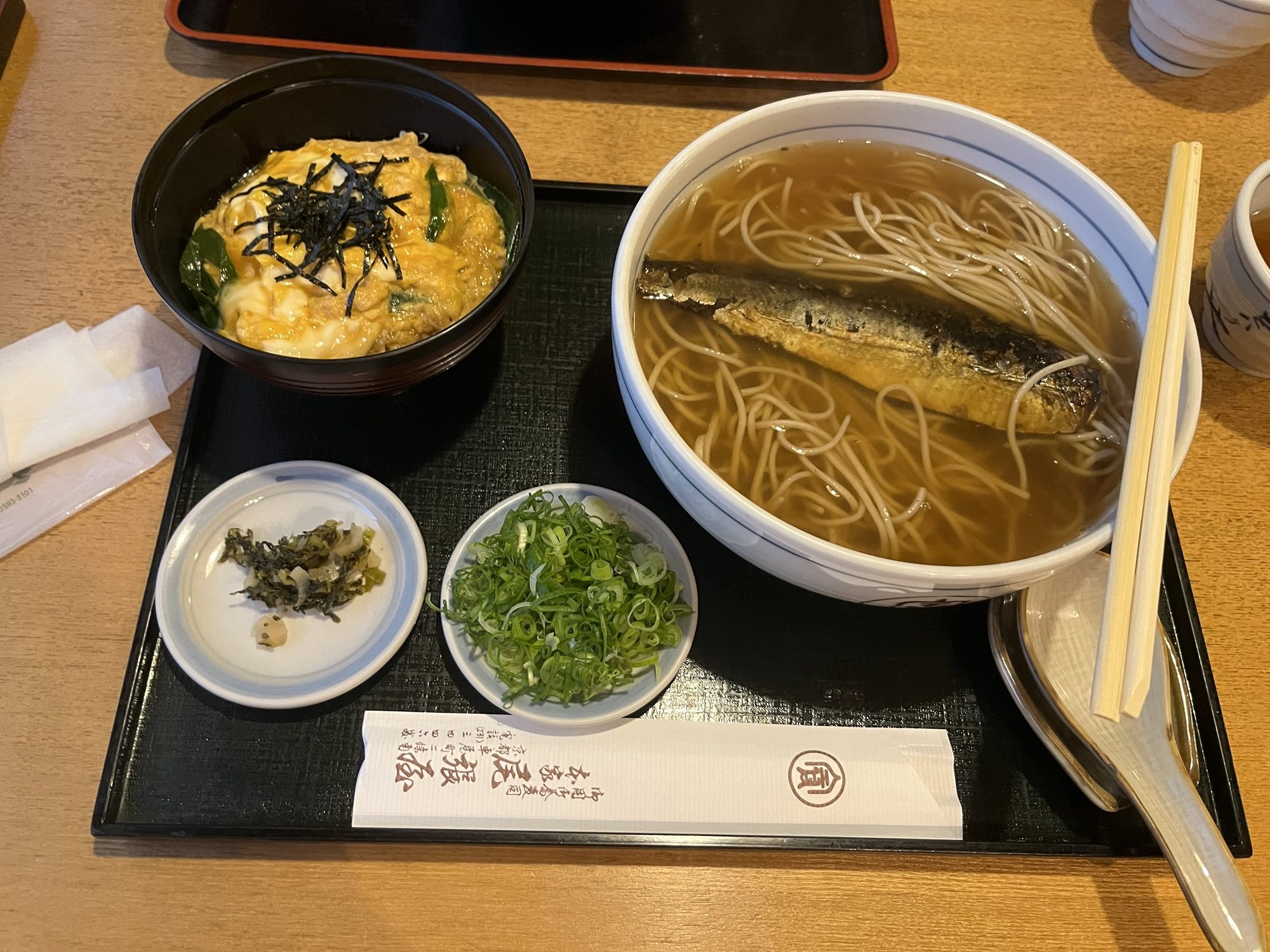

How was the soba? It was good. Was it worth it after standing in the cold for a hundred minutes? Not exactly. Soba is pretty plain, and though I got mine with nishin (a sweetish dried herring, a little reminiscent of smoked salmon), it wasn’t exactly bursting with flavor. Soba with nishin is a classic Kyoto dish, as its distance from the sea necessitated the preservation of seafood in the days before refrigeration. I think Kyoto food, being so steeped in tradition and all, is a little on the bland side.
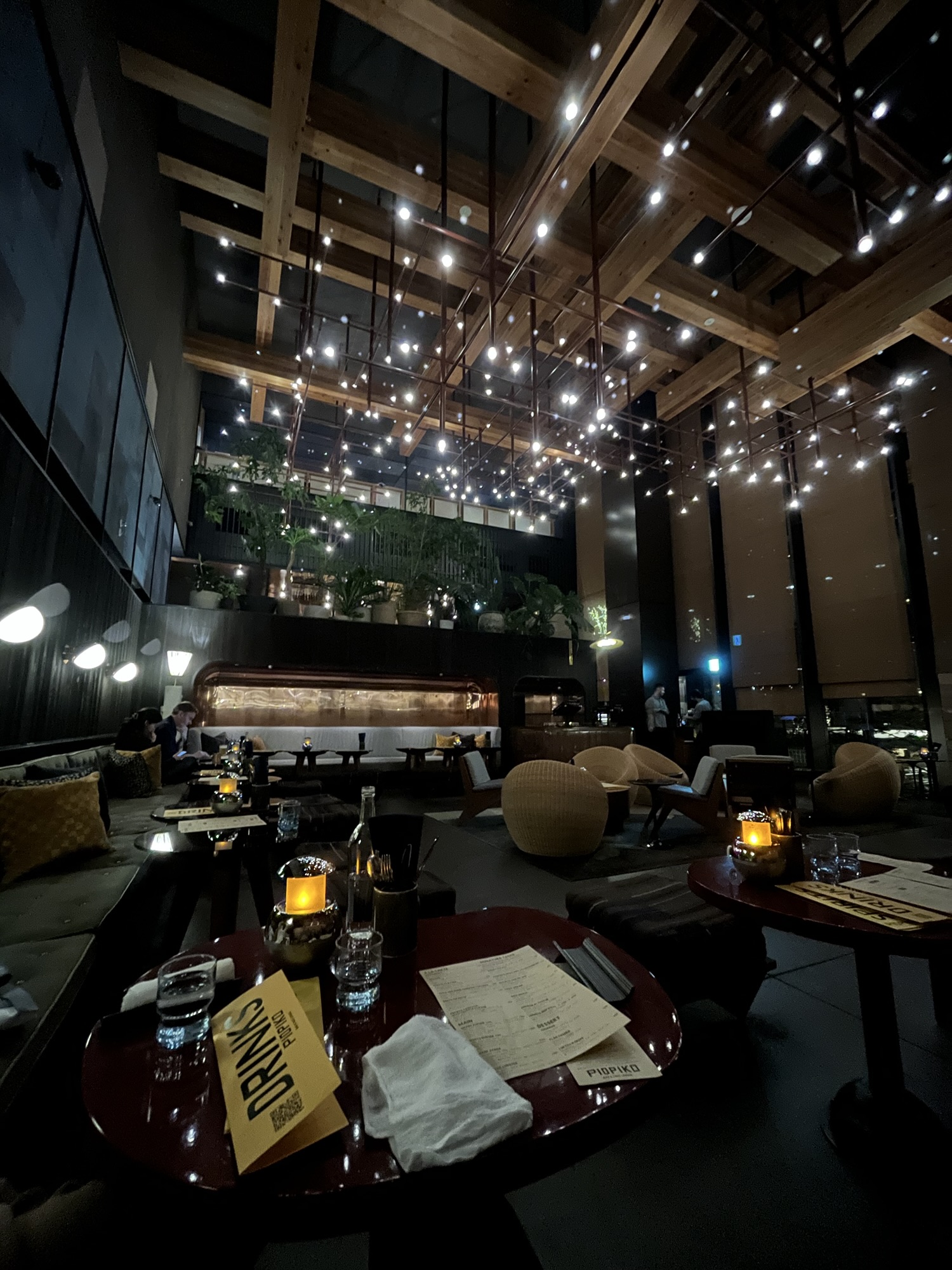
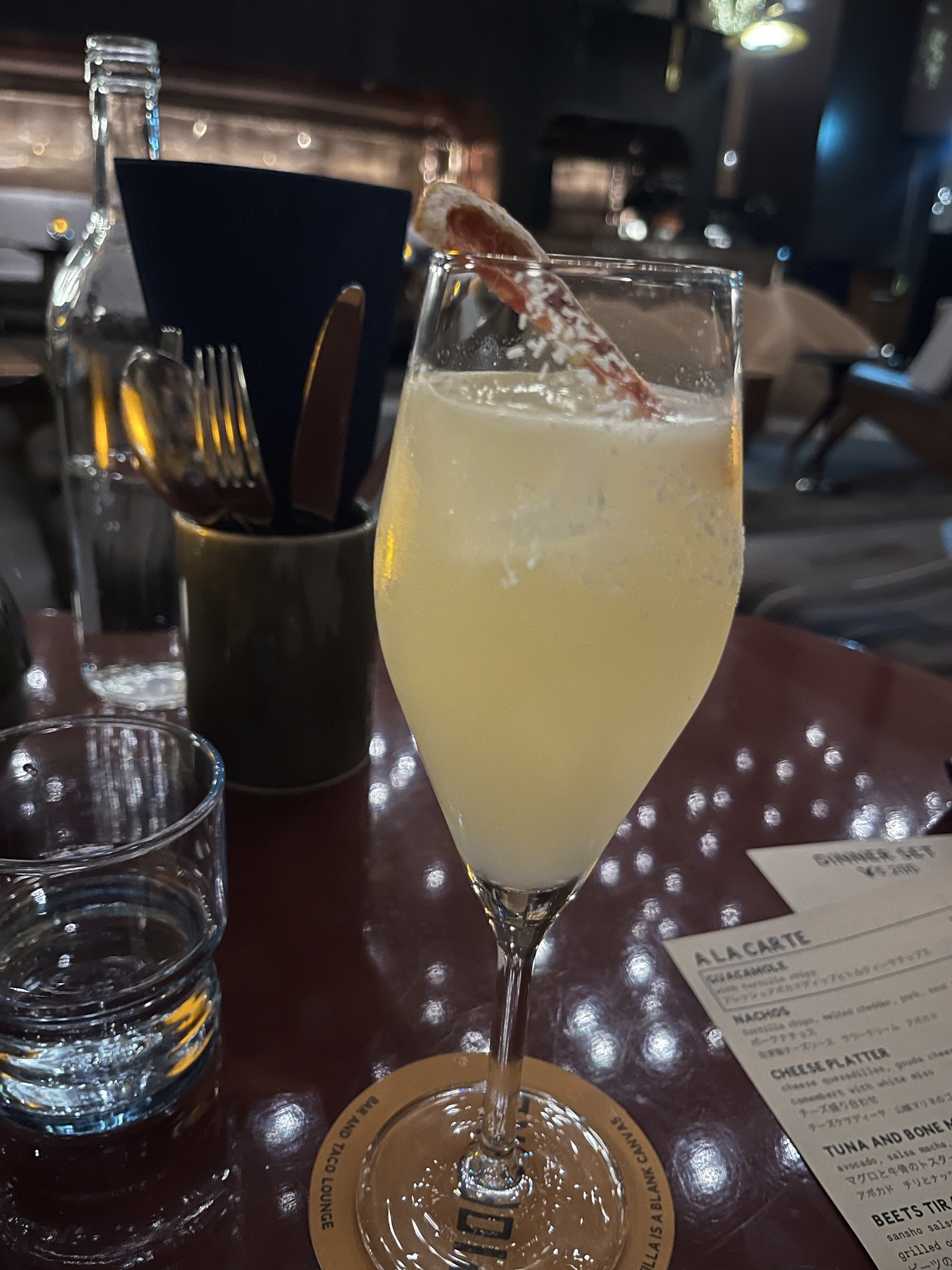
By the time we were done eating, it was nearly 5 o’clock, and after a brief stop at the Kaliedescope Museum, I proclaimed it to be happy hour and lead the charge to a place that promised tacos and cocktails that I had considered defecting to during our long wait in line. Little did I know that this “Mexican bar” was located in a hip and brand new multi-use building centered around a boutique hotel. With its atmospheric lighting and sophisticated vibe, it reminded me of The Nines in Portland, where I illicitly played pool on more than one occasion as a delinquent youth, hoping for a glimpse of a visiting NBA player. This space, the Ace Hotel (where each room comes equipped with a TEAC turntable), did contain a Portland institution: Stumptown Coffee. Ace Hotel is apparently a large chain, as one of their New York locations also contains a Stumptown. Hooray for private equity! I actually haven’t been to a Stumptown Cafe in Portland – having only enjoyed their cold brew sold in grocery stores – so I cannot speak to how widespread this is, but the one in Kyoto features cold brew soft serve! Two of my favorite things combined. Unfortunately, they closed at 7, so I could not sample their wares.

I did sample Piopiko’s Paloma, which at 1700 yen is my most expensive drink to date in Japan (clocking in at just under $11 USD), and enjoyed their music, which included the likes of Madlib and Dee-Lite.
The next morning, we checked out of the strange, broken-down hotel and dumped our luggage in a locker at Kyoto Station.
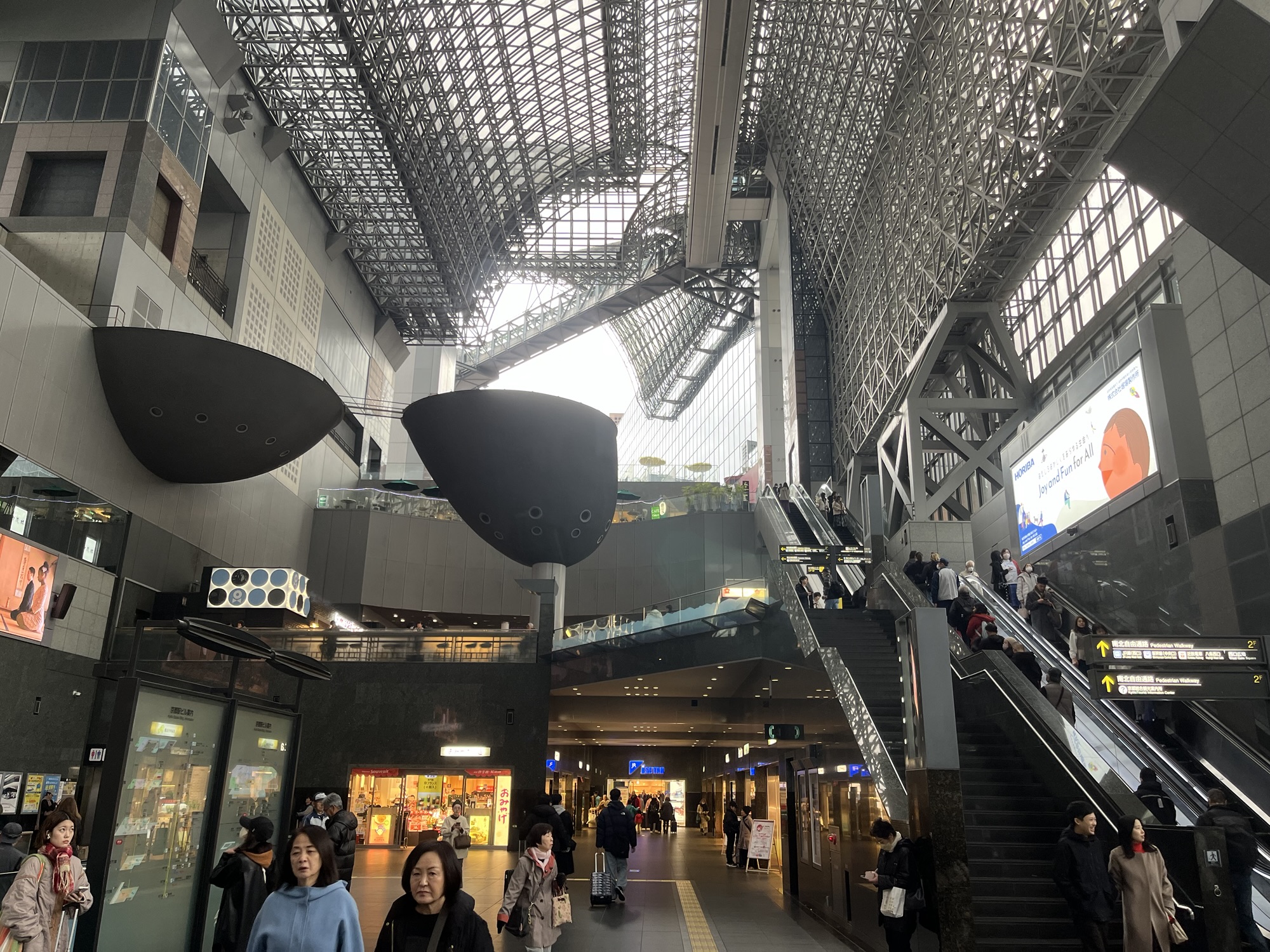
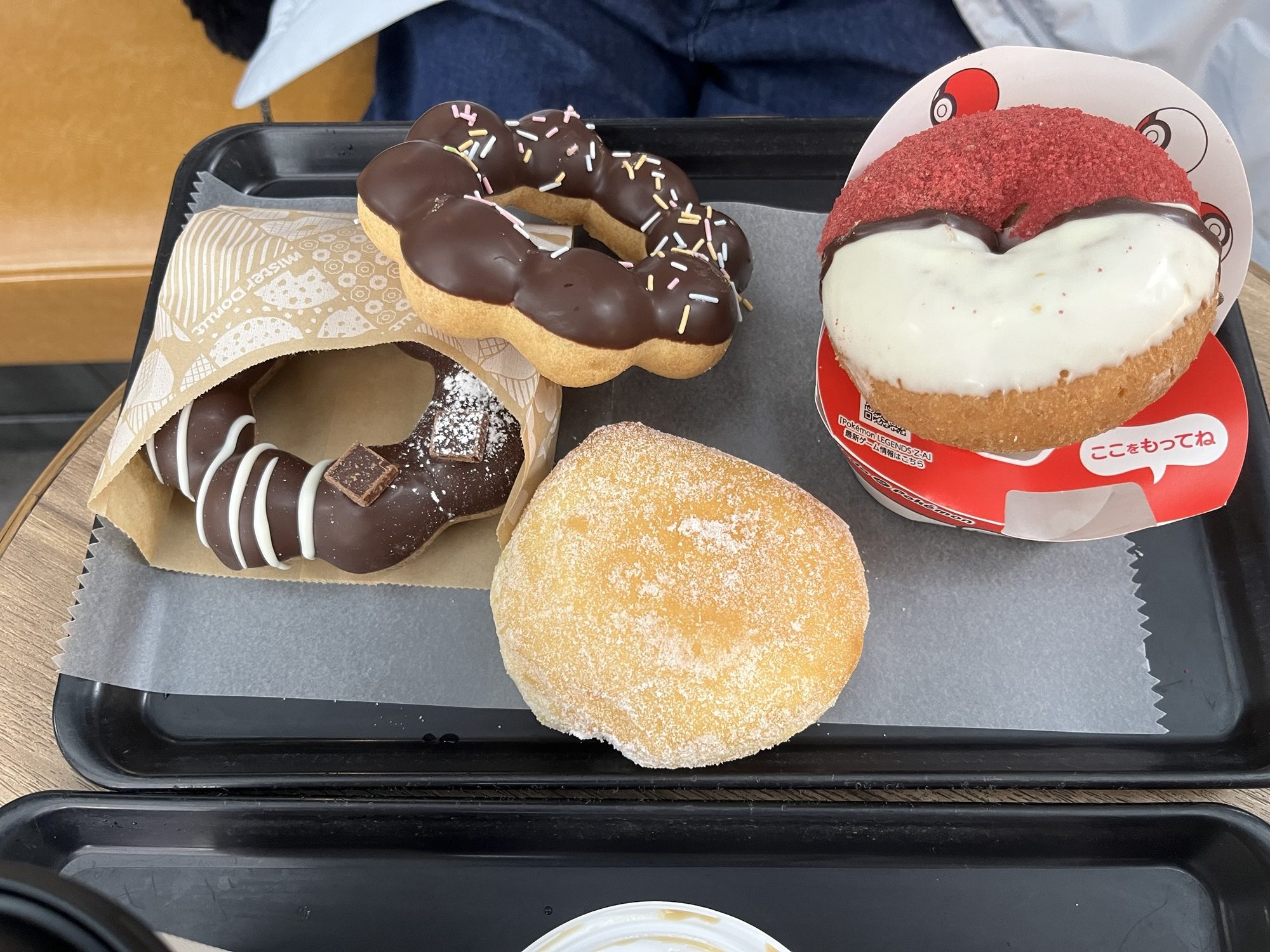
I patronized this Mister Donut a decade prior
With time to spare, we stepped off the platform at Fushimi-Inari, intending to visit the famous shrines where a path lined with hundreds of tori gates snakes up a mountainside. Unfortunately, so was every other foreigner on the train, and when I saw the traffic jam at the train turnstile, I balked. Bobo suggested that we instead visit the Mausoleum of the Emperor Meiji, located just two more train stops south. For the seismic role that he played in the history of Japan, his tomb is without much fanfare, tucked away in a quiet park.

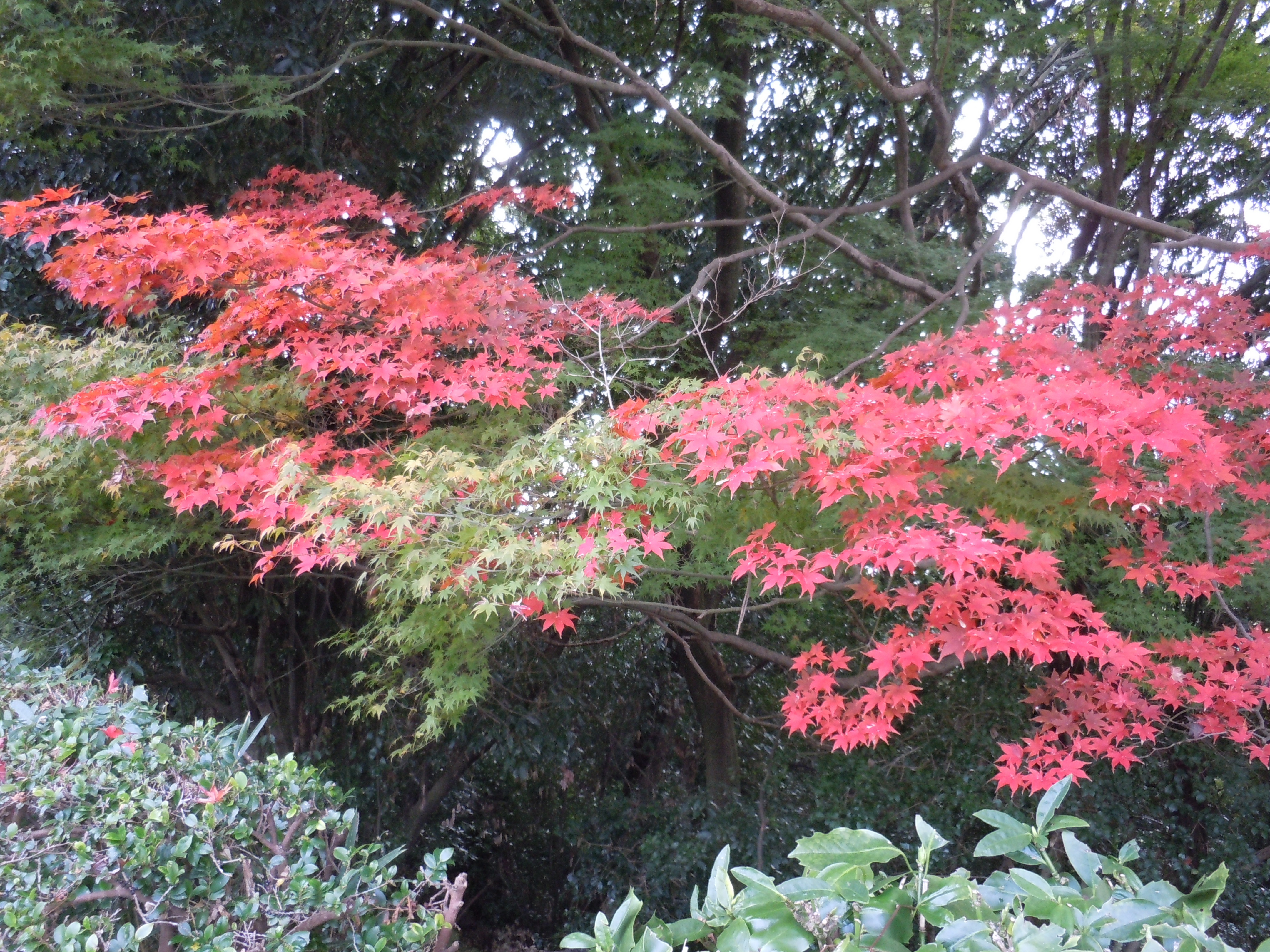
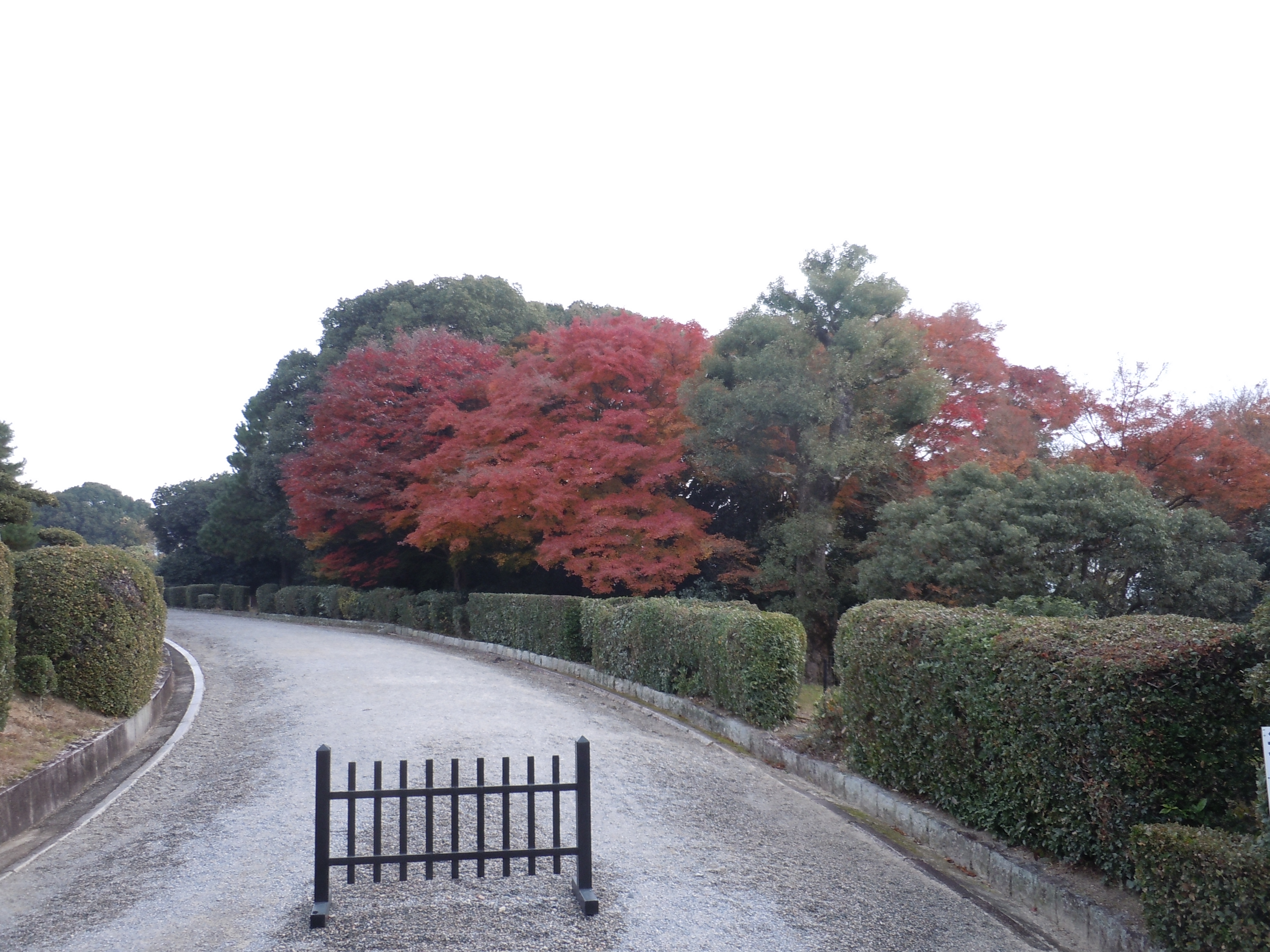
Broke out the digicam to capture the momiji (red leaves) – even though it’s December, it’s not winter quite yet
There’s no little museum, just an office where some disinterested workers handed us a pamphlet when we came searching for more information. It’s austere, I suppose.
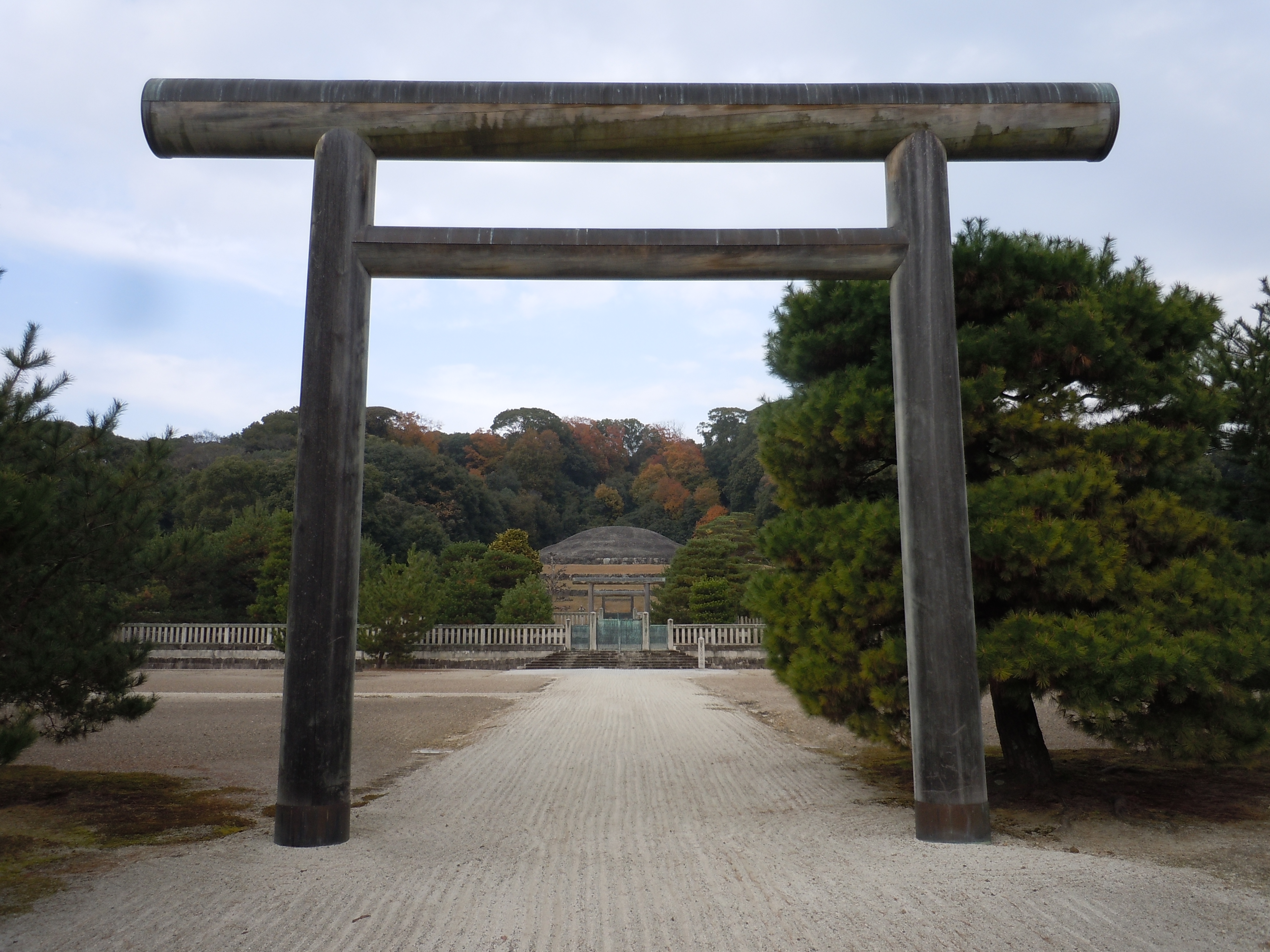


I shy away from “Great Man History” but there’s no denying that when Emperor Meiji was born, Japan was a feudal, isolationist state ruled by a warlord (the Tokugawa Shogunate), and when he died, Japan had become a modern, industrialized world power with an empire of their own that had defeated a traditional European power (Russia) in combat. Was he a system emperor? Coming up next, after the break.
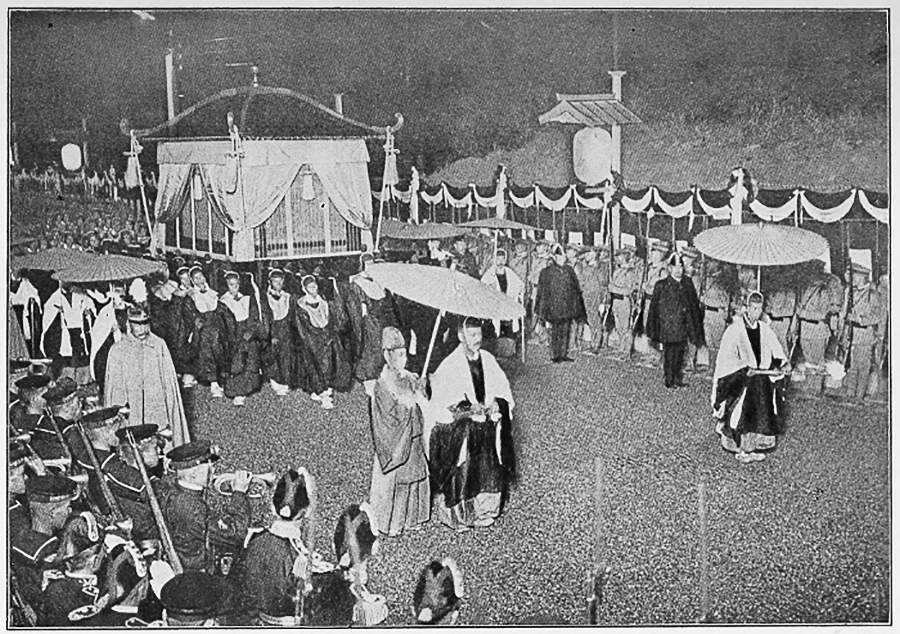
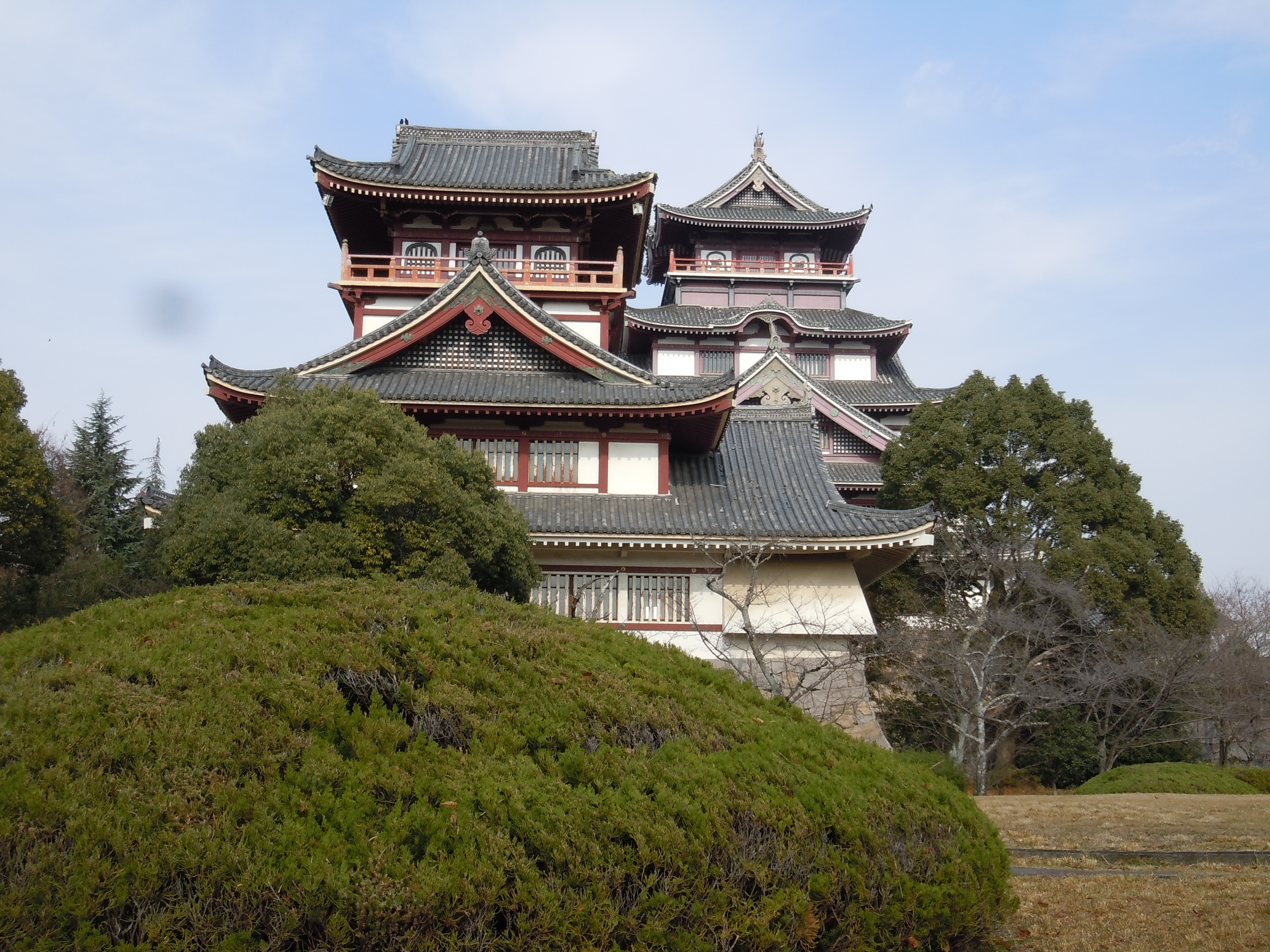
Right next door is the Fushimi-Momoyama Castle. Originally constructed in 1594 as a retirement palace for Toyotomi Hideyoshi, an important samurai and daimyo (feudal lord). Once the site of some important battles, it was dismantled in 1623 and its materials repurposed for temples and castles across Japan. The current structure is (like Kinkaku-ji) a replica, built mostly of concrete in 1964, which is somewhat disappointing. In fact, so many castles in Japan are replicas that there are only a dozen “original” castles (meaning the main keep is intact and has been standing since around the Edo Period), two of which are in Ehime Prefecture. Represent!
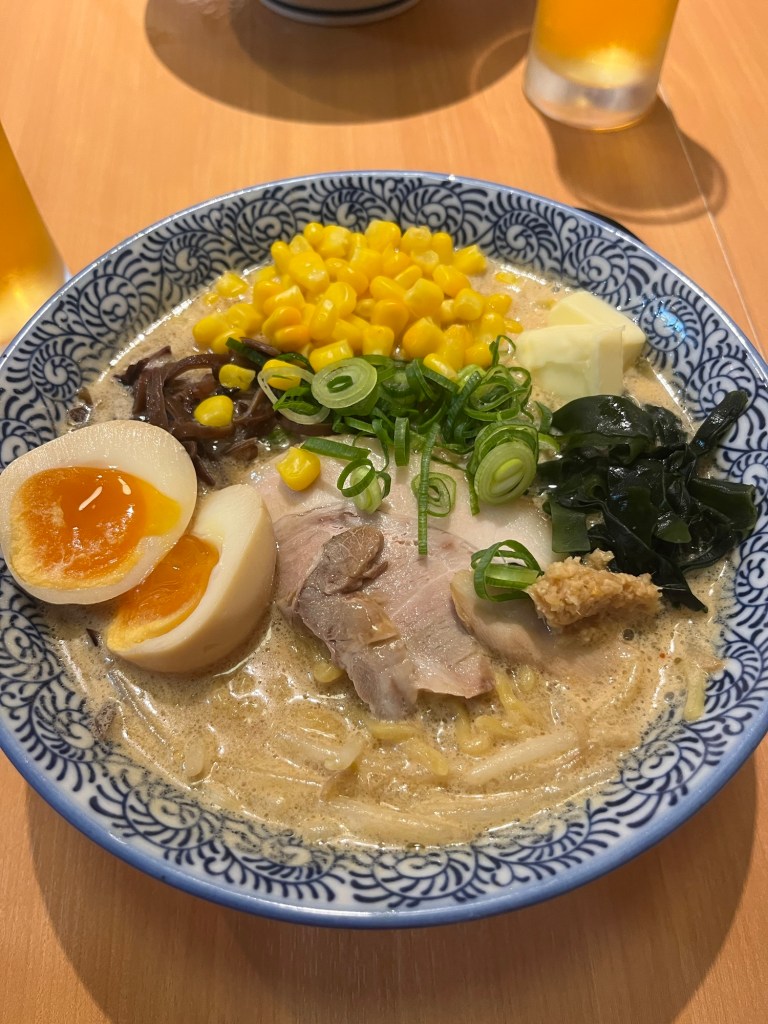
For lunch we returned to Kyoto Station, where on the 10th floor you can eat any one of a wide variety of regional ramens, from the wantanmen (wonton ramen) of Yamagata to the funky Hakata pork bone broth of Fukuoka (I am disappointed in my 15 year old stuff for neglecting his blog during his 5 weeks there, as somehow he only wrote about a cake from a department store and a Coca-Cola energy drink).

We opted for the miso ramen of Sapporo, accented by butter and corn.
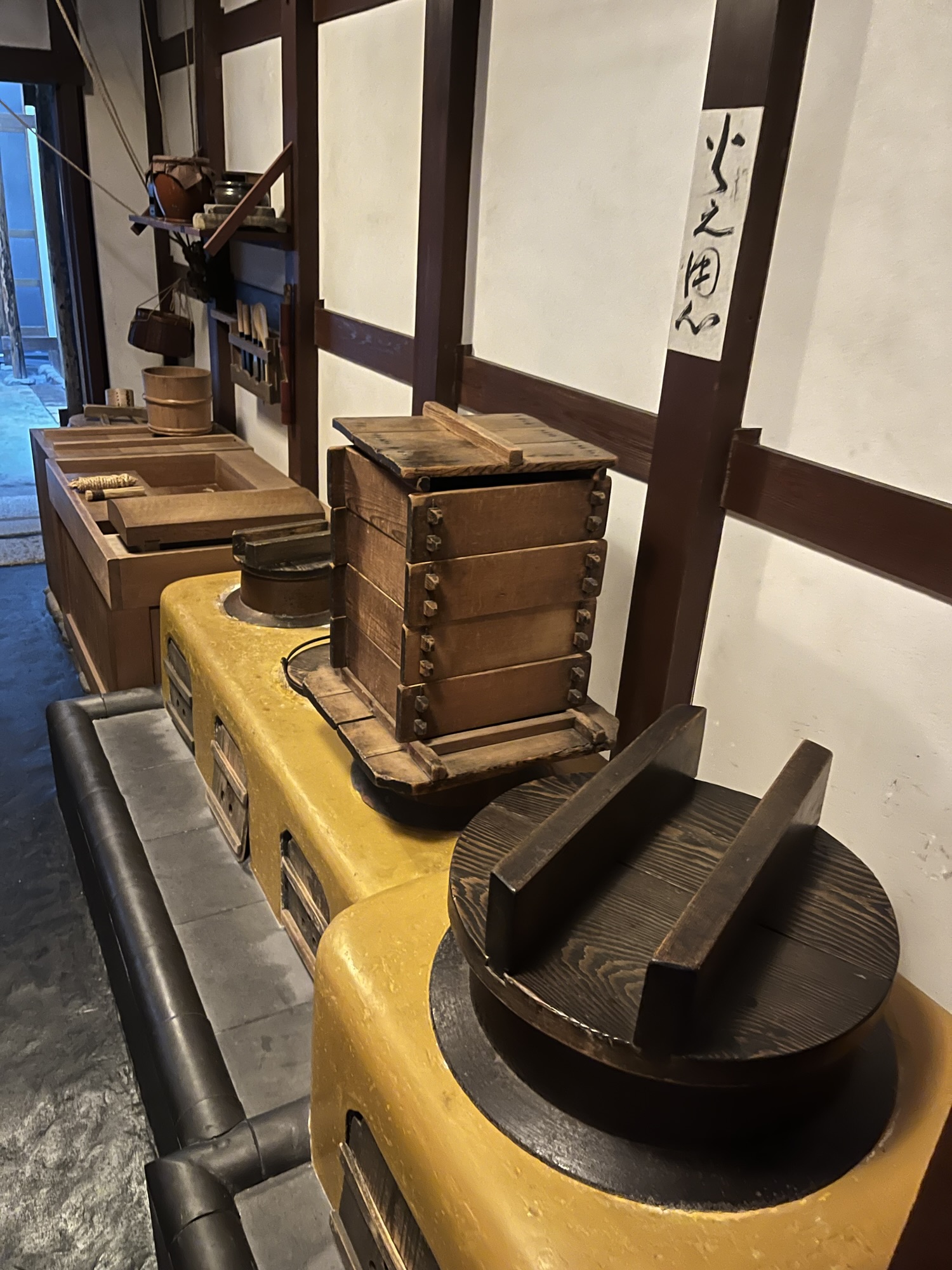
With that, we bade farewell to Kyoto and hopped on the train to Osaka. After dropping our stuff at the hotel, we headed to the Osaka Museum of Housing and Living. To balance out our Great Man history expedition – the trip to the imperial tomb – I had to see what life was like for the average Osakan in the Tenpo Era (a time of chaos marked by famine, strife, and natural disasters from 1830 to 1844). To do this, the museum painstakingly recreated what a typical street in Osaka was like, complete with buildings you can walk into and rooms with lots of details. You can even rent a kimono if you’re into that. It felt more like a historical-type theme park, with different shops, large houses for the rich and small tenements for the poor, and different types of toilets.

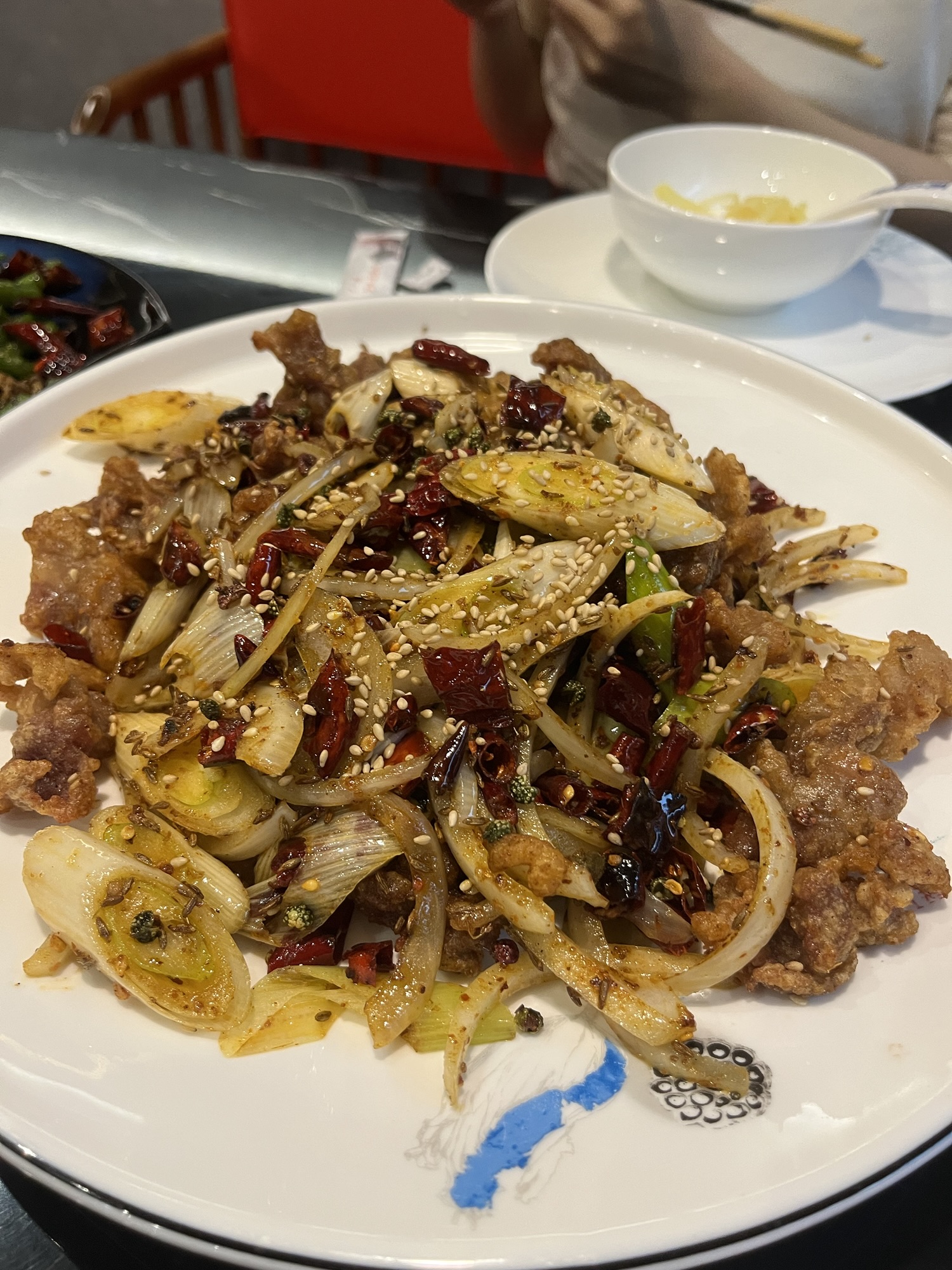
Blessed as I was to be accompanied by someone from the glorious People’s Republic of China, I insisted that we dine on authentic Sichuan fare. Bobo took me to the most random restaurant on the second floor of a filthy building behind a drug store. To exemplify this, the bathroom – which you’re going to want to locate before eating Sichuan food – had a security access code, a practice while common in the States is exceedingly rare in Japan. When we walked in, there was one middle aged Chinese dude ripping cigs at a table and seemingly no one else. Nevertheless, we sat, and Bobo ordered stir-fried green beans and shredded potatoes to accompany the centerpiece of lamb with cumin. The restaurant filled up around us, with most people ordering the famous poached fish that I had in Osaka (and saw everywhere in Singapore).


Two different bars were patronized this evening. The first was tucked away above a parking garage, and you had to climb a rickety, rusty spiral ladder to access it.


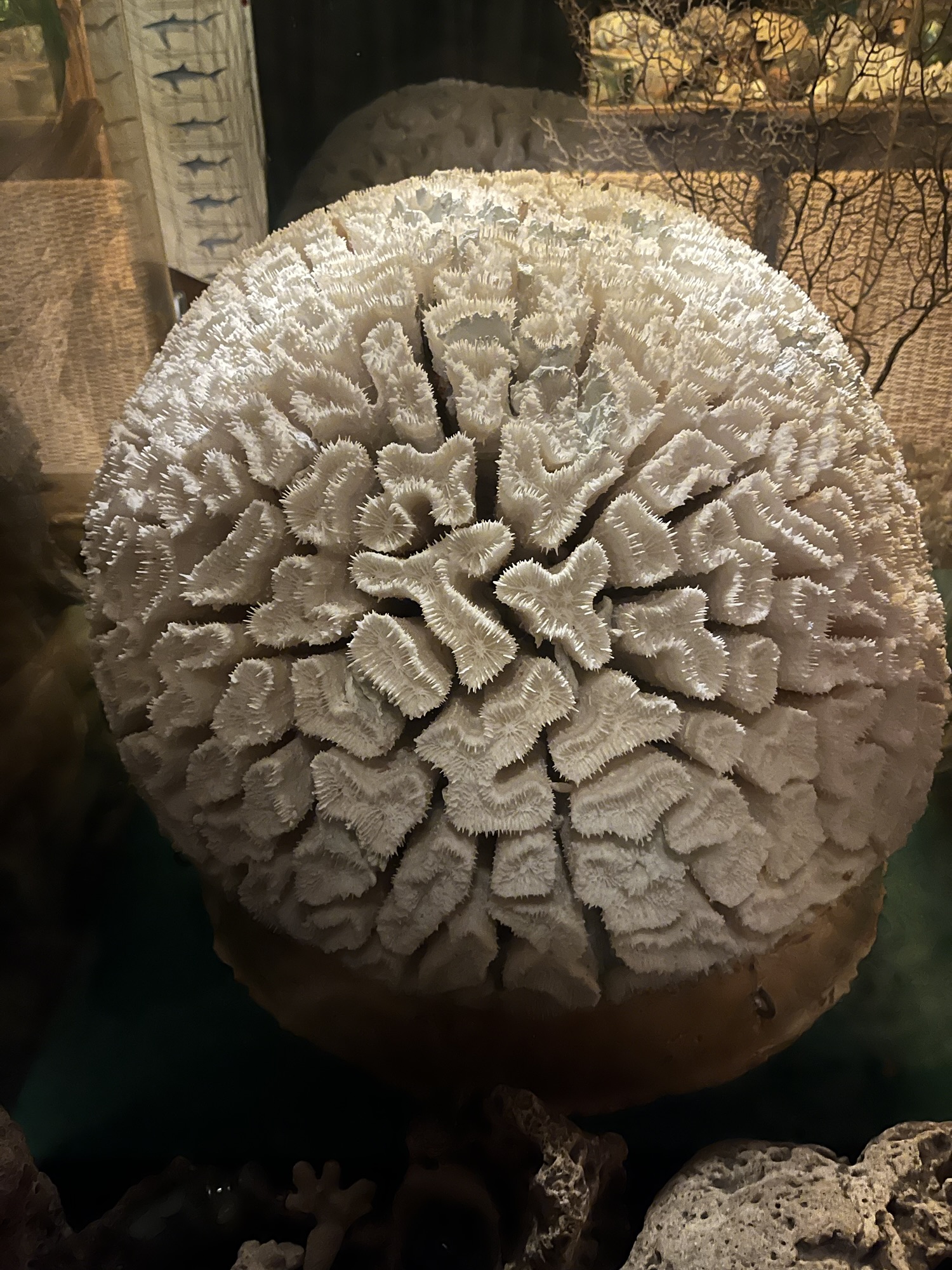
Pictures don’t do it justice, but every inch of this small bar was covered in maritime memorabilia

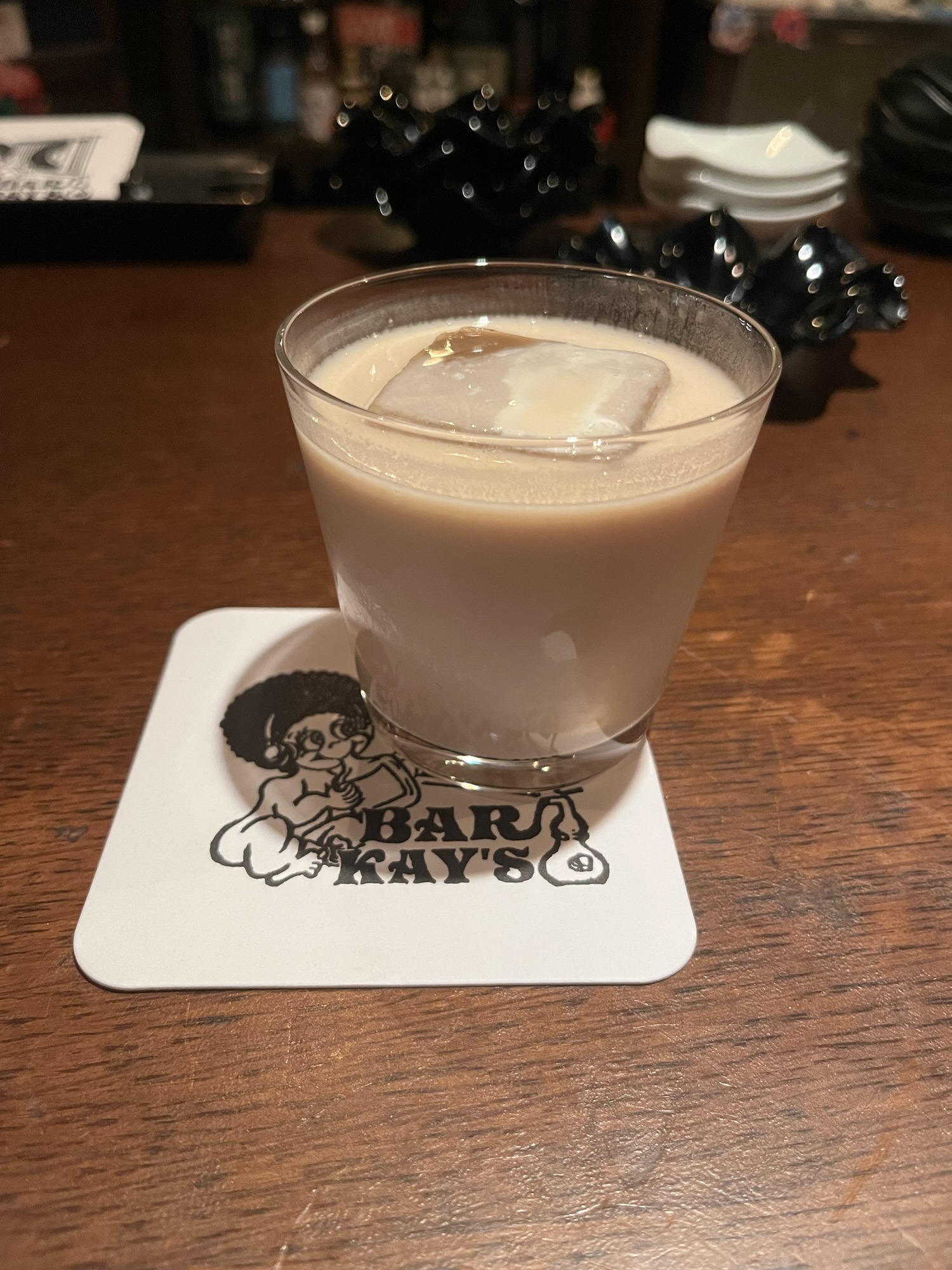
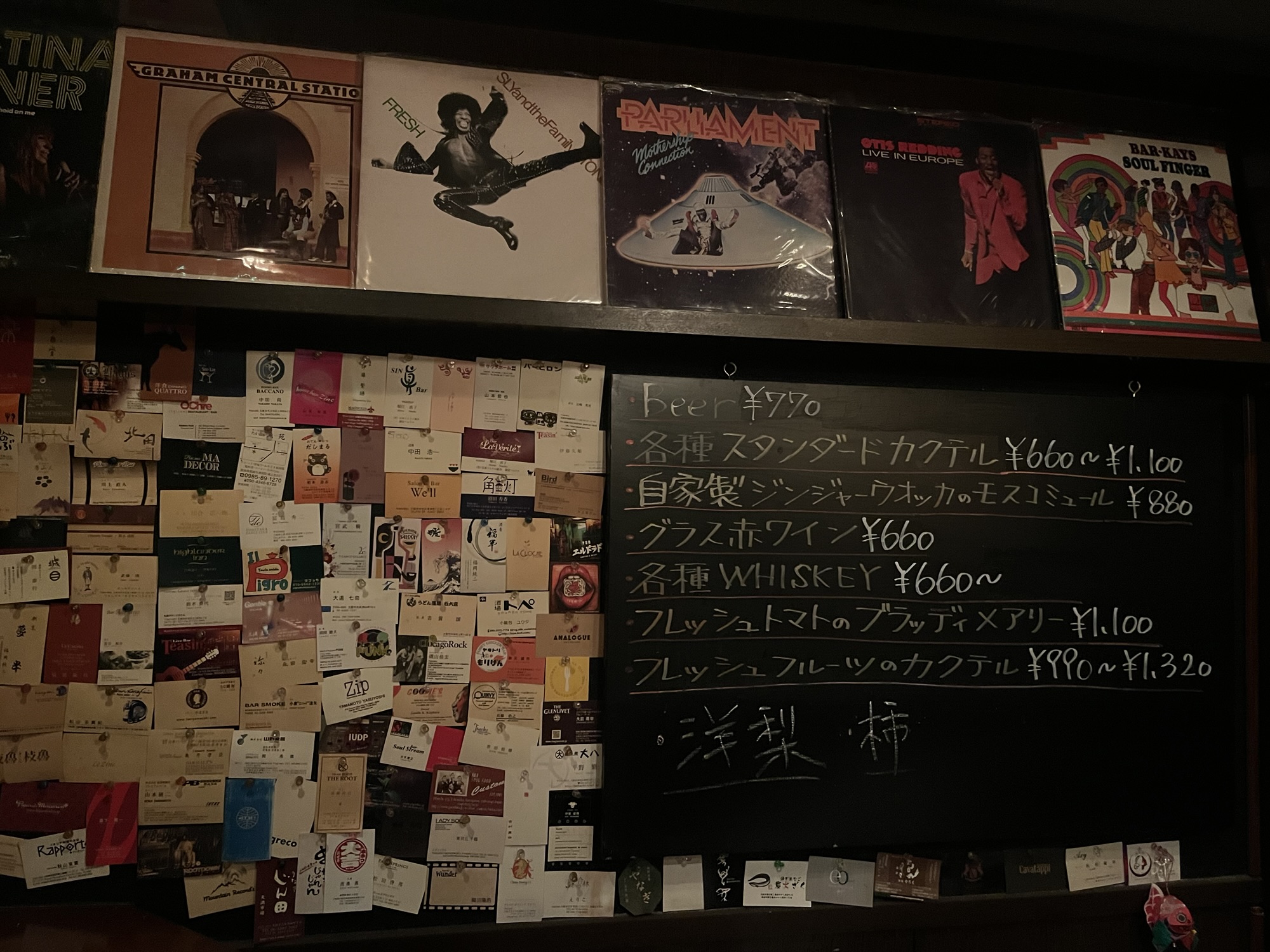
I tapped into my inner Dude at this 70s funk-themed vinyl bar
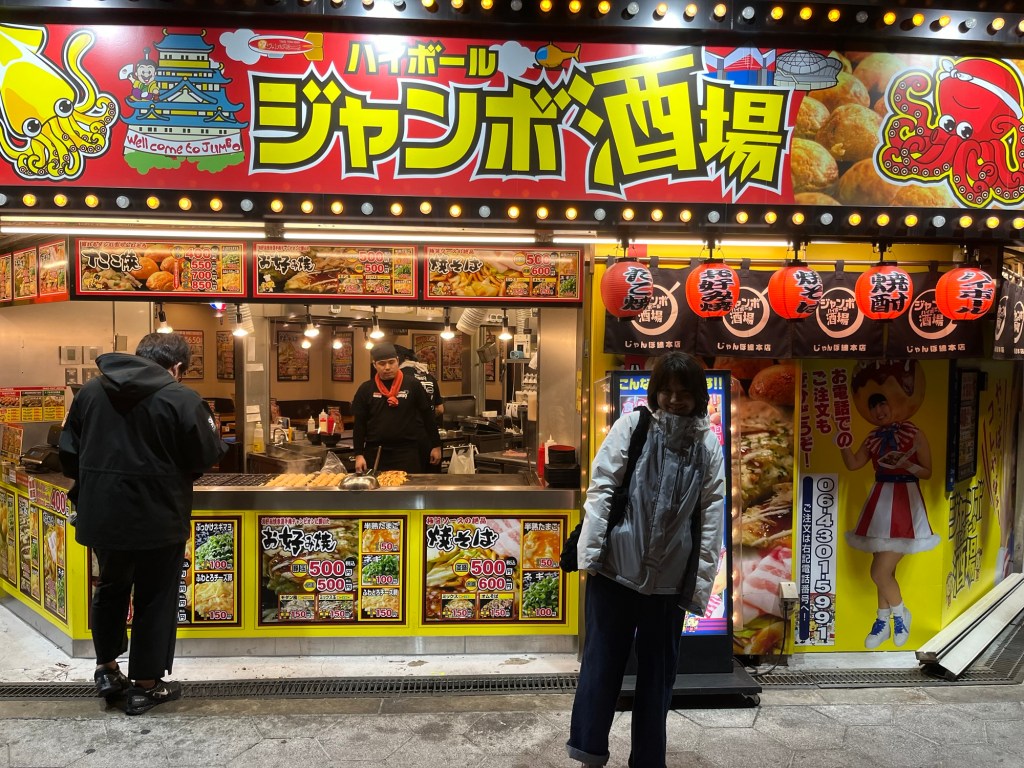
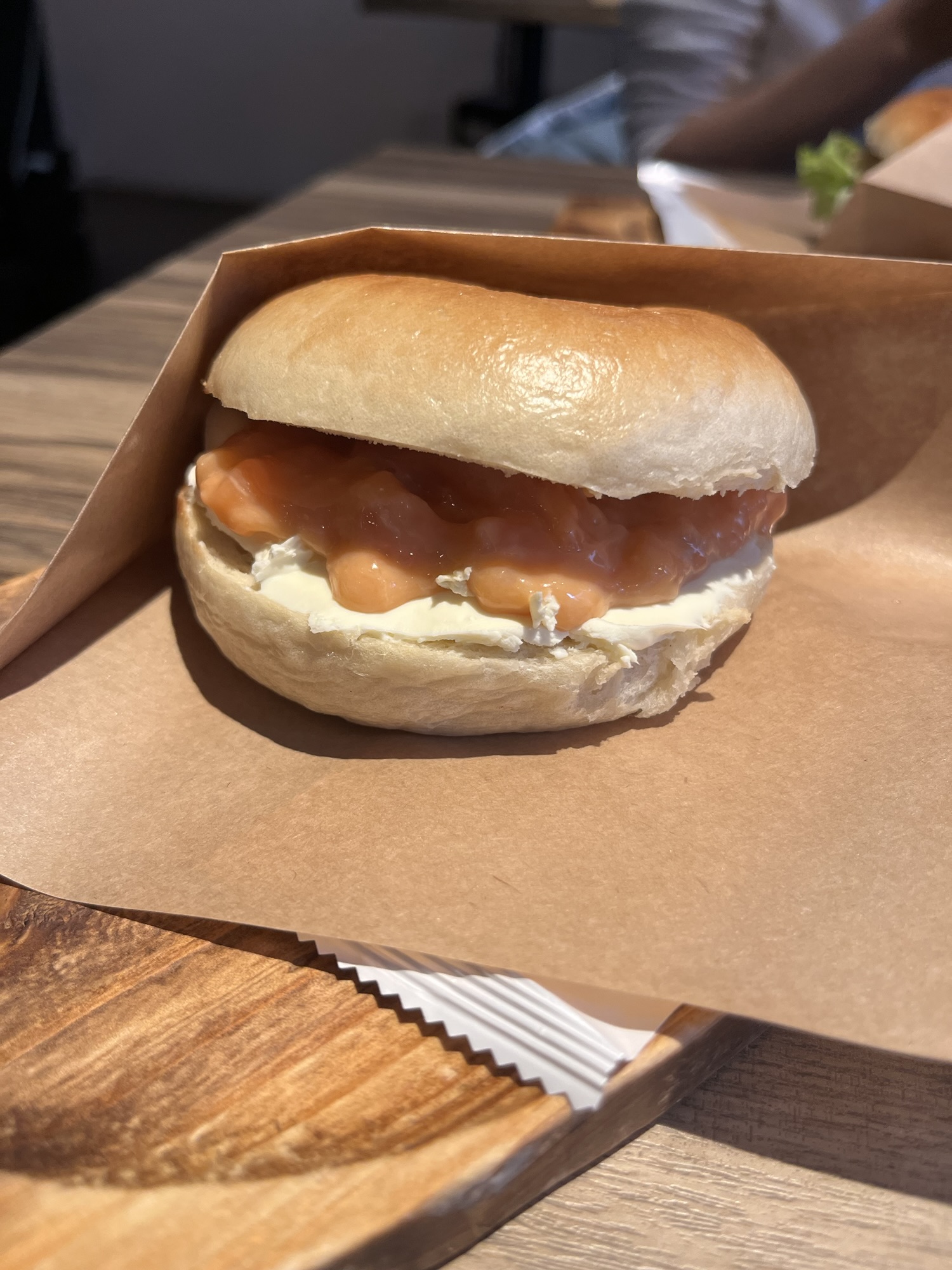
The next morning, I wanted a bagel. I was sorely disappointed by what I found, a squishy roll-with-a-hole with cream cheese, salmon, and some sort of weird ikura goop that seemed more like fishing bait than food for humans. Forgive my strong language, but this thing was fucking gross.

To make up for it, I immediately sought a palate cleanser in the form of one of my favorite things: an Italian sandwich, or sanguich to us paisans.

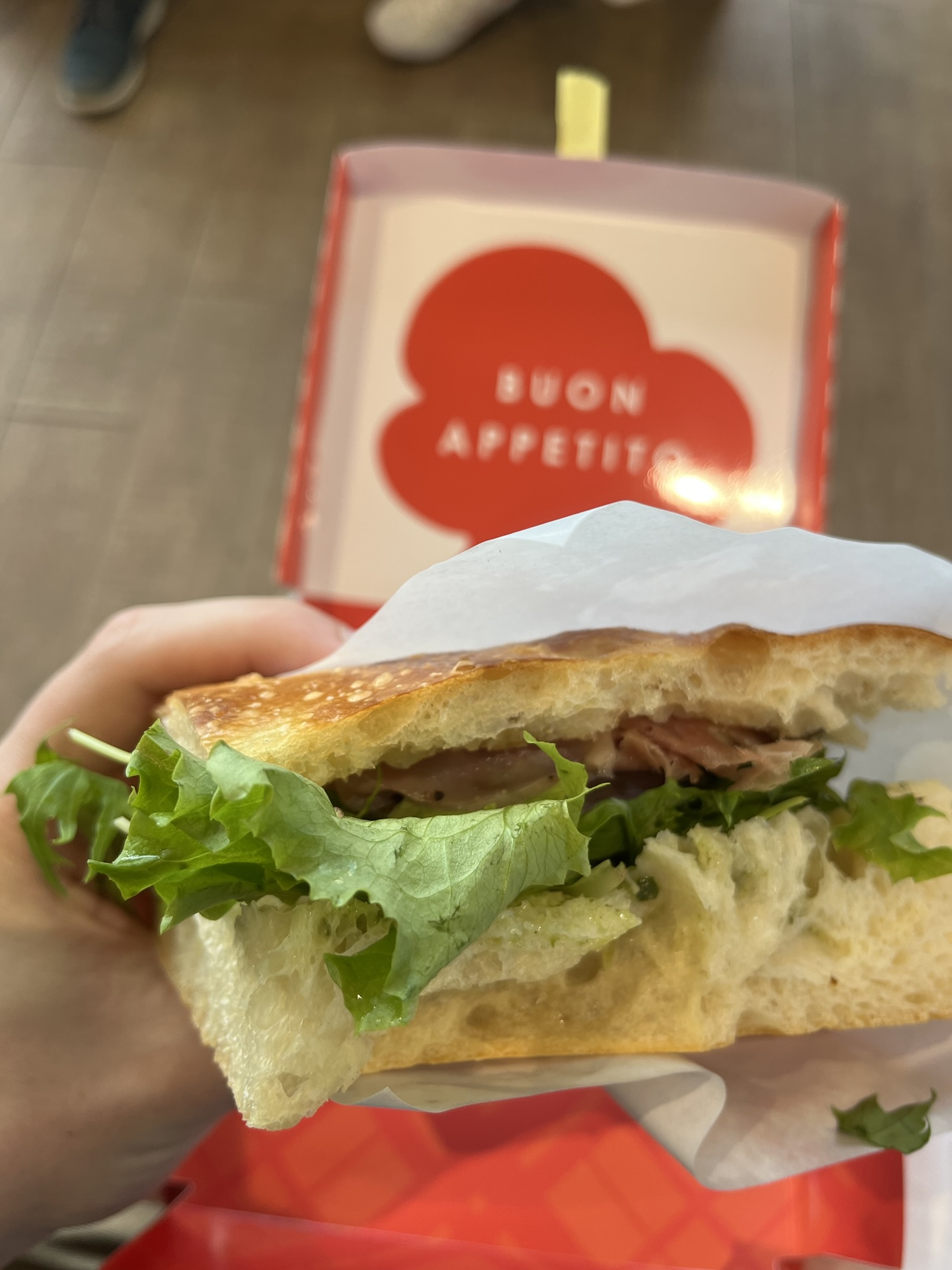
Cured meat, mozzarella, and fresh vegetables sandwiched in between focaccia: what’s better than that? The answer is absolutely nothing. On to the aquarium.
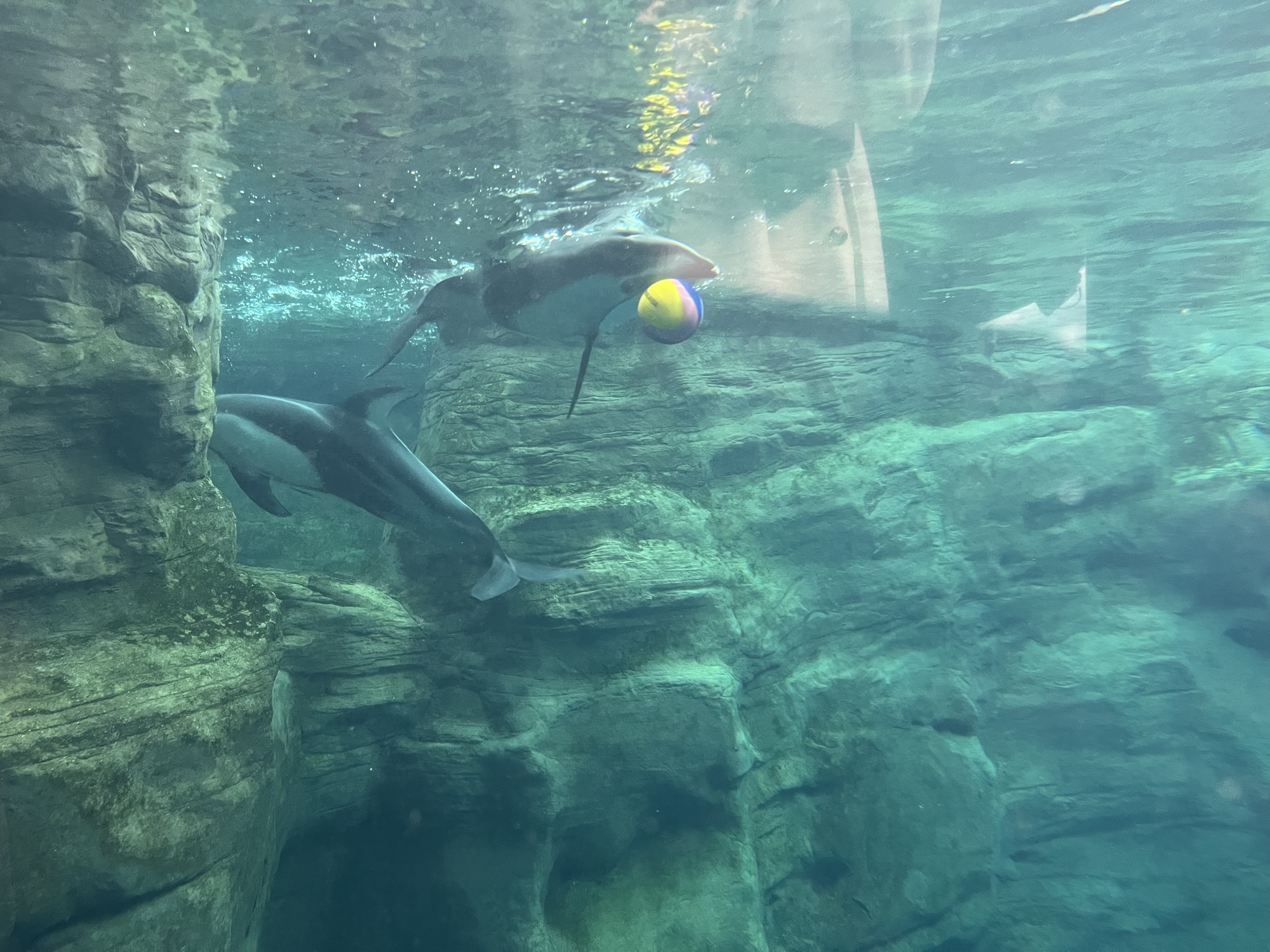

This dolphin’s burst and ambidexterity remind me of Spurs rookie guard Dylan Harper. If the Spurs collect three straight Rookie-of-the-Year awards (never been done before), Yang Hansen actually needs to be Chinese Jokic for the Blazers to be competitive for the next decade in the stacked Western Conference.
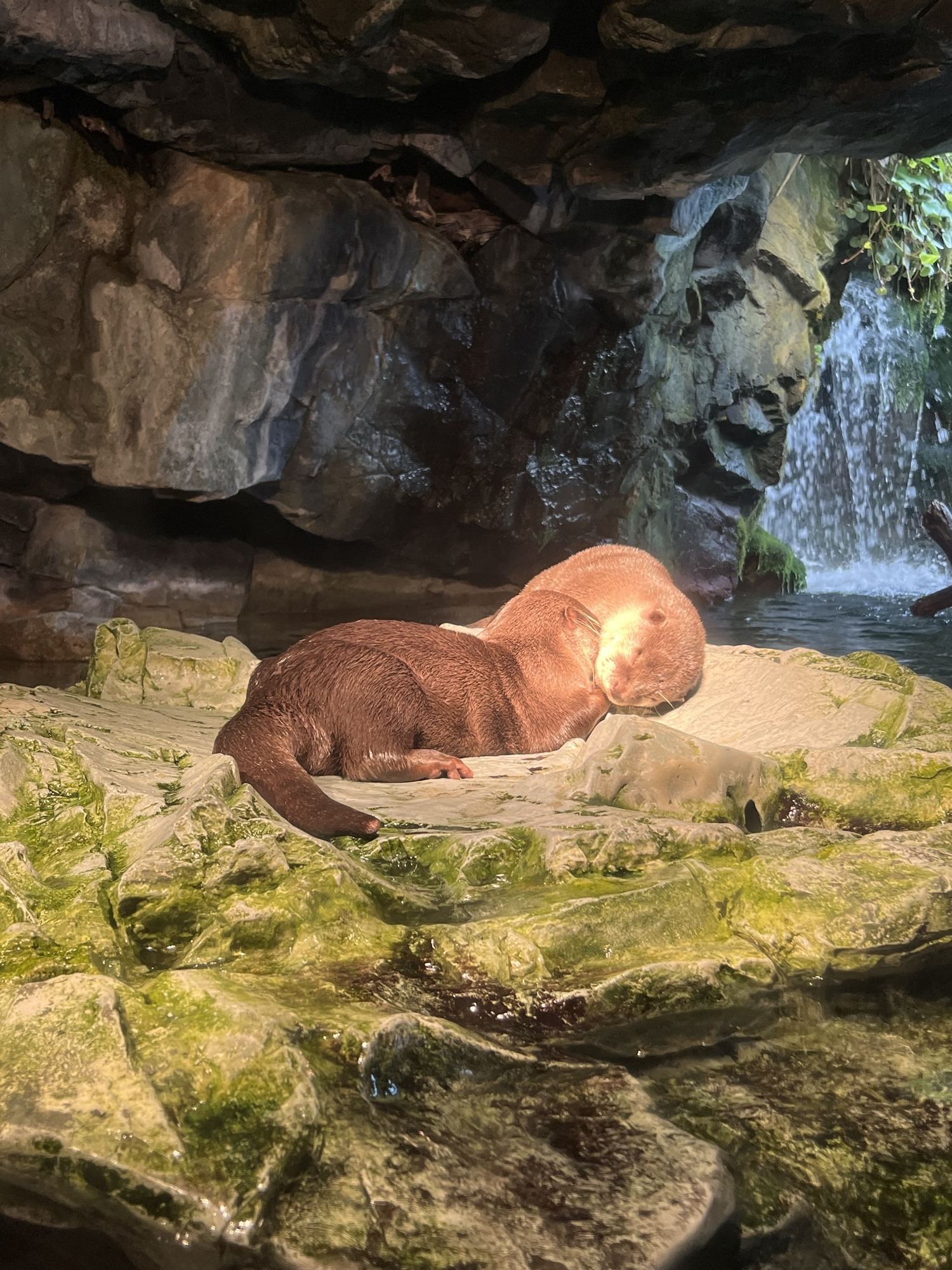
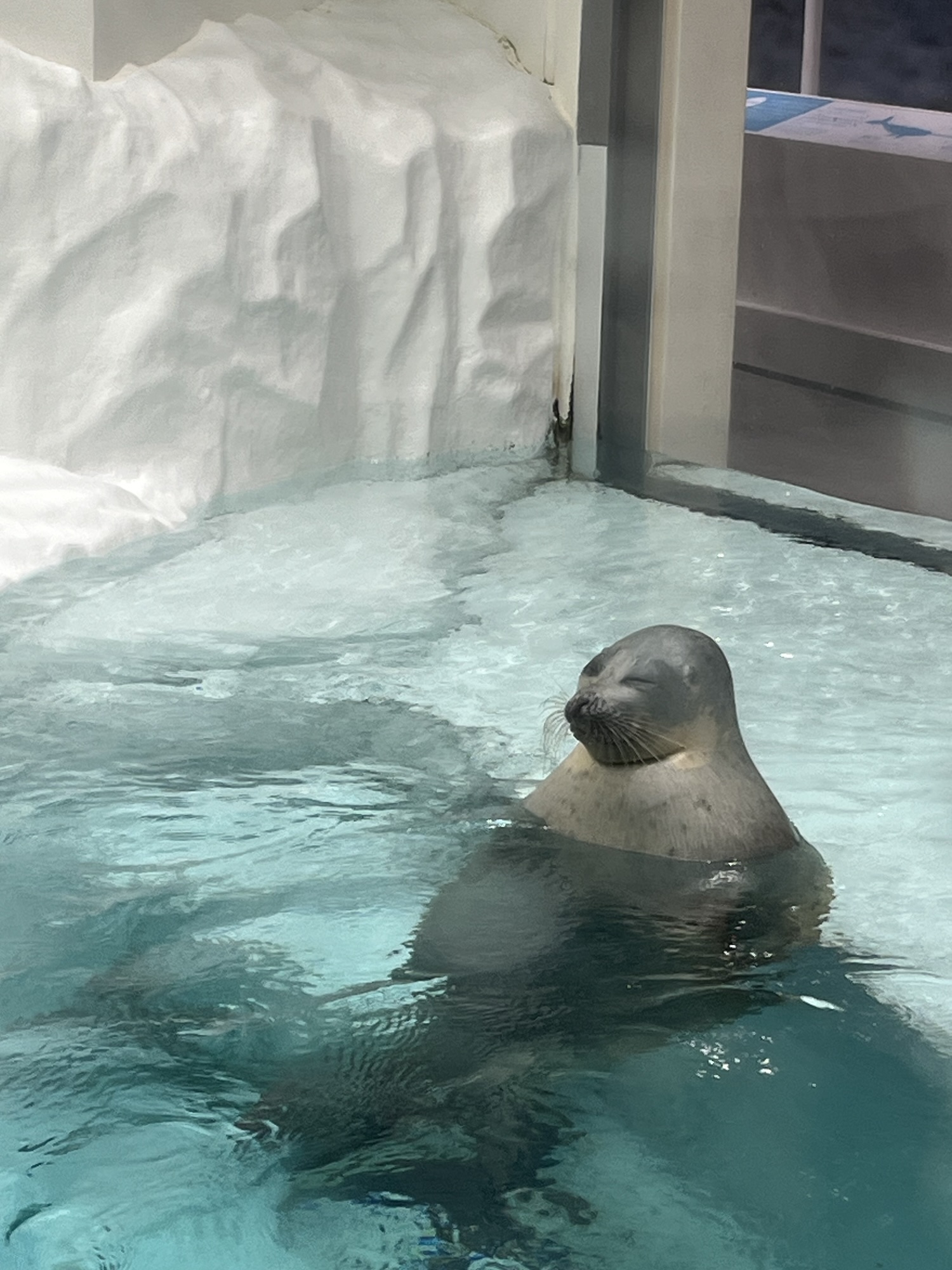
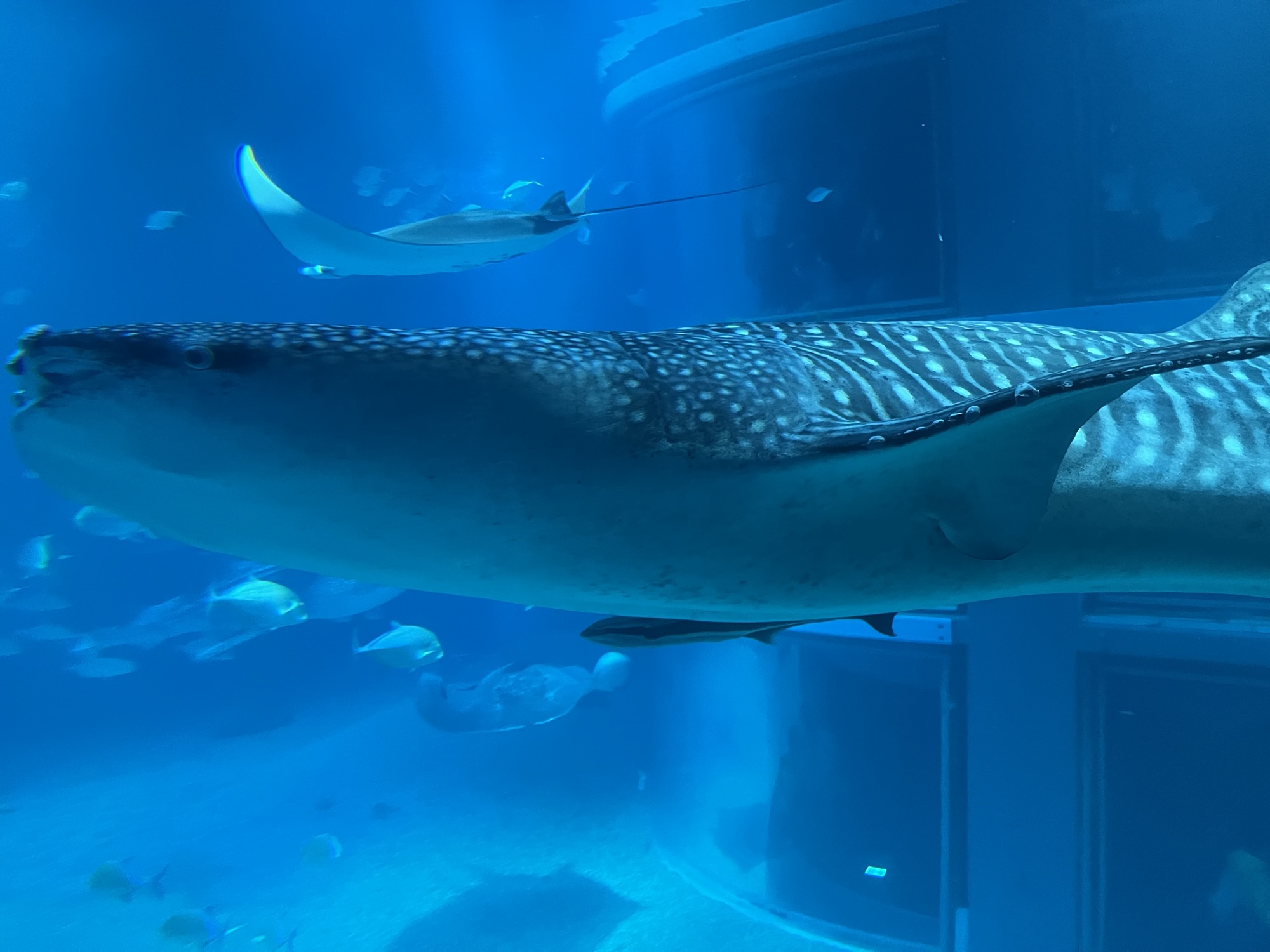
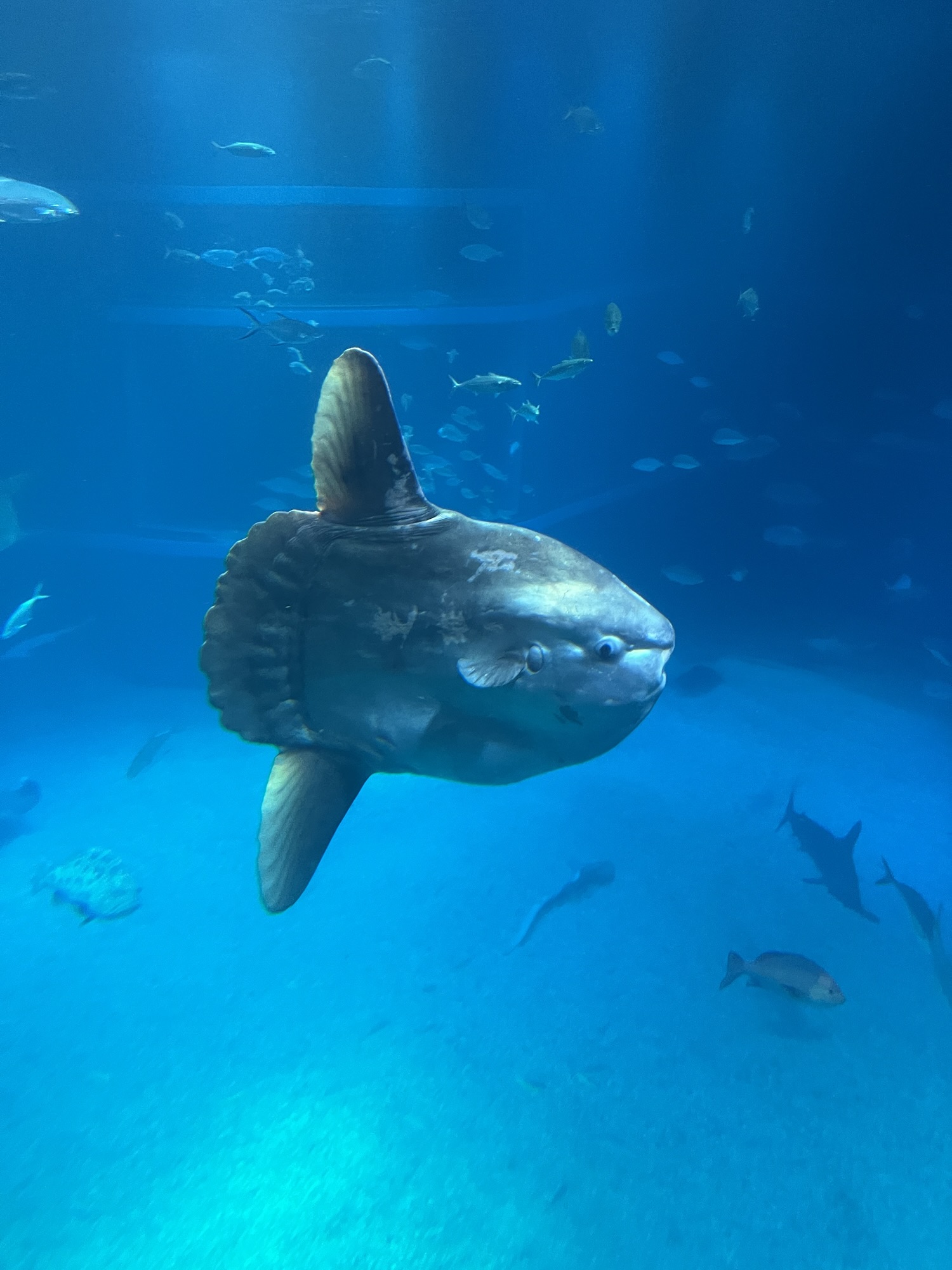
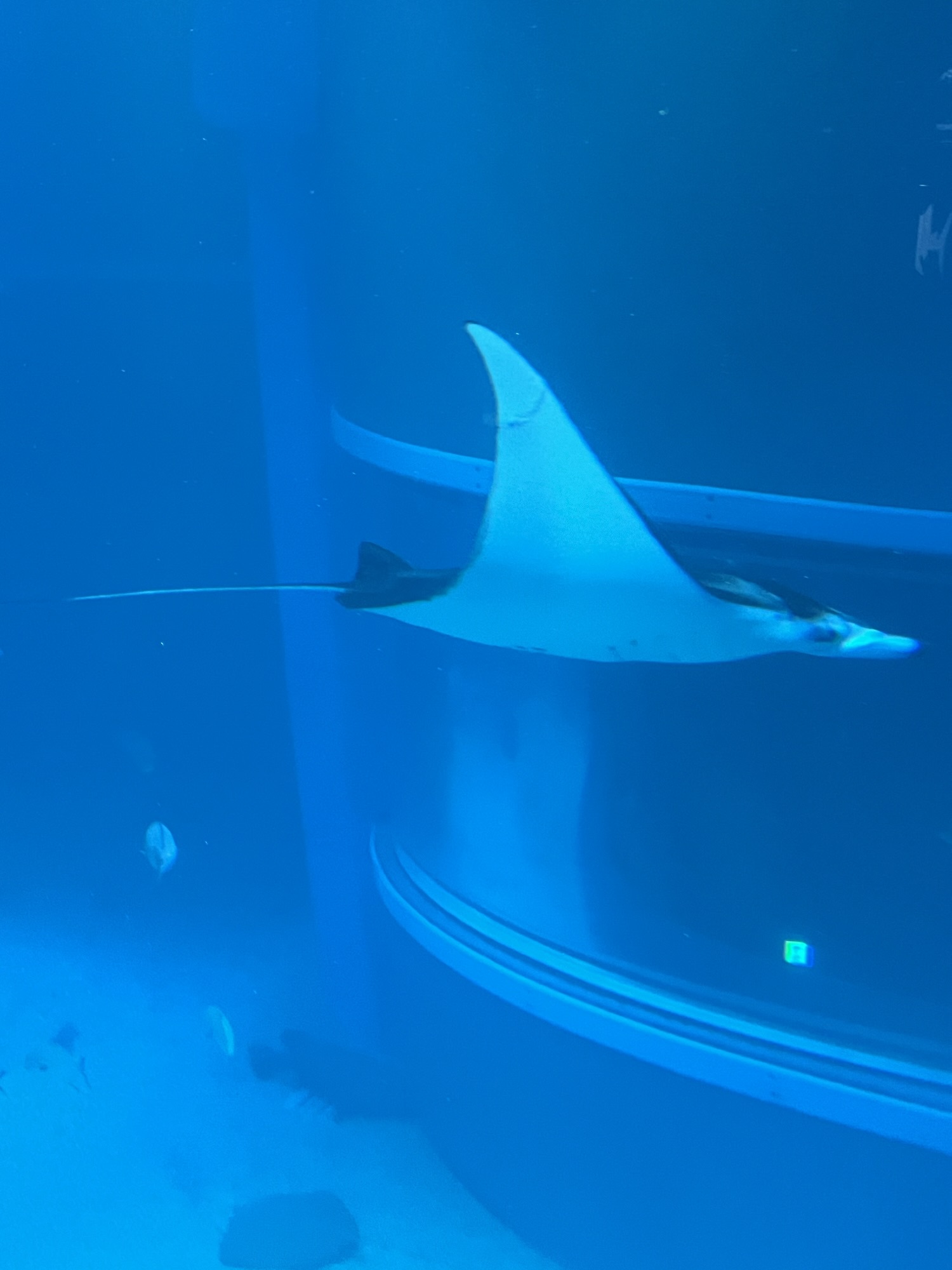
This aquarium is awesome. For whatever reason, aquariums feel less sad than zoos.
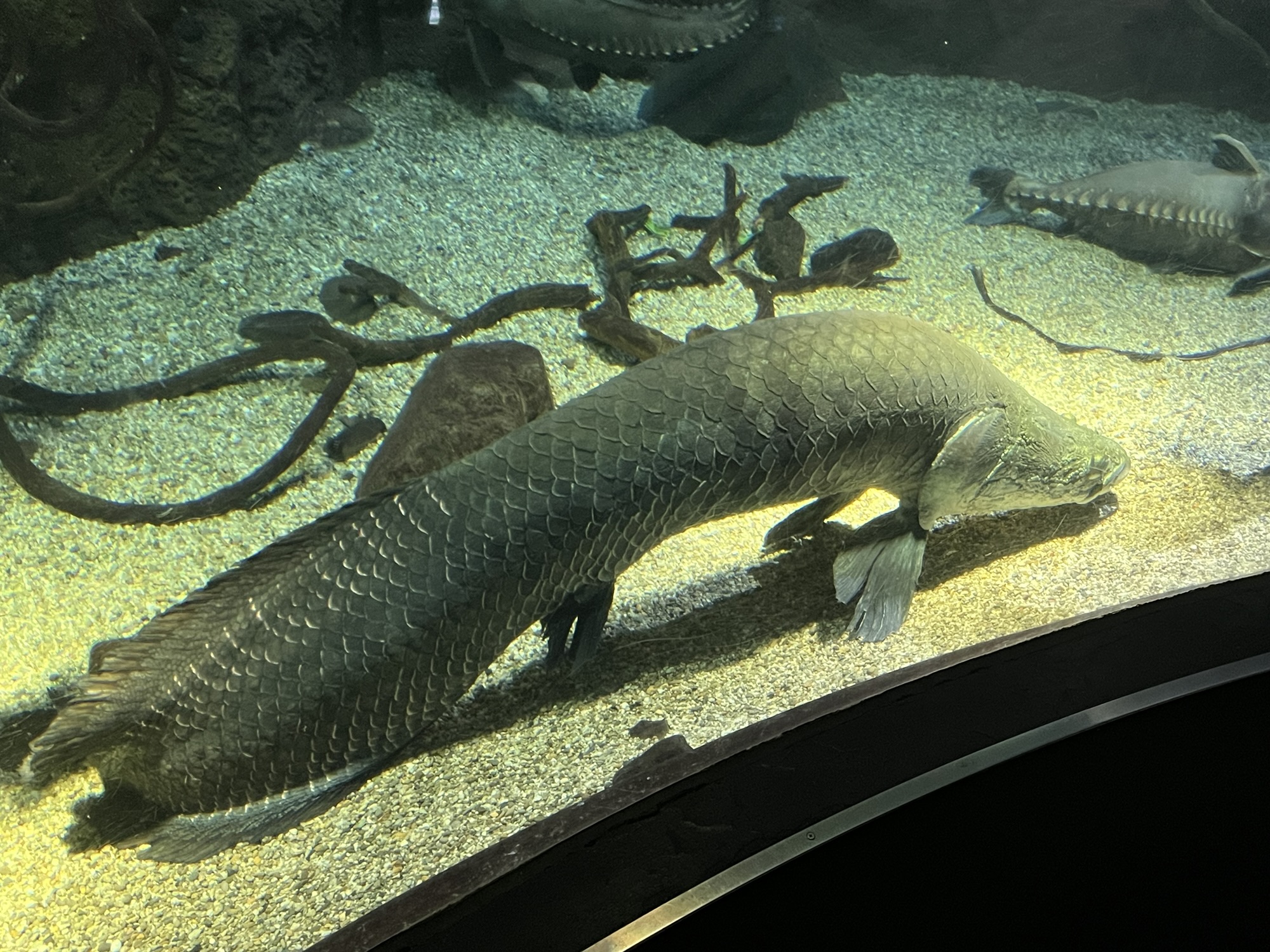


The piece de resistance is this massive tank featuring whale sharks, giant rays, and a whole lot more.








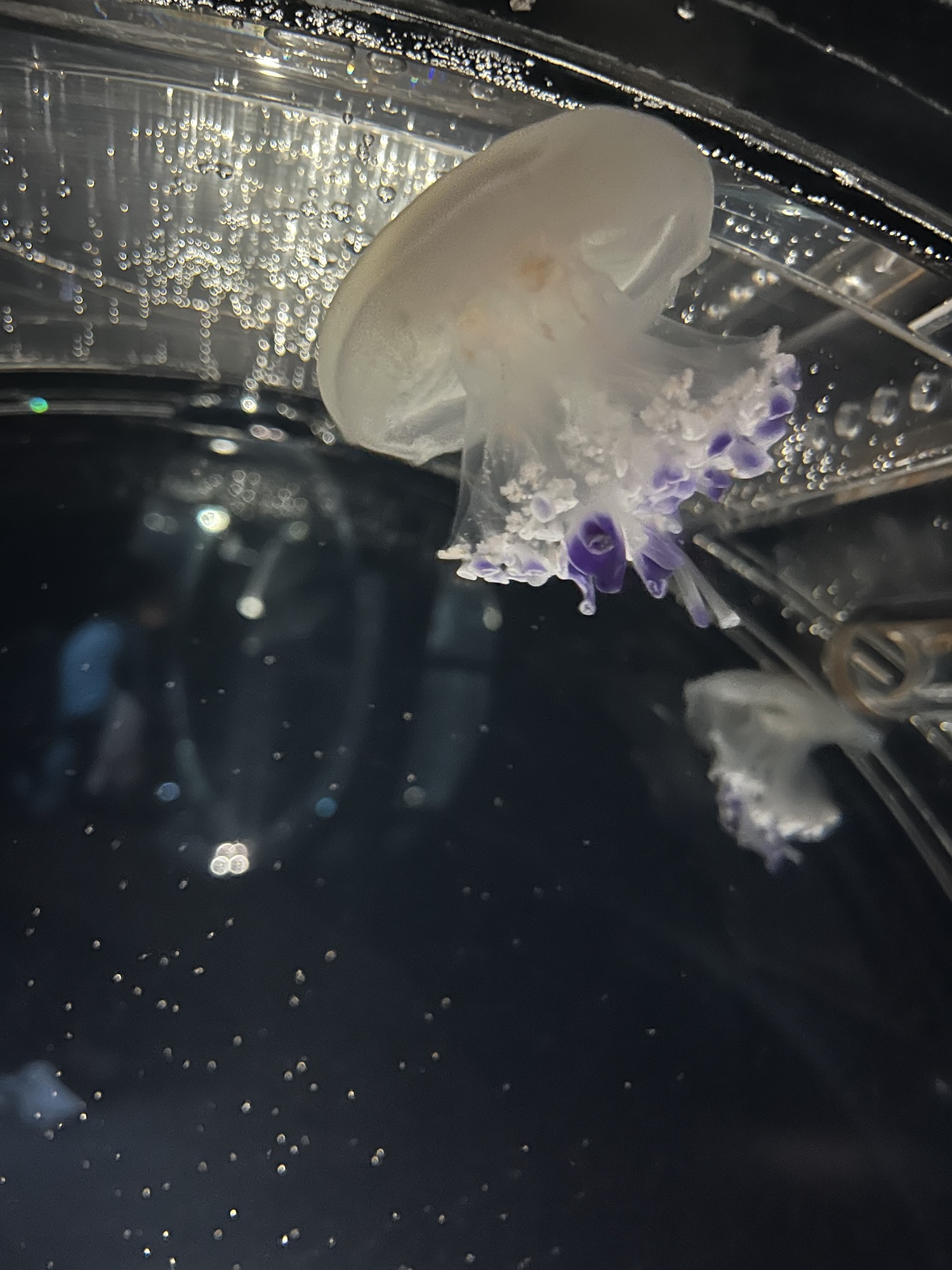
And finally, jellyfish.


We head to the neighborhood of America-mura (literally, American village) to kill a little time prior to the show.
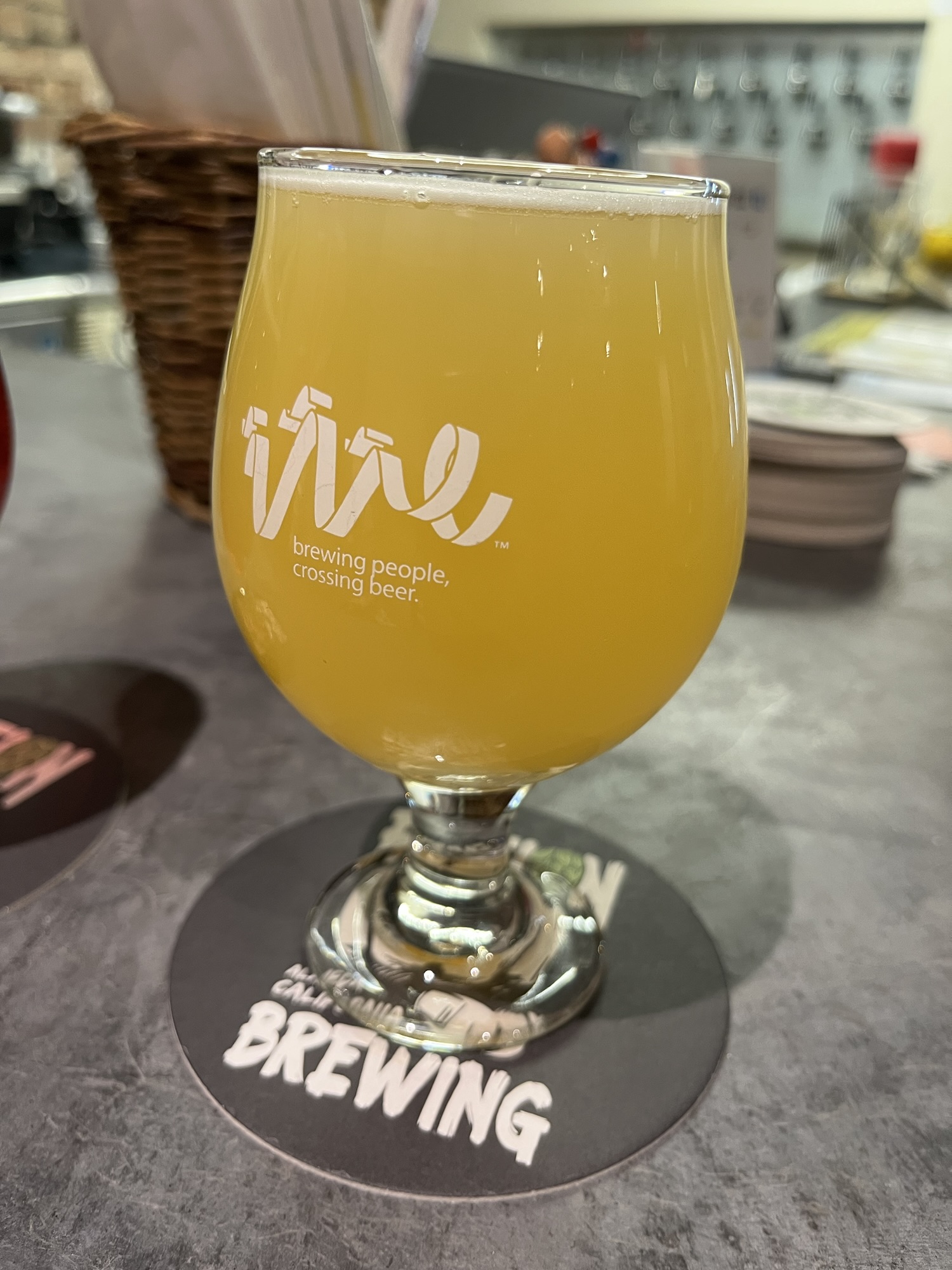
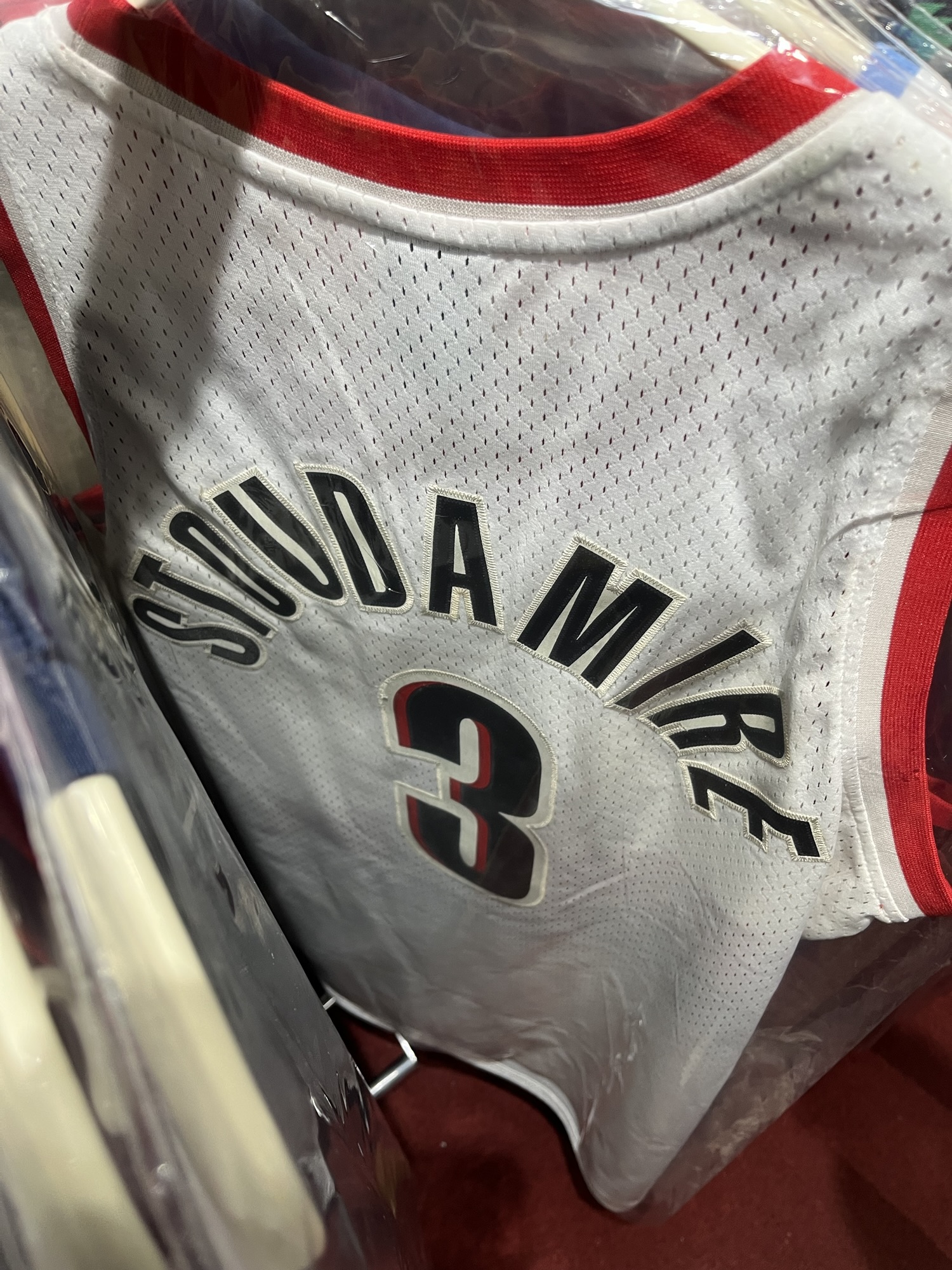
Between the Hazy West Coast IPA and the Mighty Mouse jersey, I might as well be in Portland
Before I know it, it’s time for Herbie.
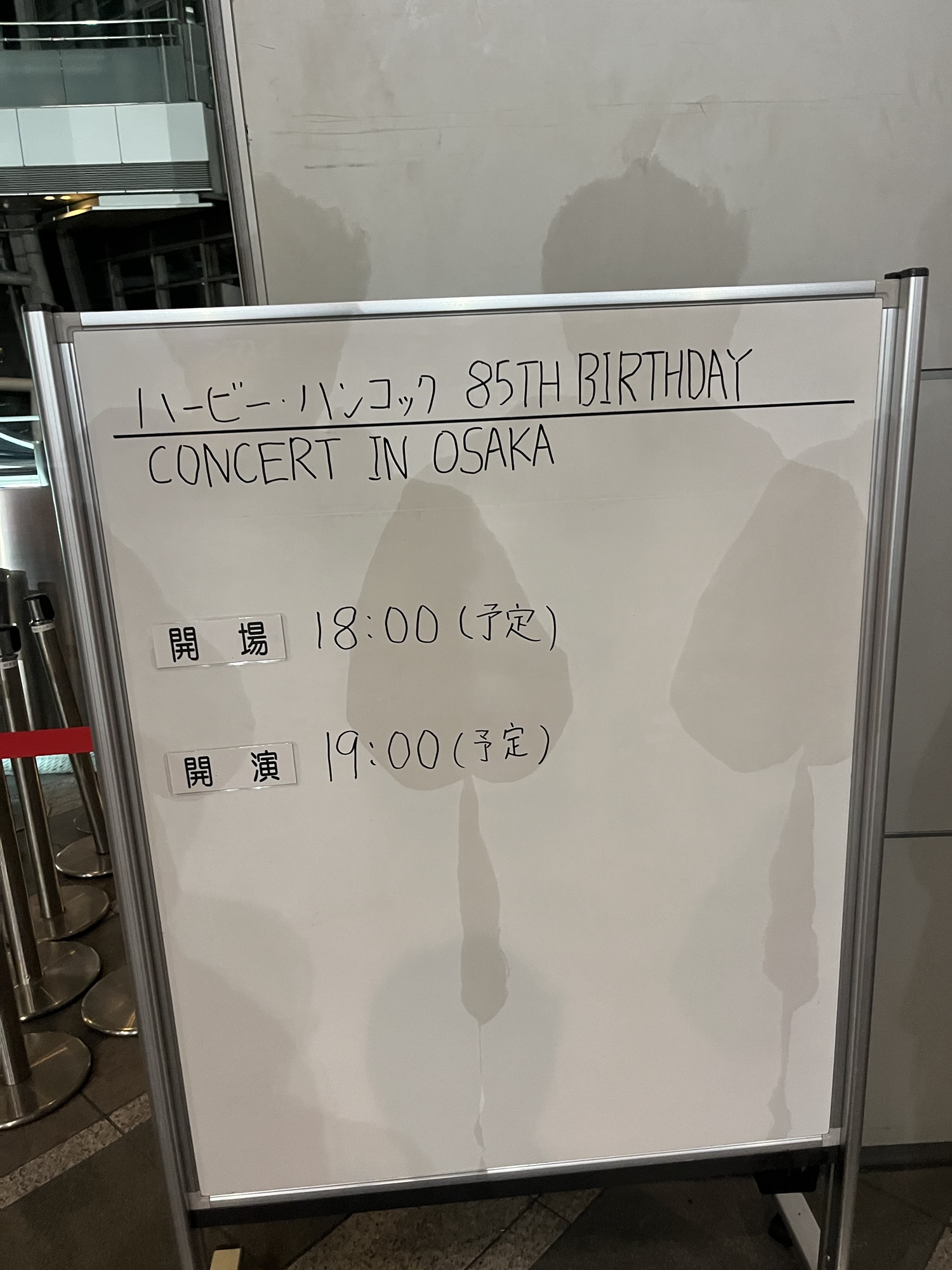
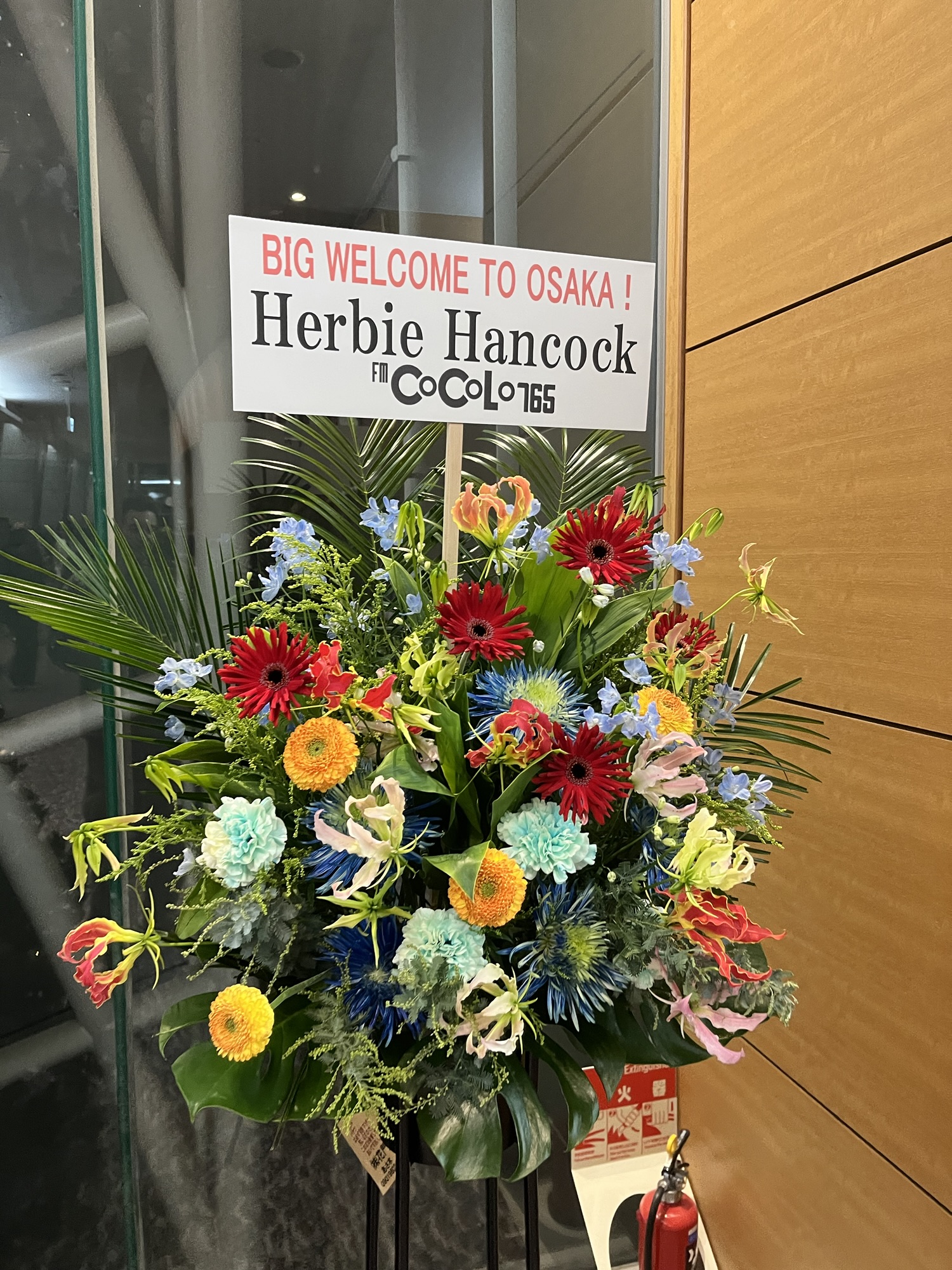
In America, his name would be in lights on the marquee… in Japan, you get a whiteboard pilfered from a classroom
The venue feels about twice the size of the one in Hiroshima.
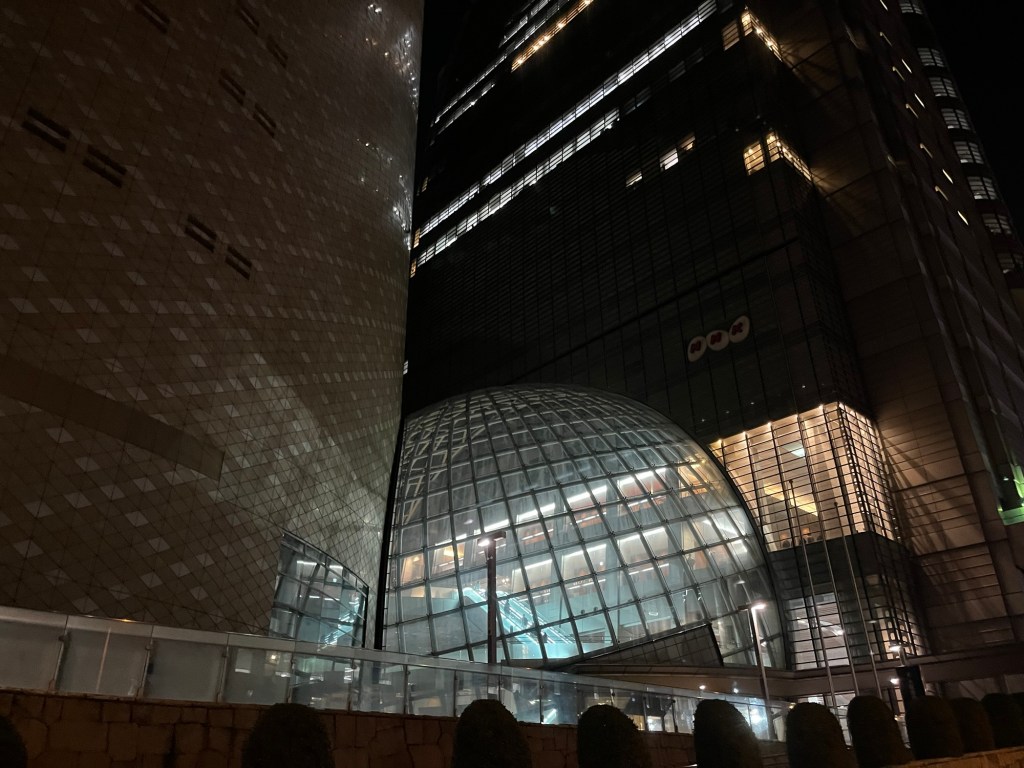
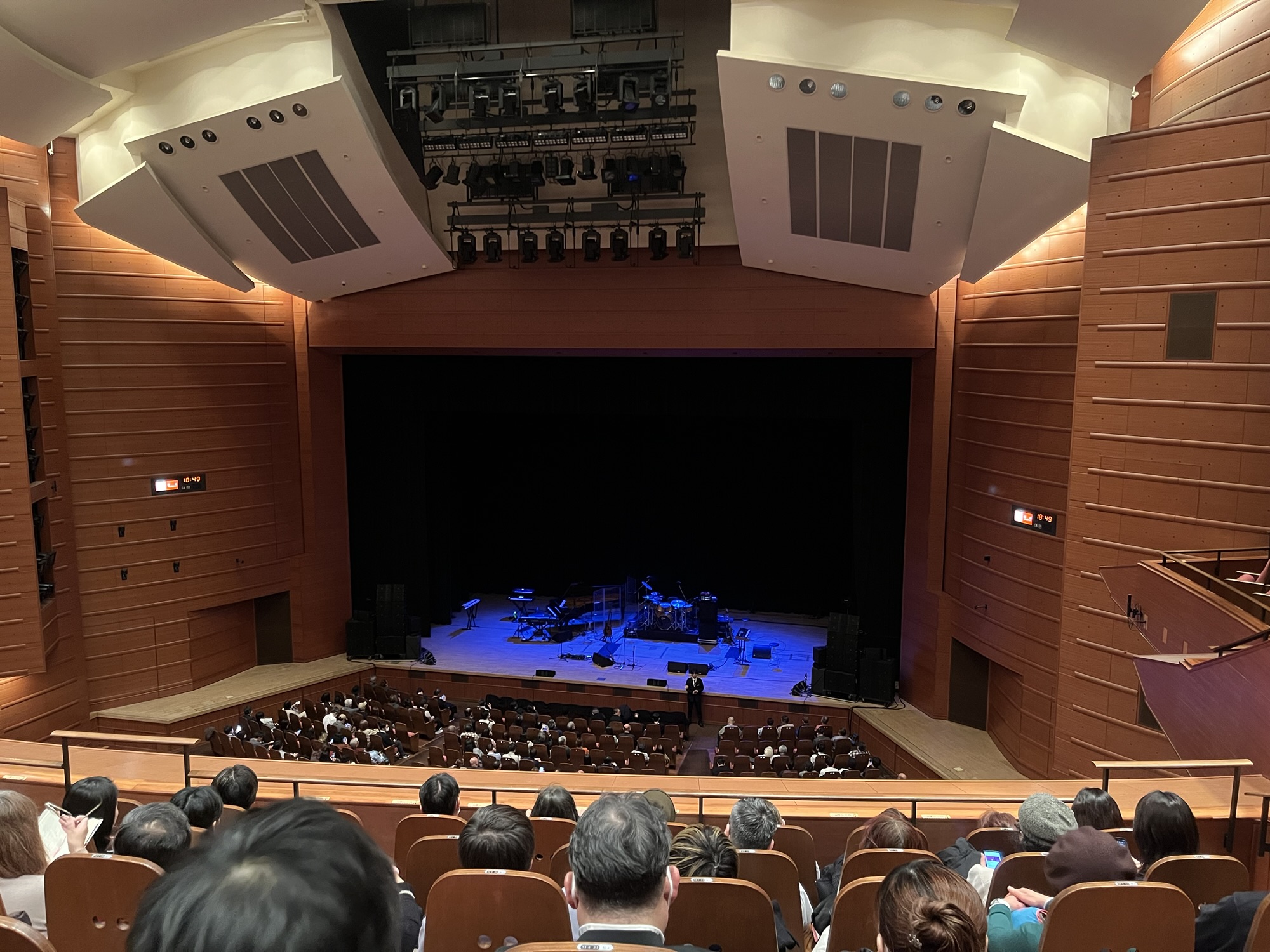
In contrast to Jazz Fest (where I saw Herbie in 2023), Herbie at NHK Hall was more of an “older people dressed nice” sort of vibe than the colorful “blunts and daiquiris” scene in NOLA. You can guess which I prefer. But on the positive side, I got to see a full Herbie set instead of his abridged festival hour (also kicking myself for having been to New Orleans twice – albeit for about a week combined – and not producing a blog).

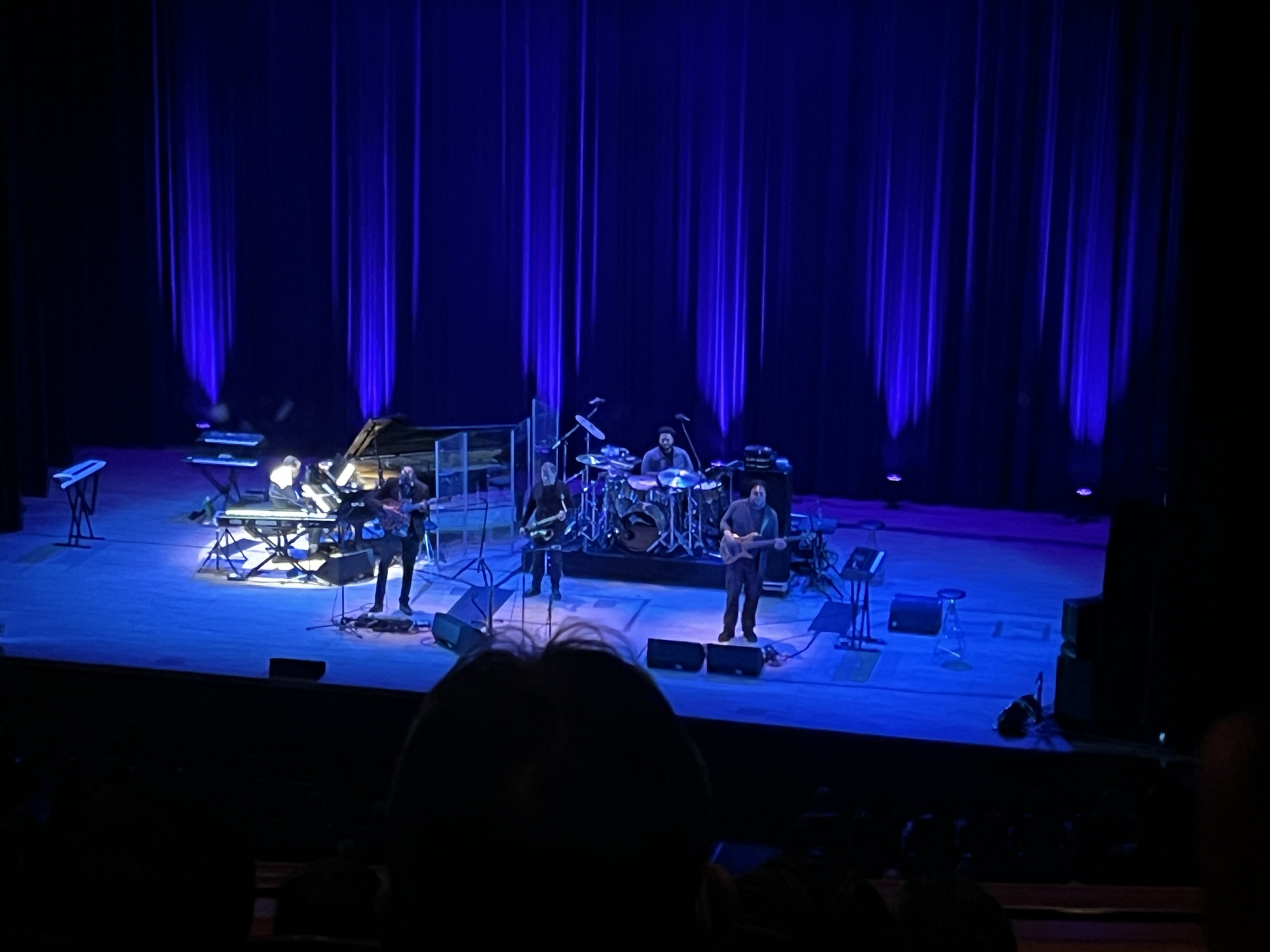
Enjoy these blurry photos from my faraway seat
He opened with something really spacey that I didn’t recognize – I thought it might be from Sextant (1976), which was kinda like Herbie’s Bitches Brew but based on his set from his Yokohama show two days prior, I think it was “Prehistoric Predator” and “Overture.” This gave way to “Footprints” a Wayne Shorter tune arranged by Terrance Blanchard, who was a member of Art Blakey’s Jazz Messengers and did the music for some Spike Lee movies. Shorter and Hancock were great friends, having played in Miles Davis’s Second Great Quintet (1964-1968), and Shorter died in March 2023, just a few months before I saw Herbie in New Orleans.
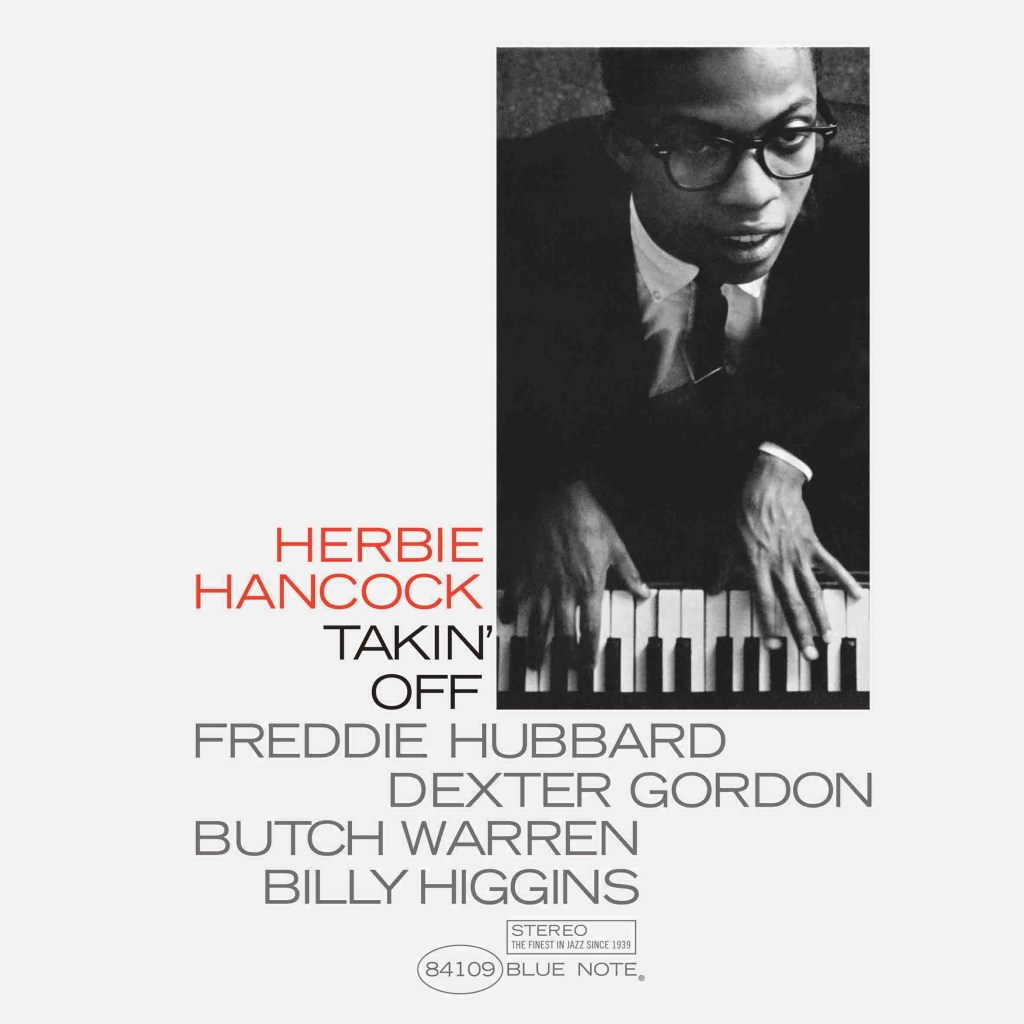
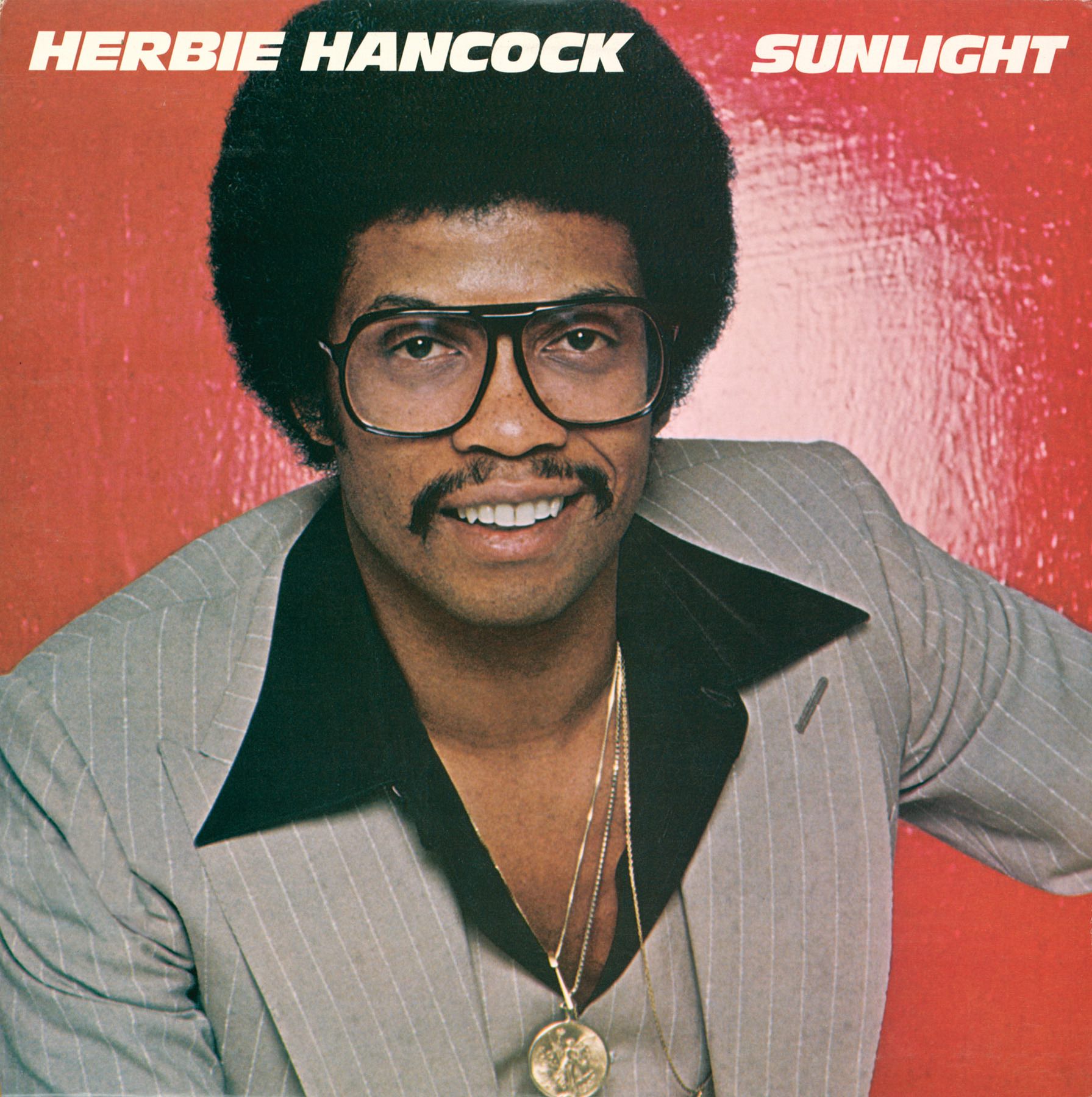
Herbie’s evolution from 1962 to 1978, his change in style, is emblematic of how his music changed as well
Herbie followed with “Actual Proof” and “Butterfly,” two songs from his studio album Thrust (1974) that he also played live in Tokyo the next year on Flood (1975). Next was “Secret Sauce” also unknown to me. Sometime around here, Herbie hopped on the vocoder/talk box to impart some wisdom in musical form. “We all have phones… I have Siri… Arigato Siri” was followed by a warning on artificial intelligence, observing that we don’t want to live in the world from The Terminator. Herbie has used the vocoder a lot throughout his career, and it makes for some really beautiful soundscapes (as you can hear on his album Sunlight (1978)).
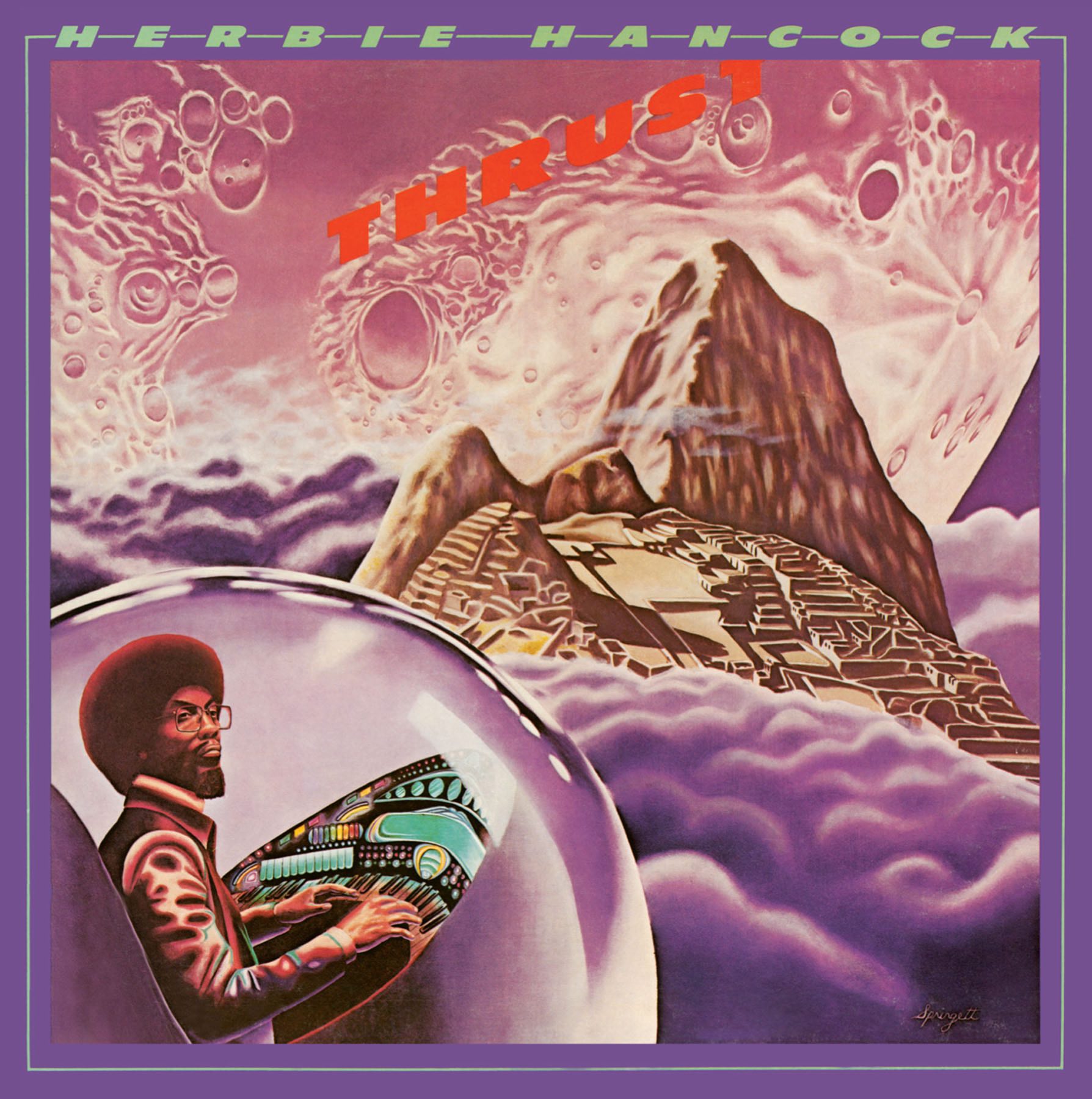

The 70s were really the best decade for music, just look at these album covers
To wrap things up, they did a Rockit / Hang Up Your Hang Ups / Spider medley, which was really cool. As was recently laid out for me on the One Song podcast, “Rockit,” a hip-hop instrumental that won a Grammy and cleaned up at the MTV Music Video Awards, introduced Herbie Hancock to a whole new generation of people. It also really shows Herbie’s range: this guy started out in black-and-white photographs wearing a suit, evolved into the funk/disco neighborhood, and then decided to try his hand at this drum machine/record scratching business, casually creating one of the most iconic songs of all time.
For the finale, he broke out the keytar for “Chameleon” – just like at Jazz Fest. The crowd went nuts (by reserved Japanese standards). Herbie’s tickling of the ivories at the age of 85 had impressed me all night, but now he paraded around the stage shredding on the keytar, bouncing and dancing with the agility of a much younger man. I was impressed with his backing band as well. The drummer, Jalen Petinaud, was a true athlete. At just 27, he’s already worked with Robert Glasper and The Roots. The saxophonist, Chris Potter, played with Steely Dan, Wayne Shorter, and Kenny Wheeler. The bassist, James Genus, plays in the SNL band and has worked with Nat Adderly, Branford Marsalis, Horace Silver, and Lee Konitz. Lionel Loueke, from the West African nation of Benin, did some Xhosa-esque scatting/clicking during the show, which was cool. As an armchair quarterback, I think it’s cool that your credibility in jazz comes from who you’ve played with, which underscores how big a factor compatibility and teamwork are.

A late post-concert dinner just about does it. When it’s cold and windy, curry does the trick (even from the fast-food joint CoCo Ichibanya).

Thank God our transport back is a direct bus ride to Matsuyama. It’s a long bus ride, but the window offers beautiful views of mountains covered in multicolored trees, not to mention the ocean.

Up next, the other Rip City Ramblers (my parents and sister) are making the long flight across the ocean to visit me. We’ll hit a few cities in Japan, before leaving the four main islands for two surprise locations, both of which I’ve wanted to visit for quite some time. Stay tuned…

 Eat It
Leave a comment