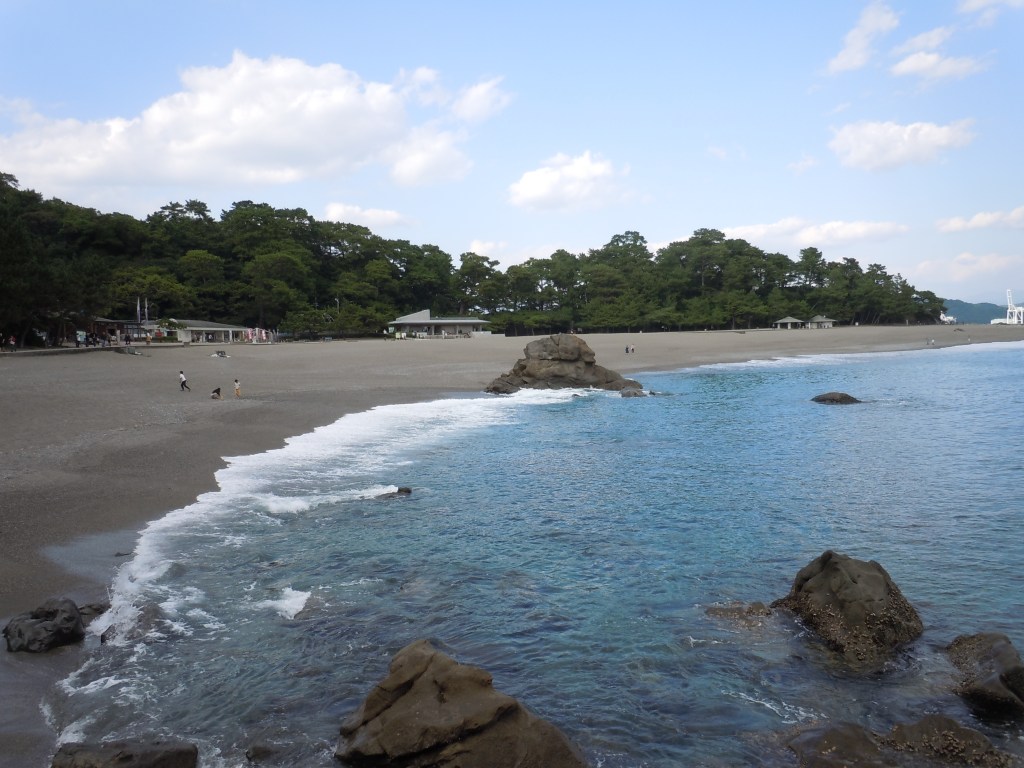
As stipulated in my contract, I get 20 days off per year, with an additional three designated for the summertime. These expire at the end of October, so I notified my supervisor that I would be taking Monday the 27th and Tuesday the 28th off. Now, I just needed to figure out something to do. I decided to head for the city of Kochi, a sleepy industrial city of about 300k on the southern coast of Shikoku (not to be confused with the city of Kochi, Kerala, India).
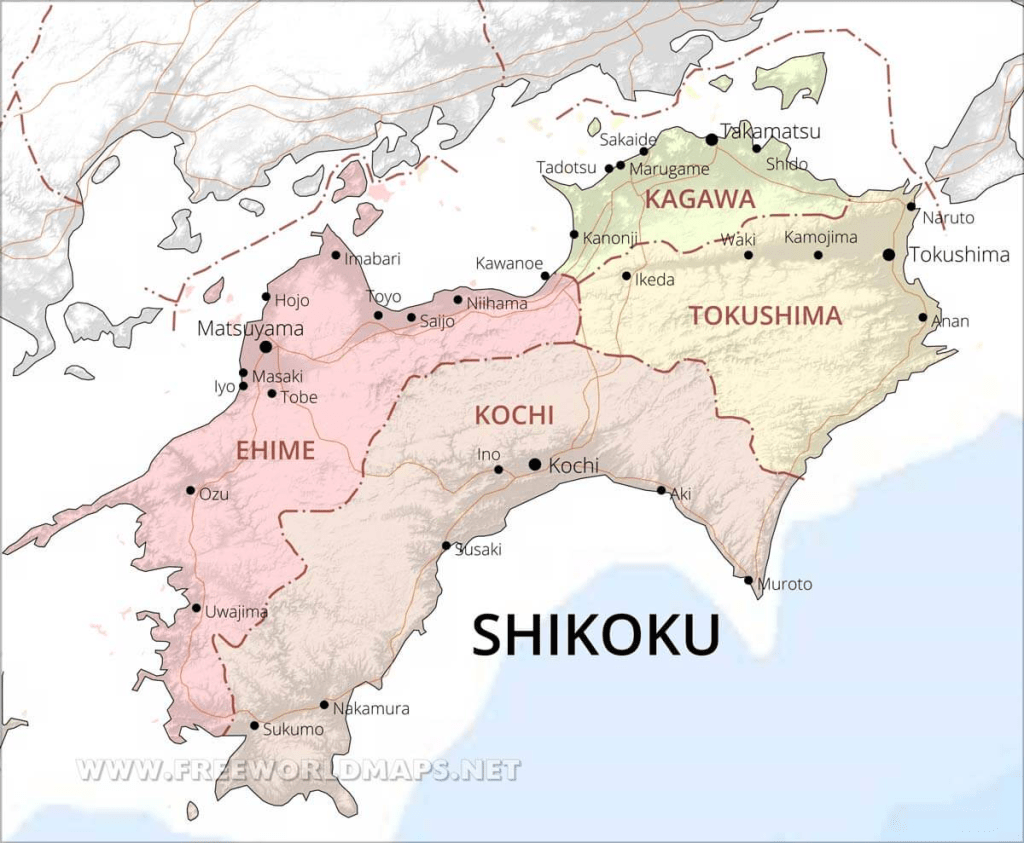
One would think that a) you could travel essentially as the crow flies the 100 km from Matsuyama to Kochi and that b) this being Japan, you would take the train. You would be wrong on both counts. Shikoku is very mountainous, which is why most people live on the coast. To travel to Kochi from Matsuyama, you basically follow the coast north until you get past the city of Niihama, where you turn and head straight south. Also, because Shikoku has the worst infrastructure in mainland Japan, it takes longer to take the train than it does to drive. To the bus it is! My ticket costs 4000 yen ($26) each way.
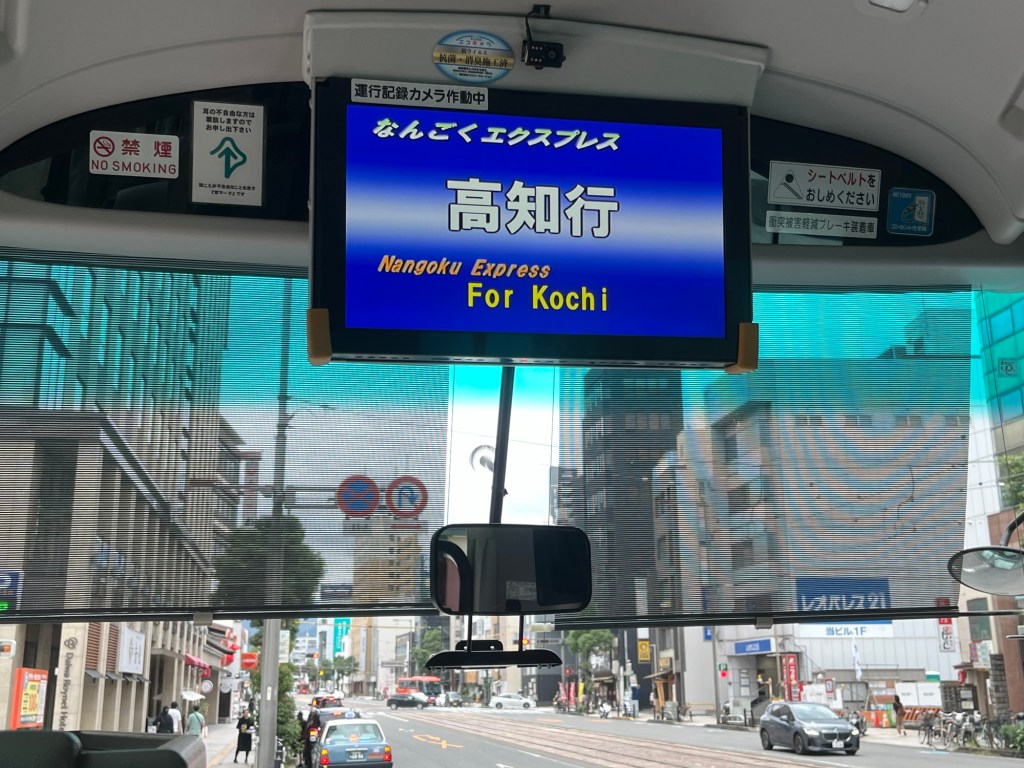
I hop on the bus at noon after watching the Trail Blazers decisively put away the Warriors by 20 points. Warriors coach Steve Kerr basically waived the white flag by taking his veteran starters out with most of the 4th quarter remaining. Granted, the Warriors had to play overtime against Denver the previous night, but this Blazer team is the worst nightmare of an aging squad on a back-to-back (games on consecutive days). We may struggle to put the ball in the basket at times, but we have a plethora of excellent defenders – Toumani Camara (All-Defense this season and already one of the top perimeter defenders in the league), Donovan Clingan (already a solid rim protector in his second season), Jrue Holiday (six-time All-Defense who still has some juice left in the tank), Matisse Thybulle (two-time All-Defense who finally seems to be healthy after playing just 15 games last year), plus the new addition of Blake Wesley (former first-round pick from San Antonio) – who will make your life hell by picking up full-court and flying down the court to turn stingy defense into transition offense. Not bad, considering our coach was arrested by the FBI after the first game (to which I say, good riddance and let the Tiago Splitter era commence)!
Anyways, my goal for this little excursion is only to eat katsuo no tataki (seared bonito tuna), a Kochi specialty that is the only thing I know about the town. On the bus ride I listen to autumnally atmospheric music – Bill Withers, Dusty Springfield (did you know that she recommended Led Zeppelin to Atlantic Records in November 1968 because John Paul Jones had been a session bassist for her? Of course you didn’t, it’s a rhetorical question, but maybe you knew that her most famous song, Son of a Preacher Man, was sampled by Cypress Hill for their song Hits from the Bong), Thee Sacred Souls, Sade, and Khruangbin – and start reading James Michener’s Iberia. While I expected it to be another one of his incredibly dense works of historical fiction, it’s actually an account of his travels through Spain. What do he and NBA podcaster Ryen Russillo have in common? Both of them have mused on Spanish bullfighting, although Michener’s writing unsurprisingly puts Russillo’s podcasting to shame, even if I enjoy the latter’s travel pods for the unintentional comedy factor (equal parts funny and pathetic). The weather here on Shikoku has finally turned a little chilly – and by that I mean now we get overcast mid-60s instead of sunny high-70s. As we wind through tunnel after tunnel in the Ishizuchi Mountain Range, mist lingers in the valleys between the peaks. Far off in the distance is the omnipresent ocean. And suddenly, as we exited the umpteenth tunnel, the sun nearly blinds me. As we descend into Kochi, the sun shines brilliantly. A slow, lazy river bisects the town, and I’m dropped off at the JR Station.

I walk fifteen minutes or so to my guesthouse, which also runs me 4000 yen for a night. When I drop my stuff and inform the innkeepers of my intent to head down to the famous Hirome Market to procure my katsuo no tataki, I am told that another guest is also heading that way.
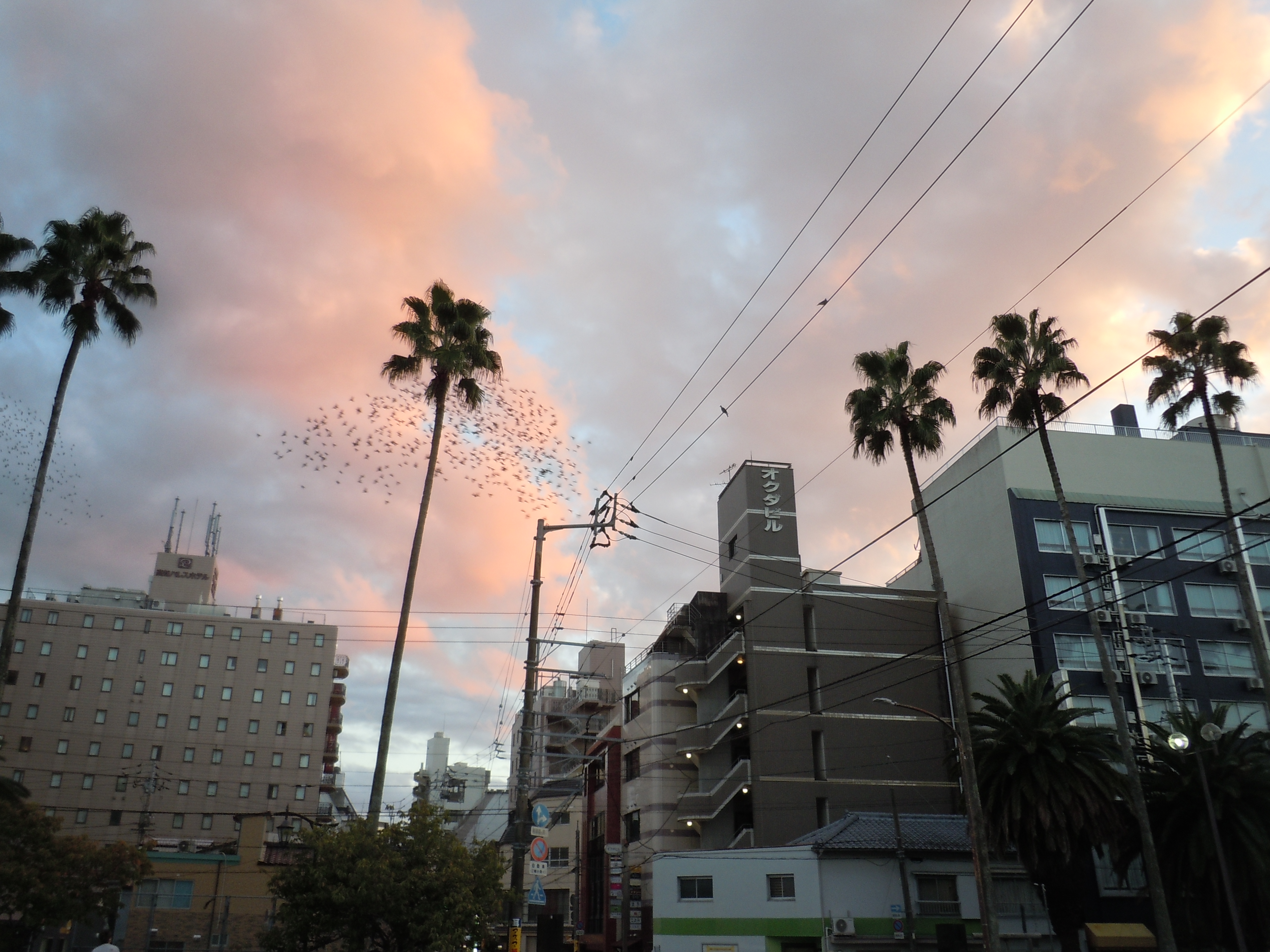
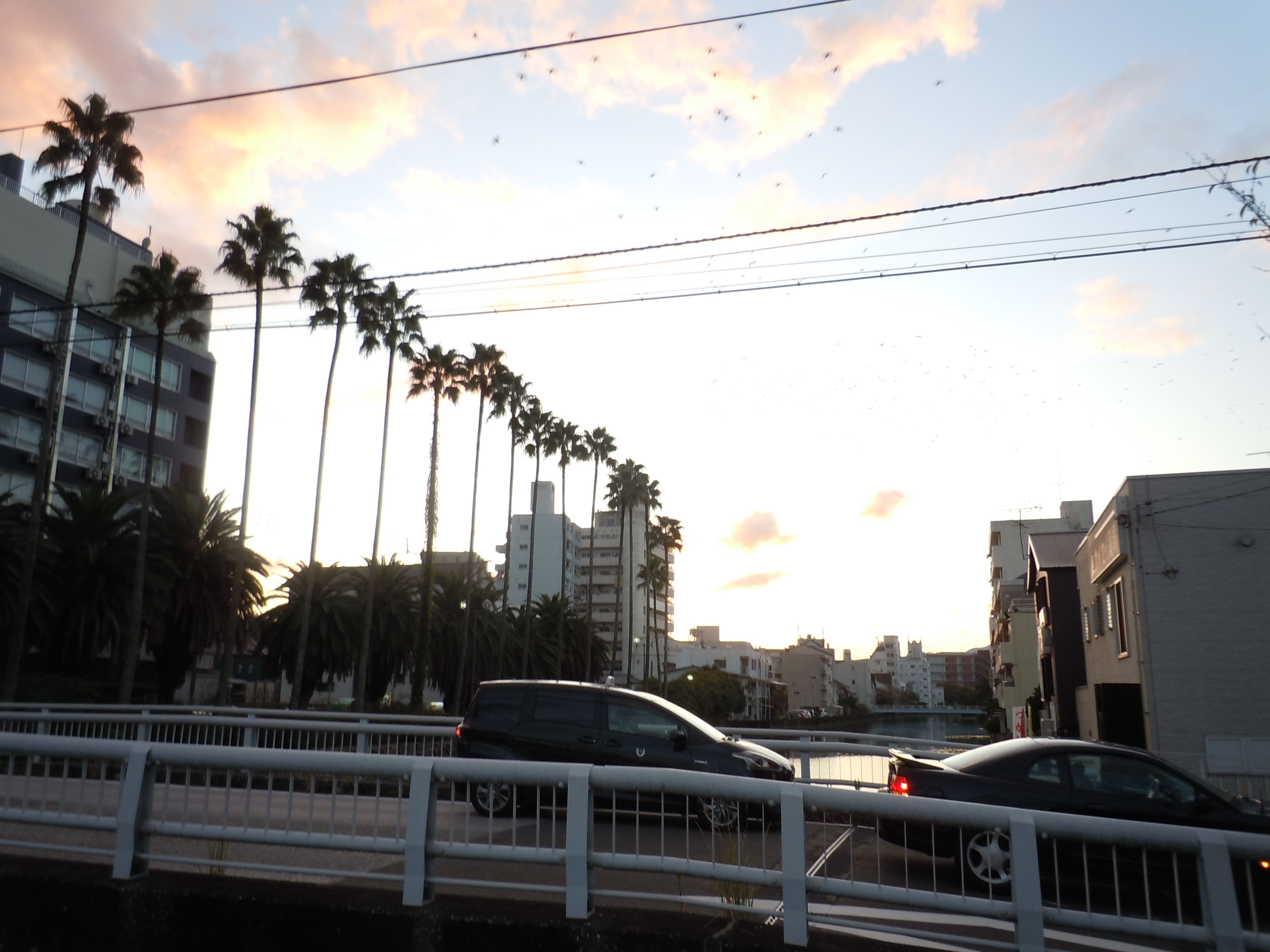
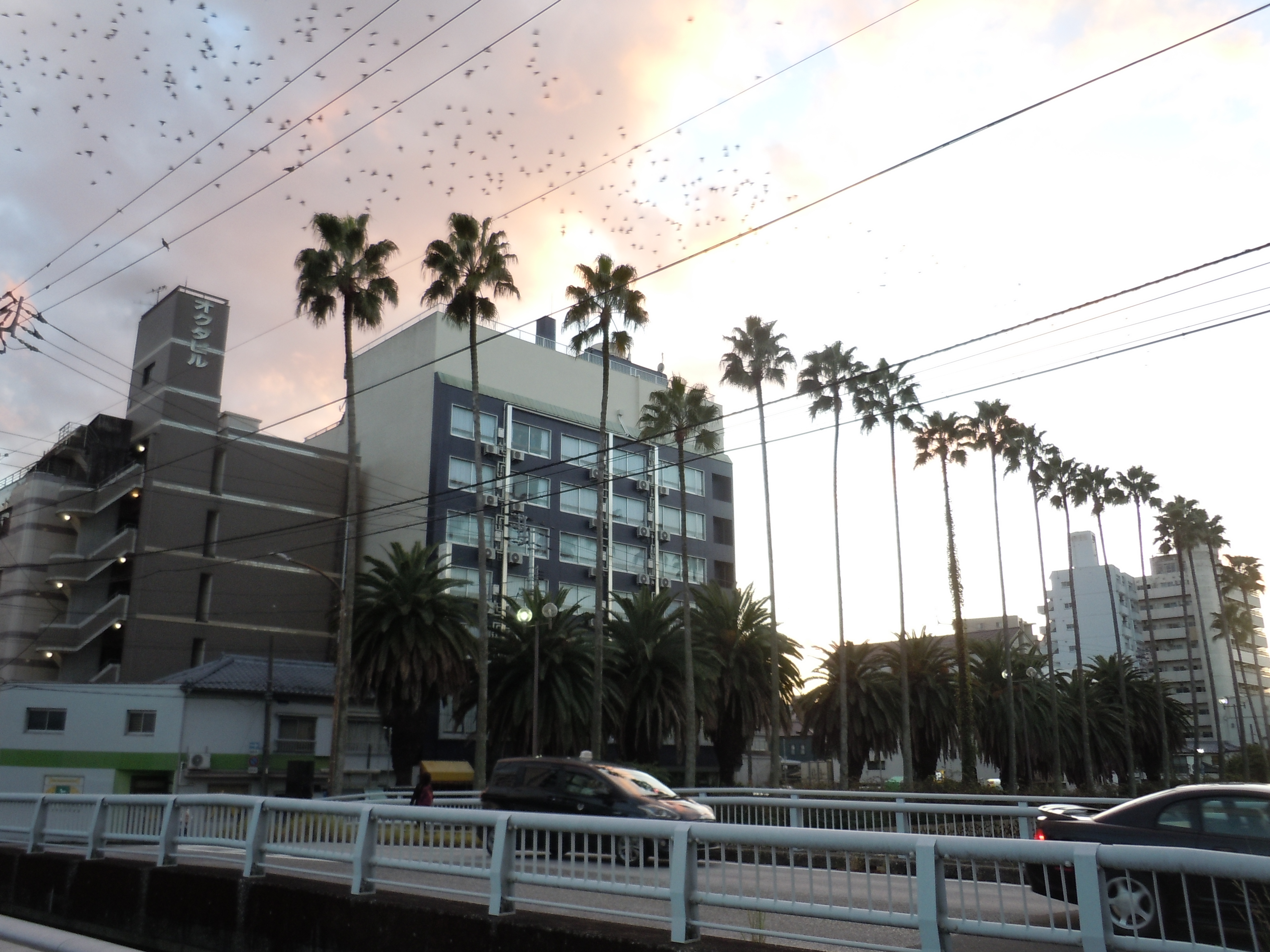
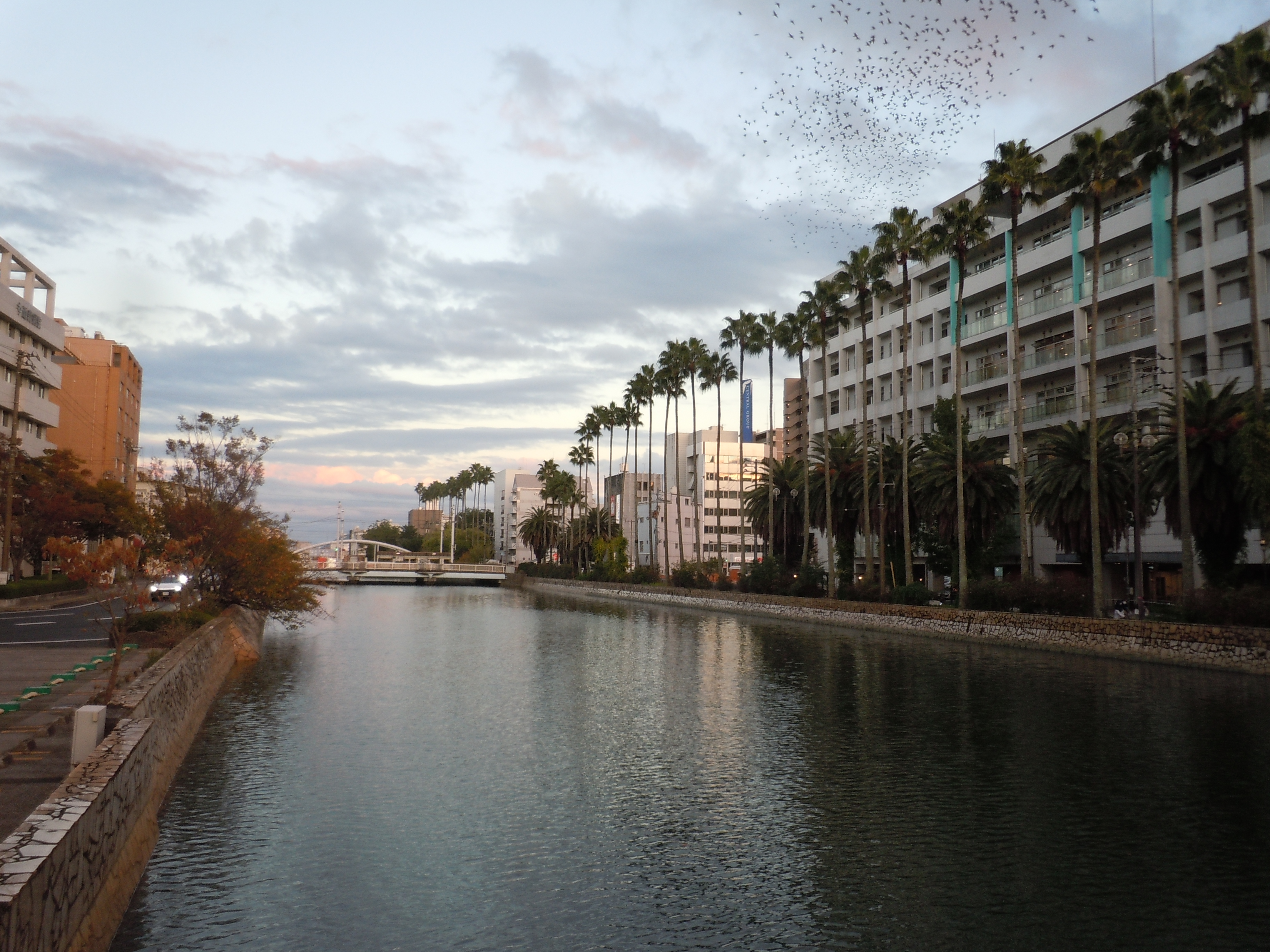
So my new friend Pak from Korea and I set off down the road. Pak speaks about as much English as I do Korean, but his Japanese is sensational, so we swap stories in our respective second languages. He’s from the Korean countryside and is driving around southern Japan in a meandering fashion (he brought his car on the ferry from Korea with him). Though he studied economics in college and wants to be an investor, he has somehow ended up as a rural firefighter (seemingly because he’s a gym rat and liked the training, although this may have been a bit of communication breakdown). As we walk, the sunset lights up the sky in gorgeous shades of pink, and with the palm trees (which we don’t have in my neck of the woods), you can almost imagine you’re in Miami.


We near the market (located at the end of a typical covered shopping street) when we hear the rhythmic taiko drumming and smell food. We sit next to a koban and eat a jakoten (fried fish cake) and some utsuobo karaage (fried moray eel, reminiscent of something you could find at Mo’s) when my friend Walid finds us.
I met Walid, a fellow ALT based in Kochi, at orientation in Tokyo, and though he’s from Newcastle, England, and studied in Edinburgh, he studied abroad at the University of Oregon! Small world it is.
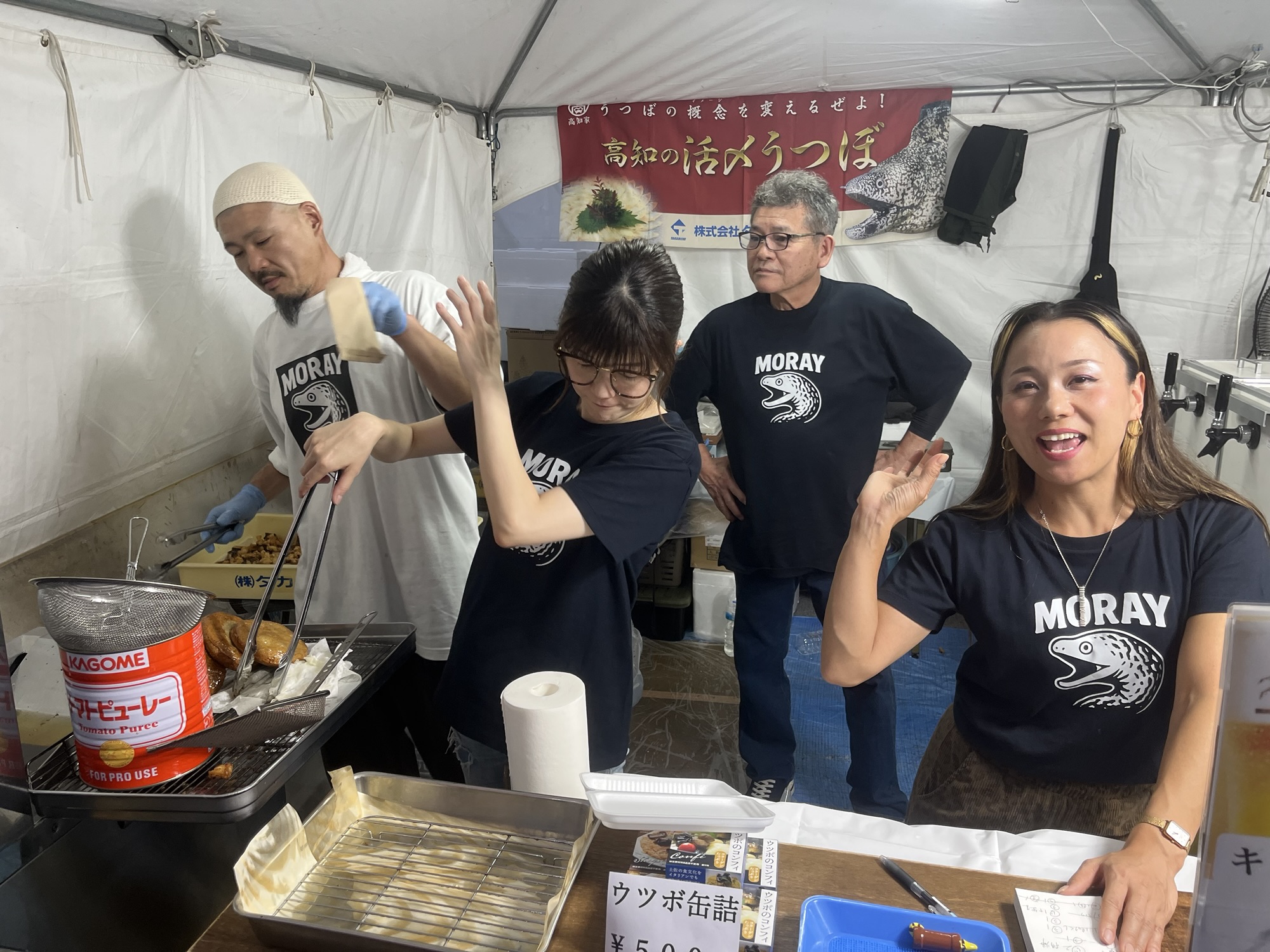

These moray eel shirts are cool… that logo would look great on a cap
Our merry trio walks into the bustling market, which reminds me of Pike Place (although my mom later points out on the phone that with the food stalls and communal seating, is much more like a Singaporean hawker center, an observation that did not occur to me at all). Nevertheless we snag an open table, source a menu from one of the stalls recommended by the guesthouse, and order tuna sashimi and seaweed tempura in addition to the katsuo no tataki. Oh, and beers the size of your head.
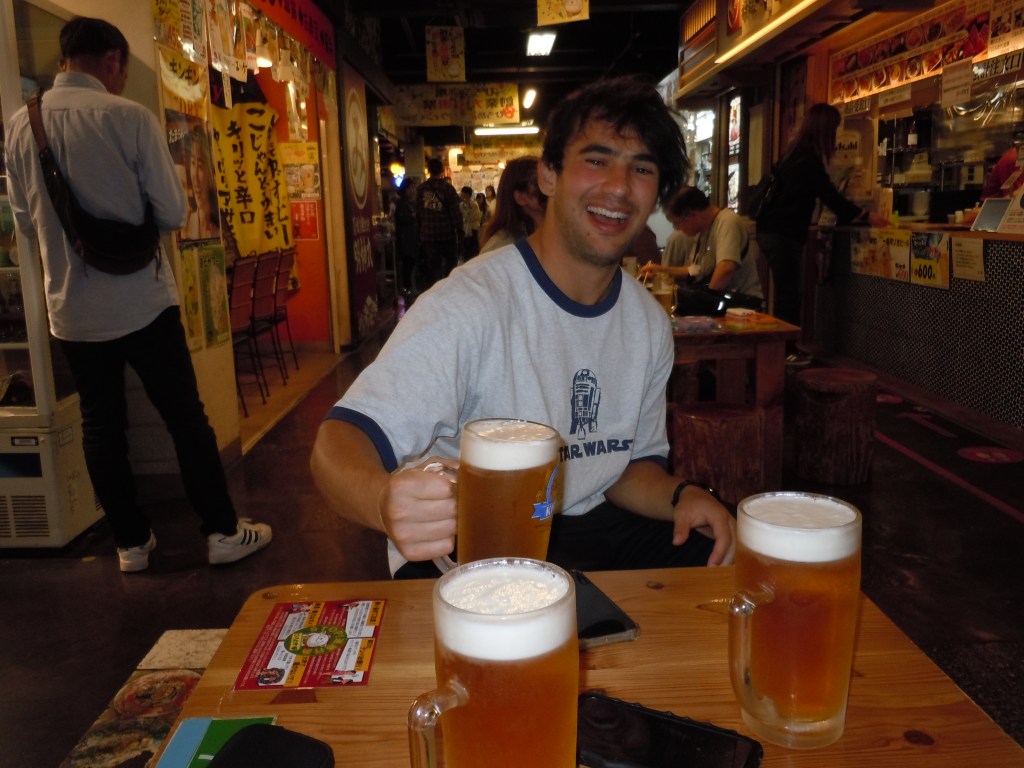
The food arrives, and it’s sensational. The katsuo is sensational: seared and salty on the outside, melt-in-your-mouth tender on the inside. It almost reminds me of pastrami (which I try to explain to Pak… don’t think he quite got the message). The sashimi is amazing as well – maybe the best piece of raw tuna I’ve ever had the fortune of putting in my mouth. And as you can see, the pieces are massive. This piece of sashimi could be like three pieces of nigiri. The tempura, while crunchy, doesn’t taste like much.
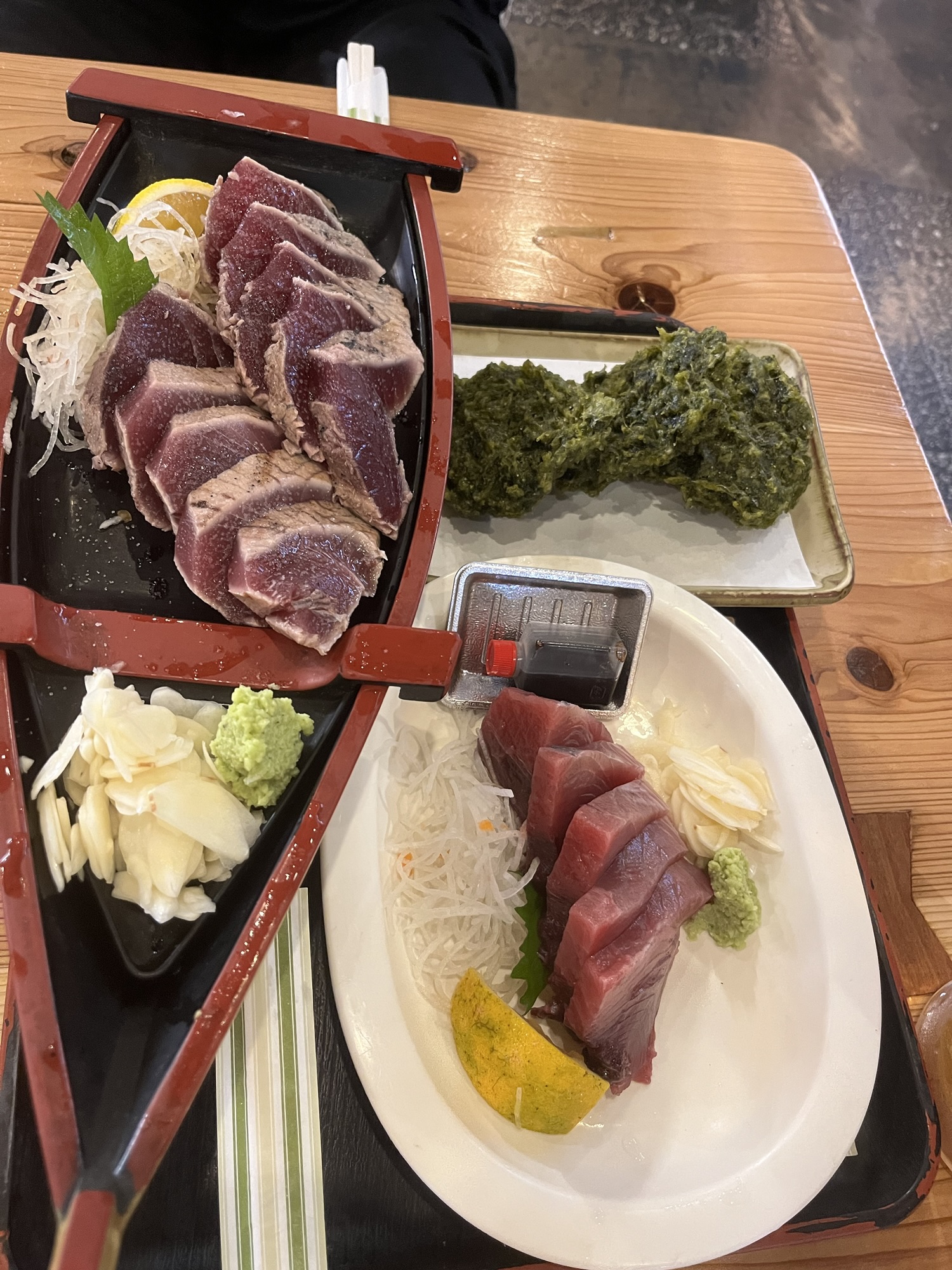
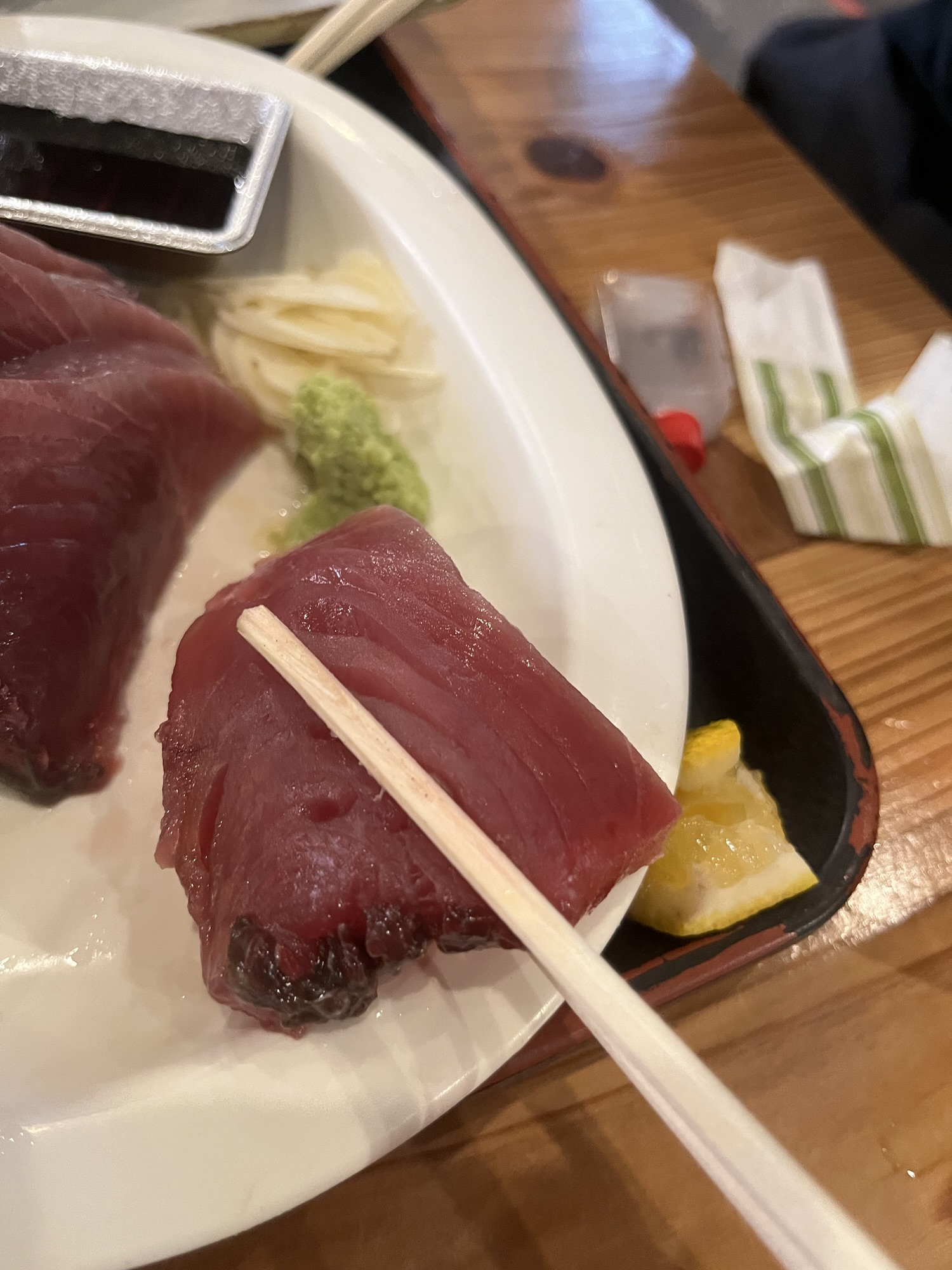
No, that’s not ginger next to the wasabi – it’s raw garlic! While we ate, our conversation turned to politics (via Google Translate, as this conversation topic exceeded my Japanese ability). Pak said he was right-wing, and that he had no choice to be because of the specter of China that hangs over Asian politics. He expressed a moderate fondness for Trump and Margaret Thatcher (the latter of whom is the idol of Japan’s new Prime Minister). Walid and I did our best to sway him – for instance, Pak did not know about Trump deploying the National Guard to Portland. Regardless, we had a respectful dialogue, capped off by a sighting of a Japanese guy wearing a MAGA hat (my second so far in Japan). It’s funny to know that the econ gym-bro with right-wing politics is an archetype that exists outside of the West, and is maybe universal.


Some interior shots of the market – apparently it’s impossible to score a table on a Friday or Saturday.

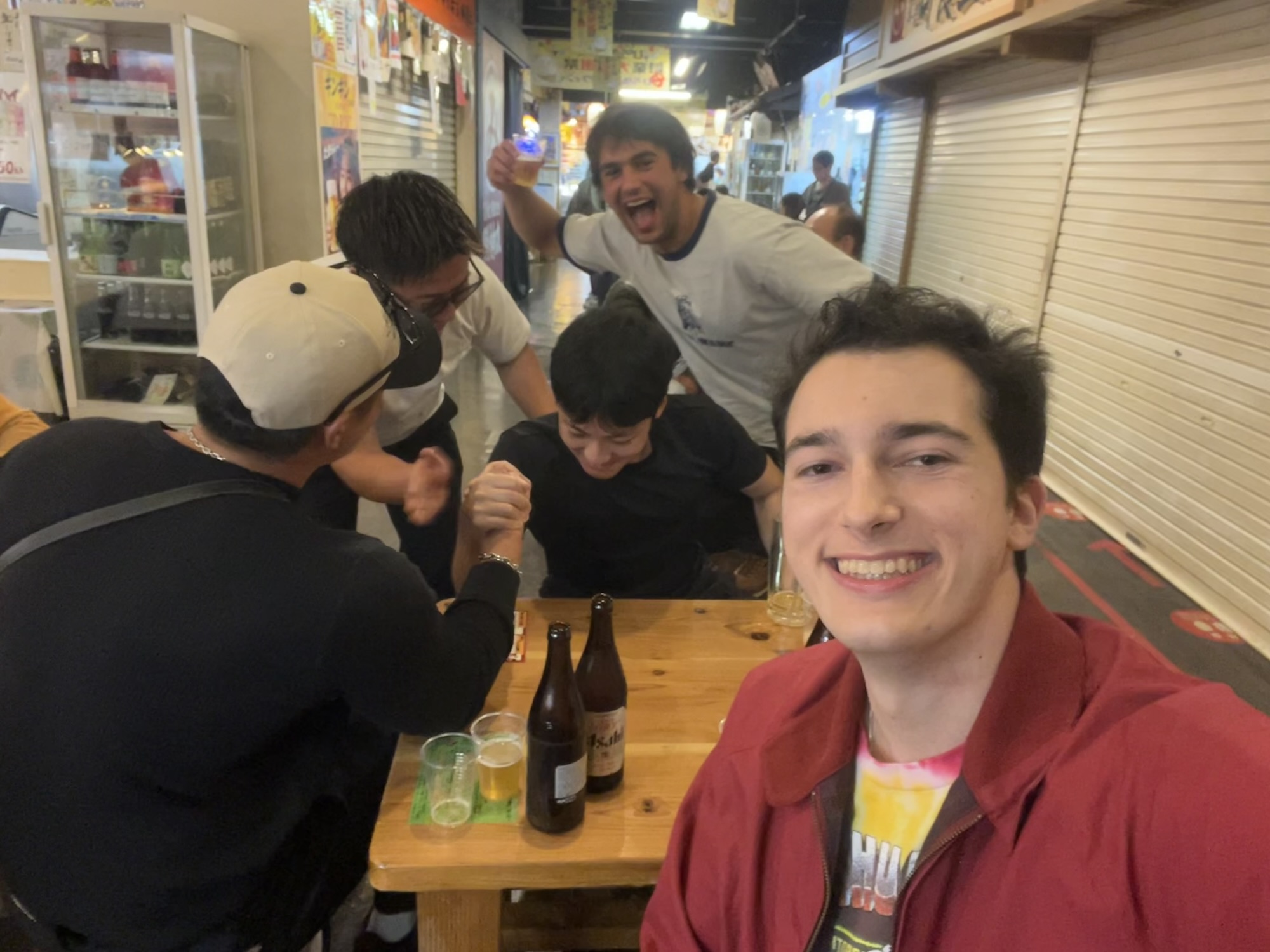
Things escalated quickly when two Japanese fellas joined us. It was difficult to gauge what they said was true. They claimed to be from both Okinawa and Osaka – although they both masterfully executed the ubi-bue (finger whistle), which is apparently an Okinawan thing. They bought a few rounds of beer and showed us the traditional Kochi drinking style, called kempai-hempai. Basically, you fill a cup for someone, they drain it, and fill it for the next person, and you go in a circle using the same cup. Traditionally a rounded-bottom cup is used, so you literally cannot put it down and you have to finish your cup in one go. The big guy said he was a bodybuilder/soccer/rugby player, and he arm wrestled Walid and Pak (I abstained).
At some point, the two Okinawans left, and at that point the evening was about over. Walid got going (he had work in the morning), and Pak and I made our way back to our guesthouse.

The next morning, I had a leisurely breakfast at a nearby cafe where all of the other clientele were old people reading the newspaper/magazines (unsurprising considering it was 10:30 AM on a Monday).
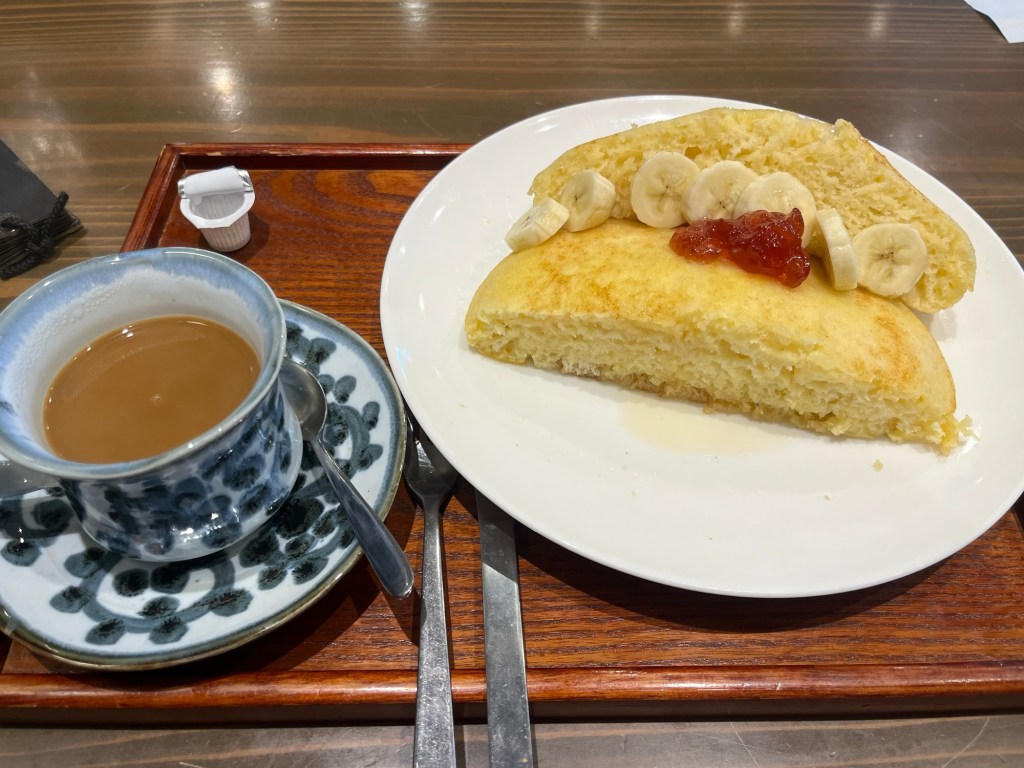
After recently rewatching Inherent Vice (2014) as part of my Paul Thomas Anderson binge, I couldn’t not think of the pancake scene as I ate mine.
I eventually made my way down to the JR Station where I caught the sightseeing bus. There’s no guided tour or anything, it’s like a shuttle that takes you to all the major sights. I took it to the end of the line: Katsura Beach.
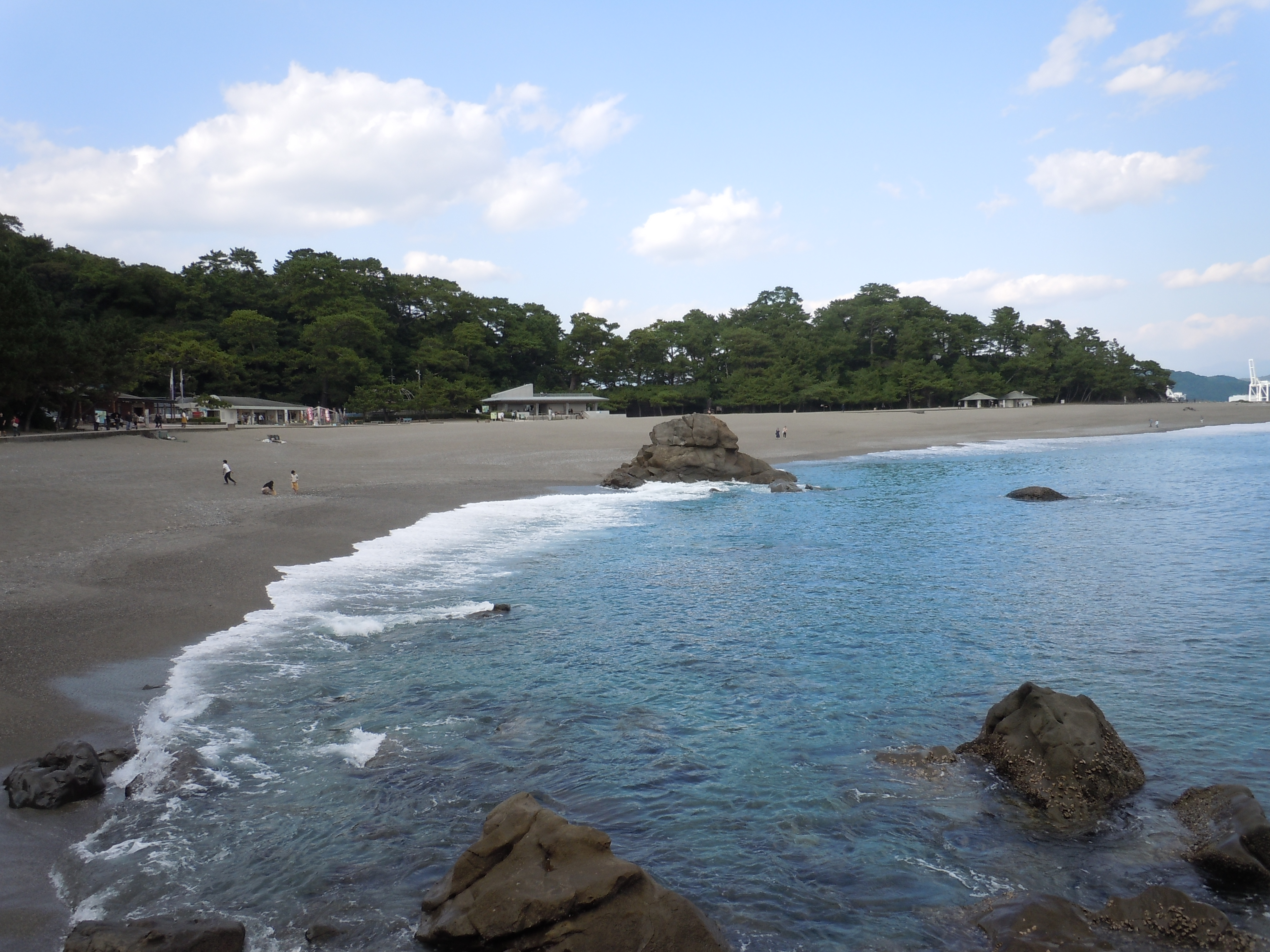
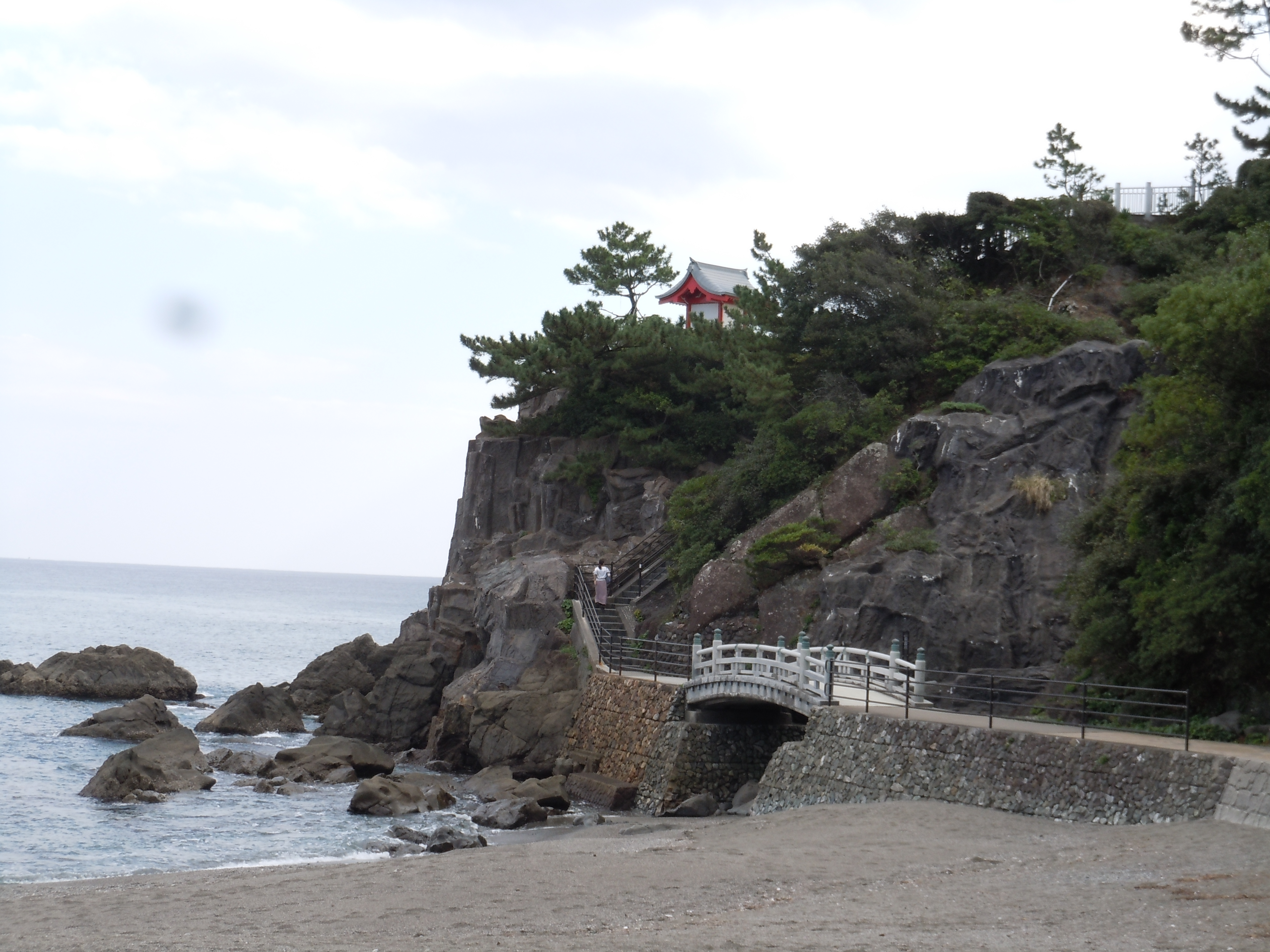

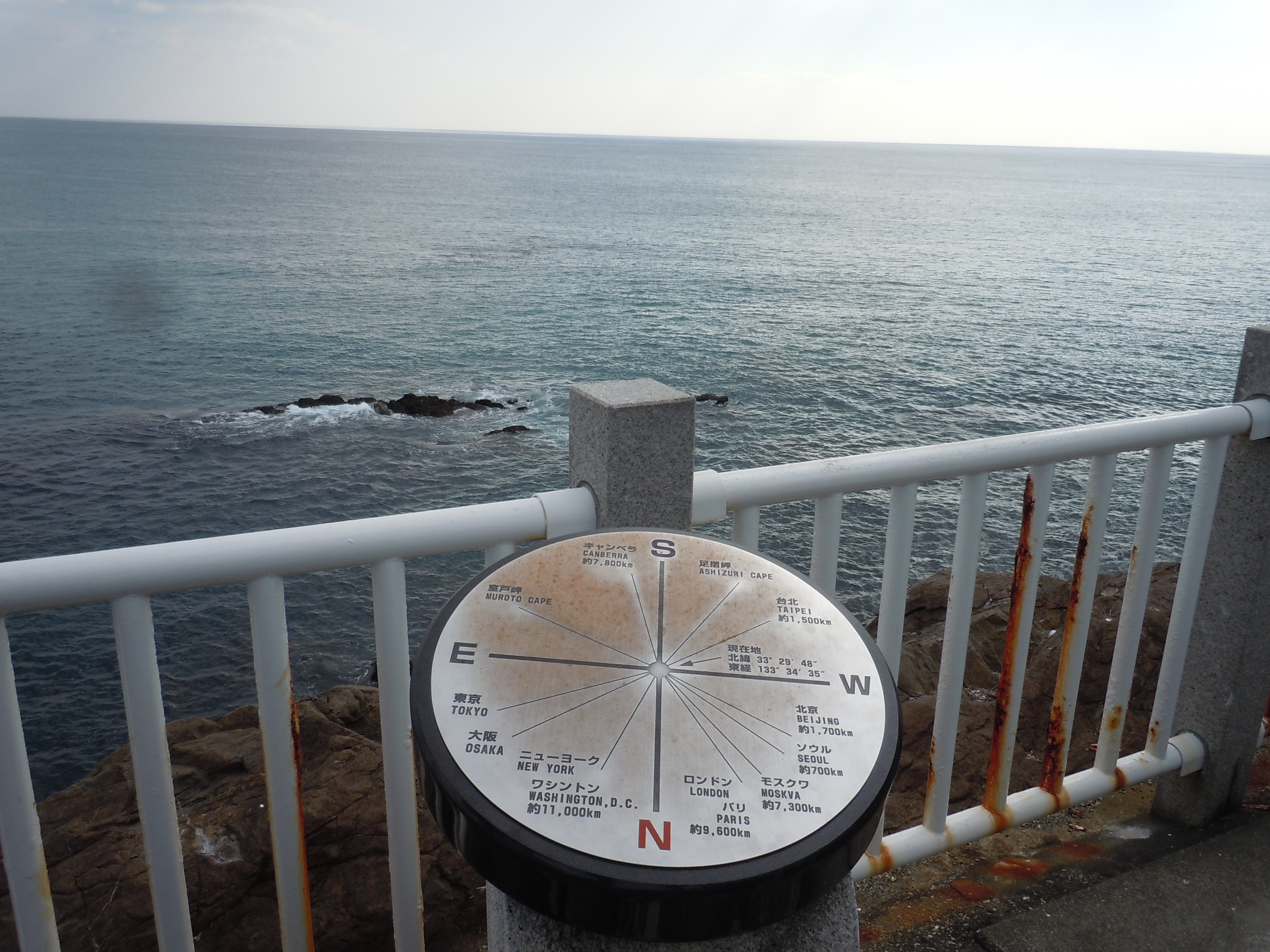
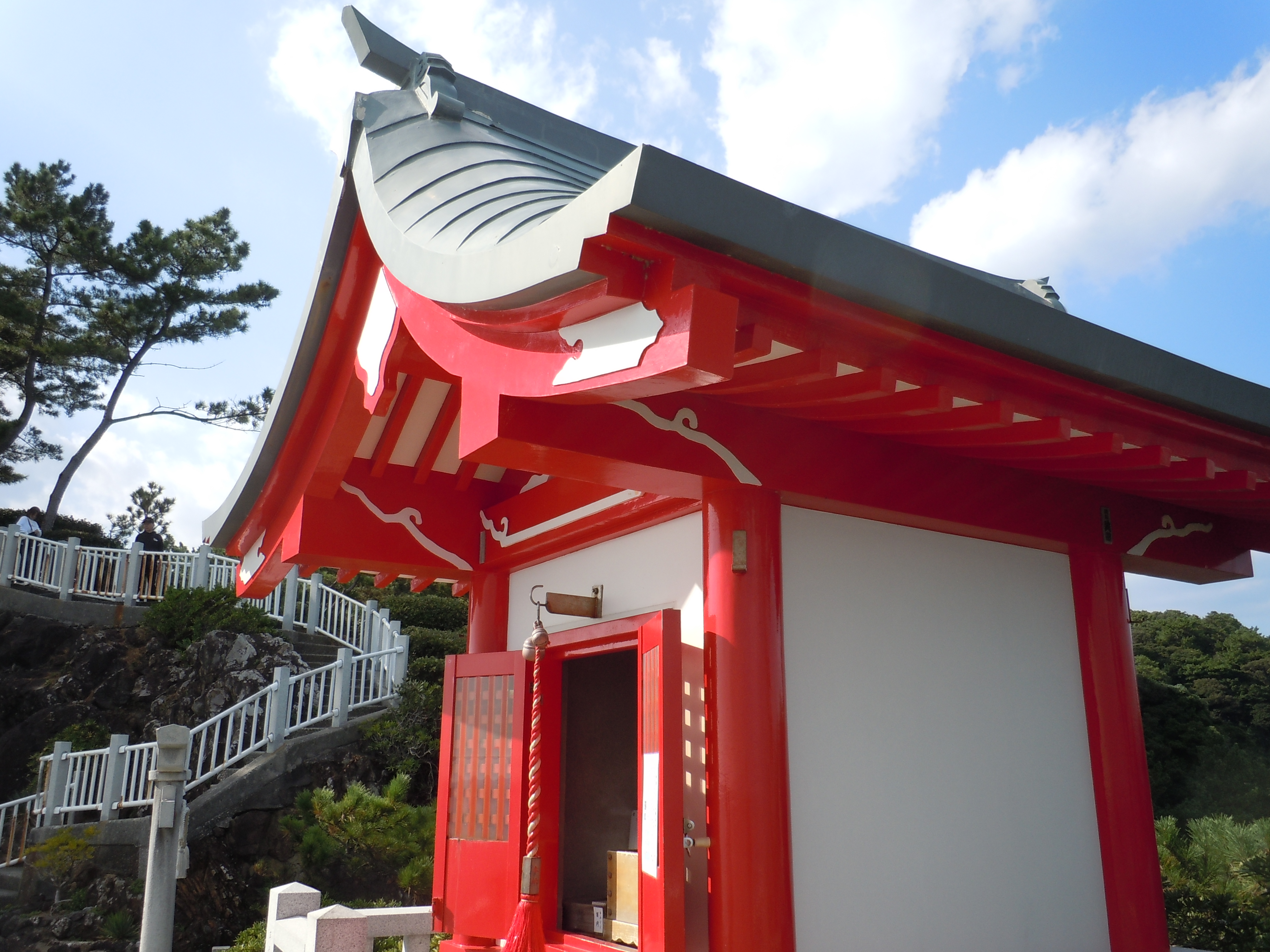
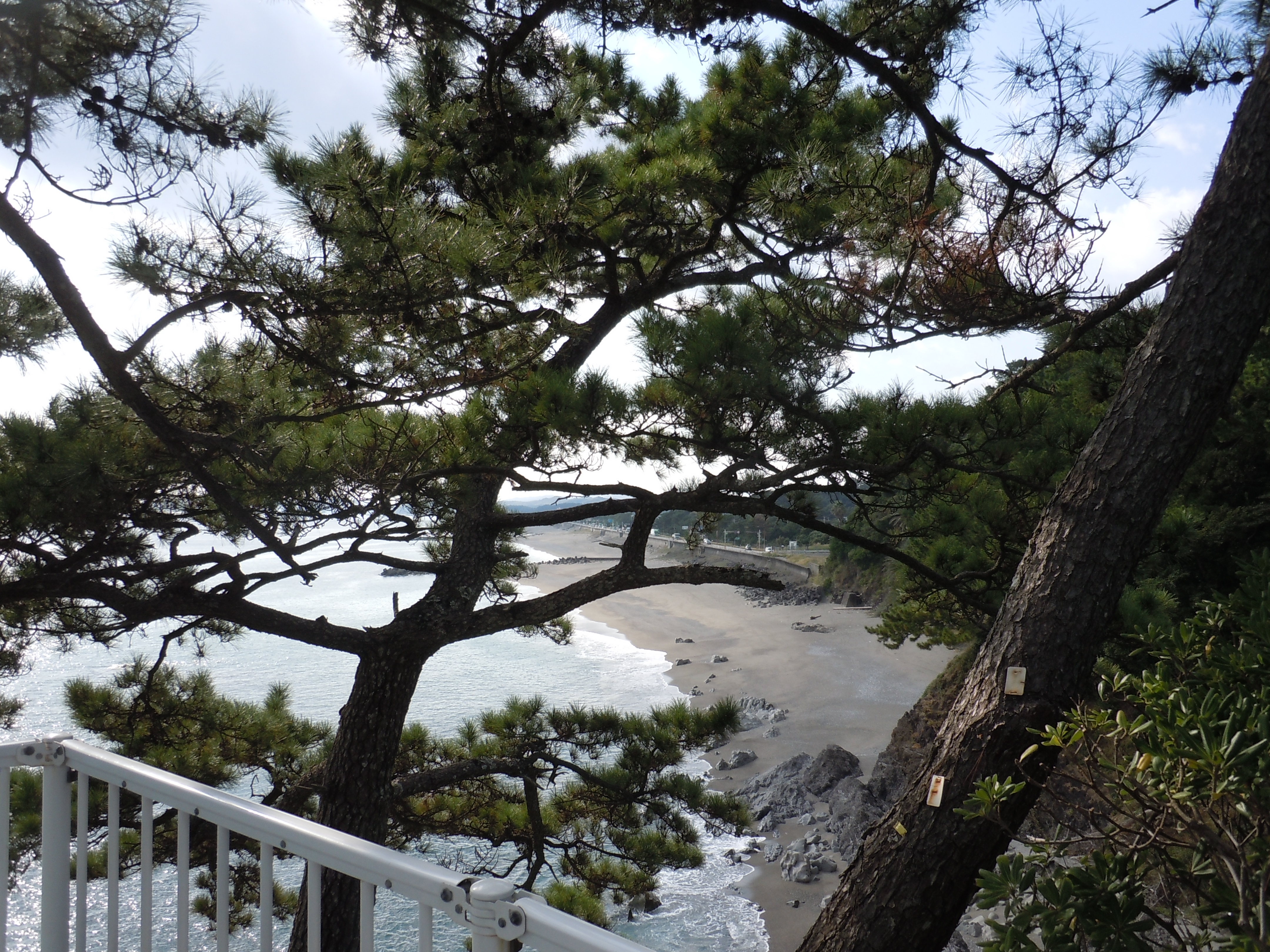
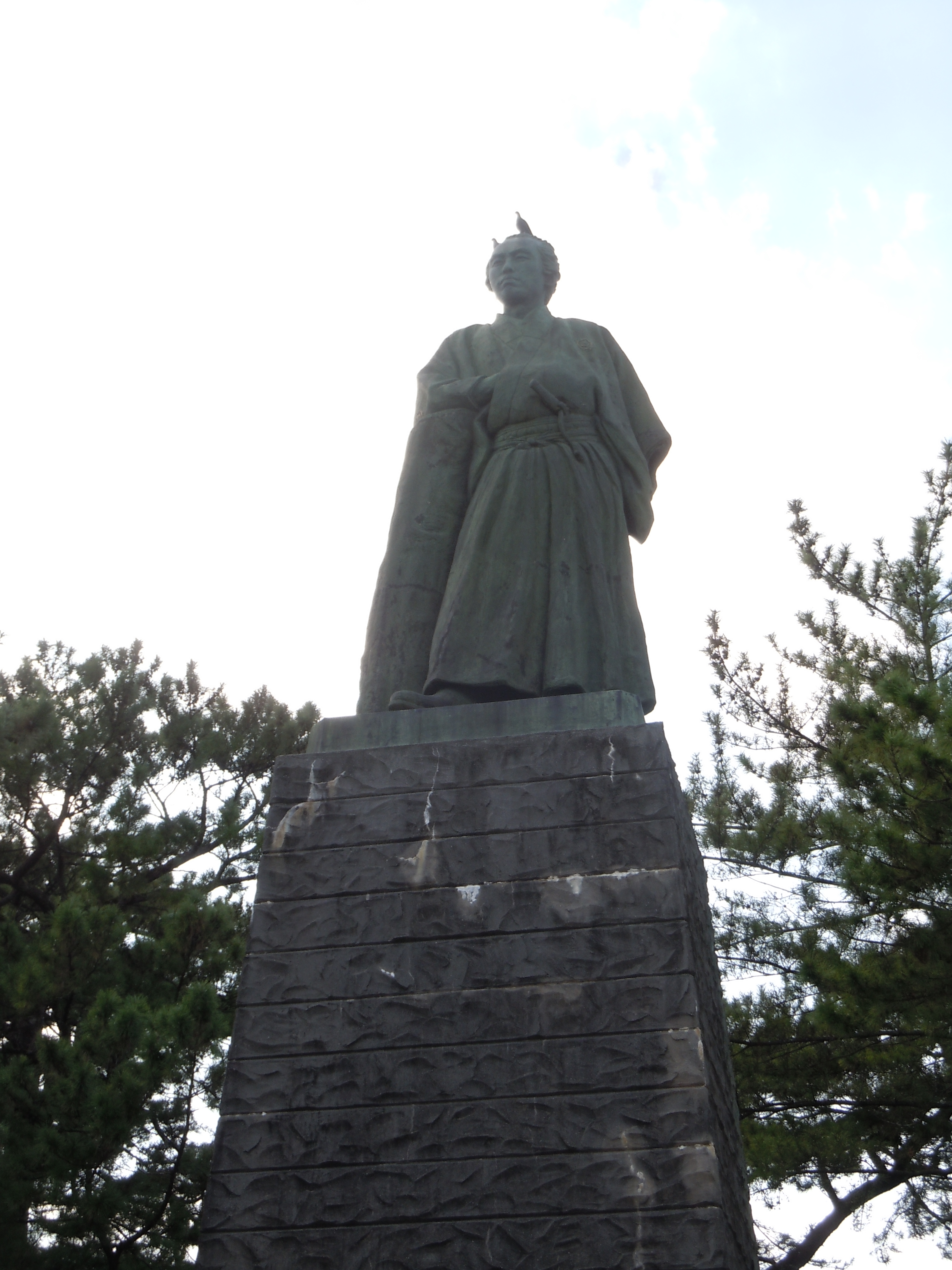
The beach is beautiful, but apparently the current around these parts is really dangerous, so no swimming allowed. Walid dabbles in surfing, but he rents a car and drives about two hours away to do so. While hiking up to the statue of Ryoma Sakamoto (more on him later), I was suddenly besieged on all side by geriatric whites, a first for my time in Japan. I spotted the culprit in the distance.

Don’t get me started on cruise ships, which besides being no fun, are horrible for the environment and local economies
After the beach I catch the bus a few stops to the Ryoma Sakamoto museum.
Sakamoto was a samurai and political activist at the end of the Edo Period who helped end the Tokugawa Shogunate (as we discussed, the military dictatorship that ruled Japan from 1603 to 1868). A native son of Kochi, he played a major role in the Satcho Alliance – brokered between two southwestern feudal domains – against the Shogunate. For this, he was assassinated by pro-Tokugawa forces in 1867 at the age of 31, shortly before the Meiji Restoration.
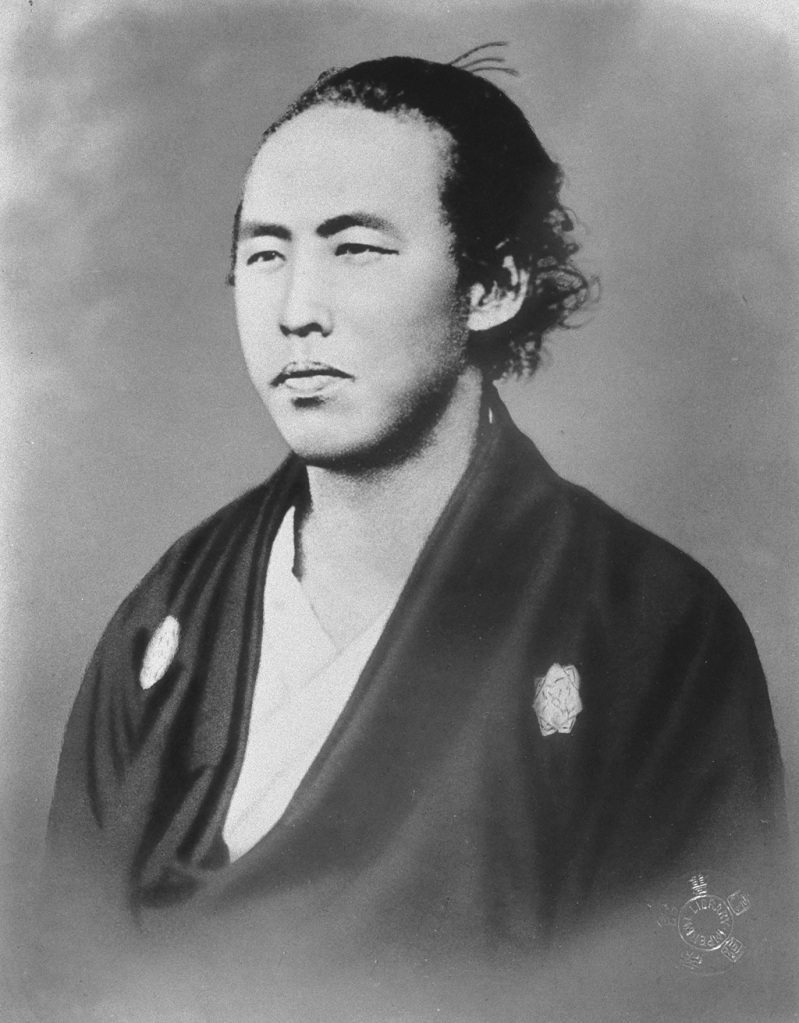
They’re very proud of him in Kochi (they’re known for him, katsuo no tataki, and the fact that they used to be a penal colony). There was only one room in English in the museum (albeit the biggest room). But to make up for that, there was a rooftop with an amazing view.

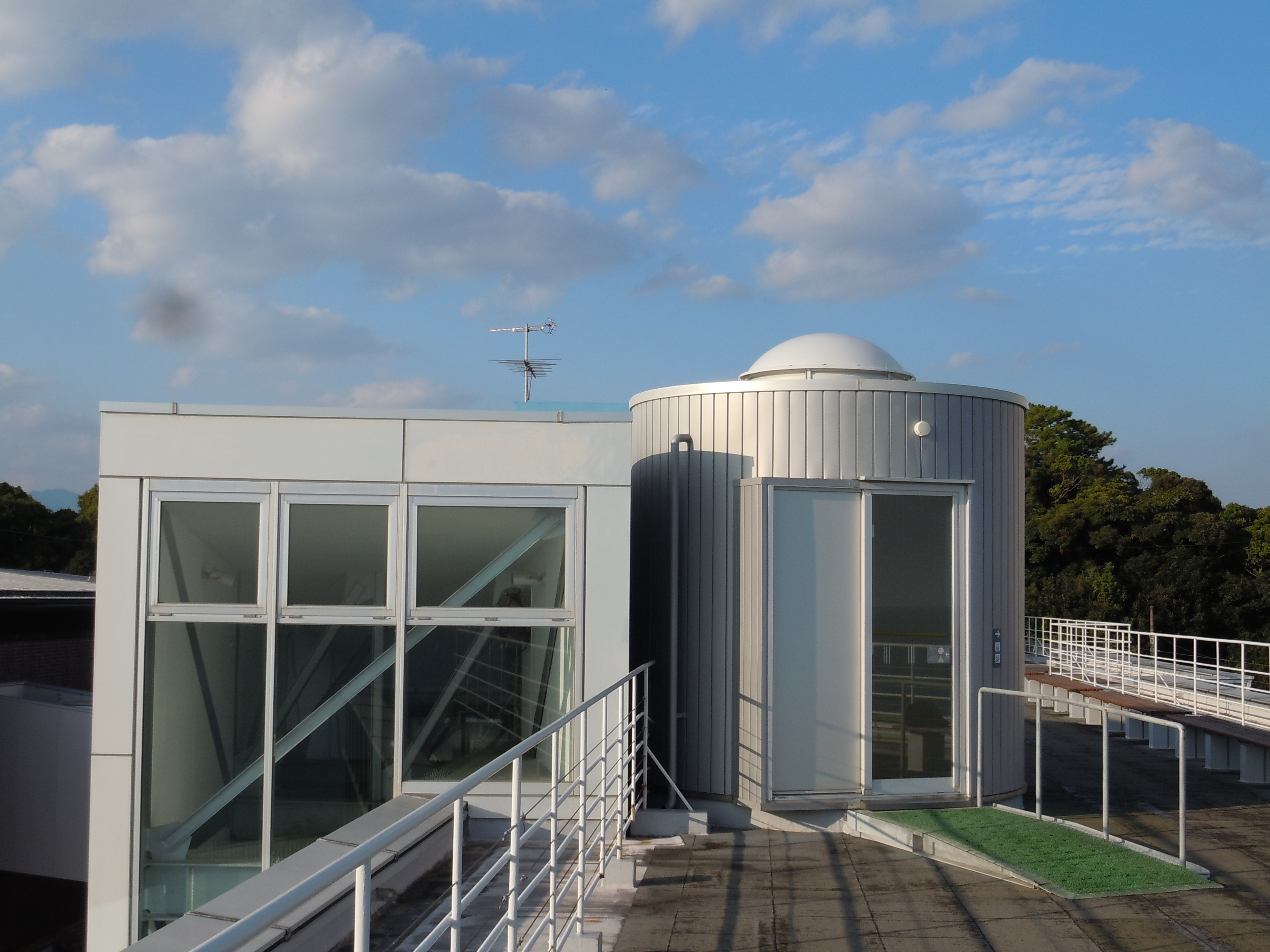
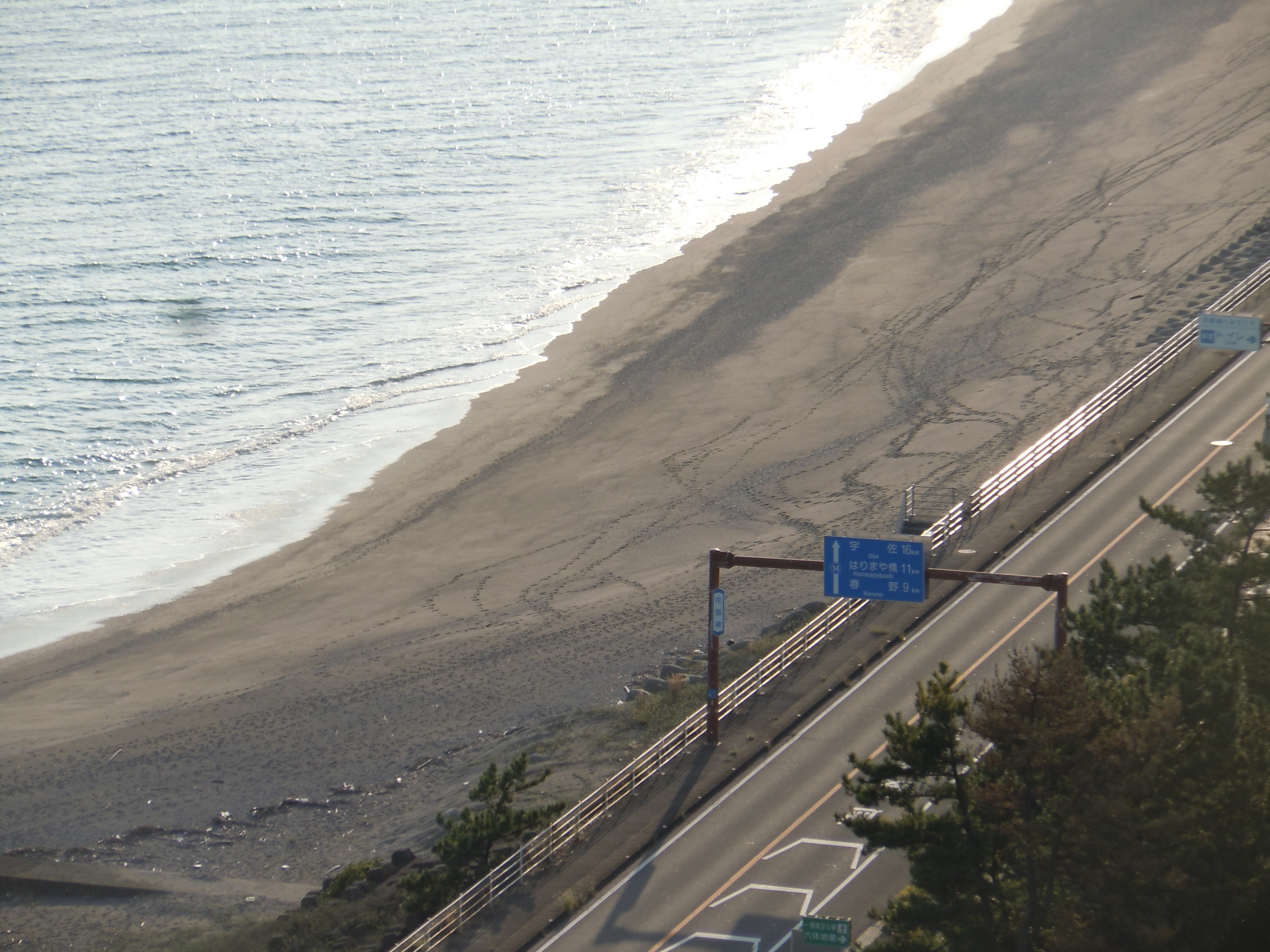
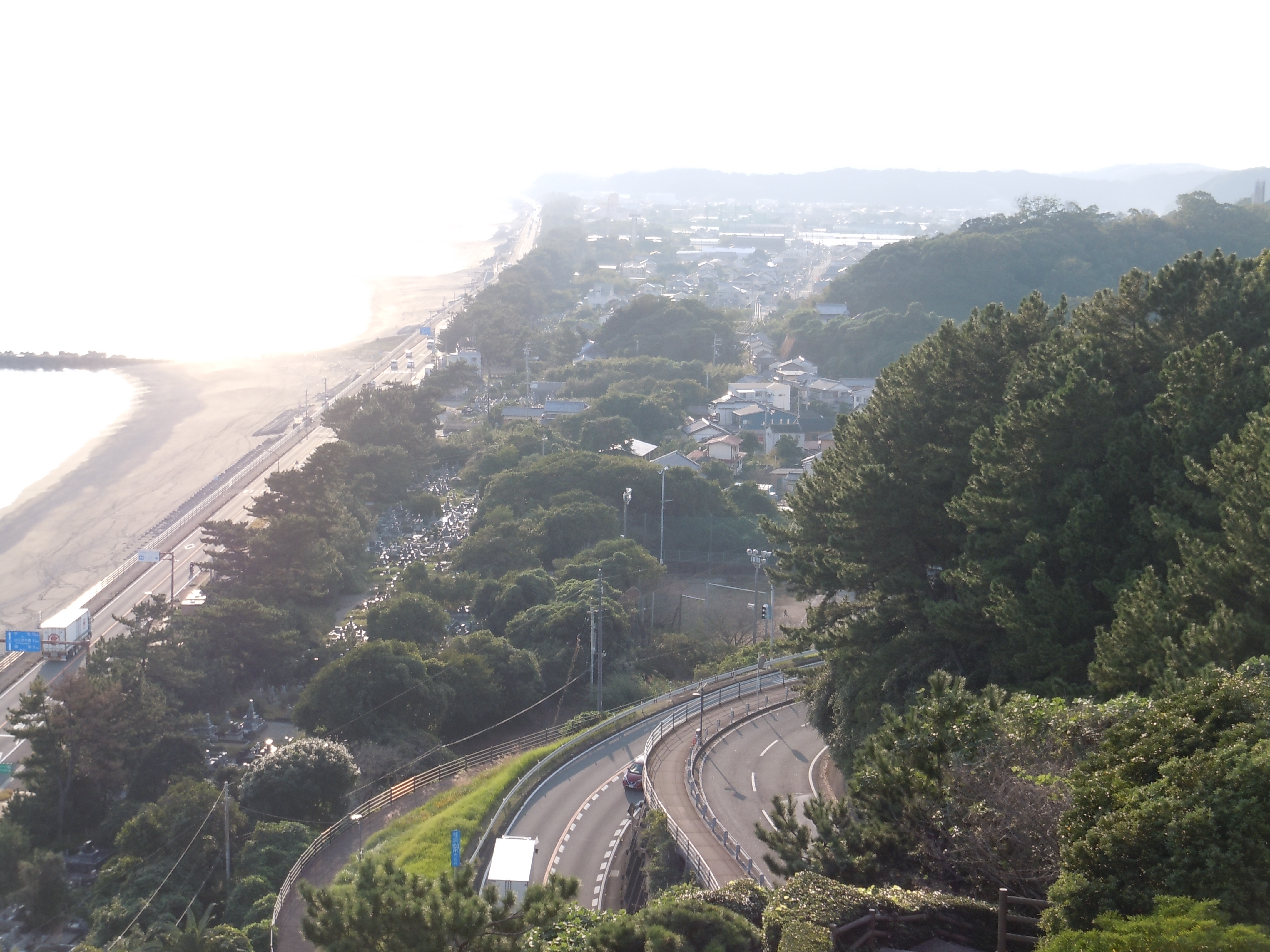

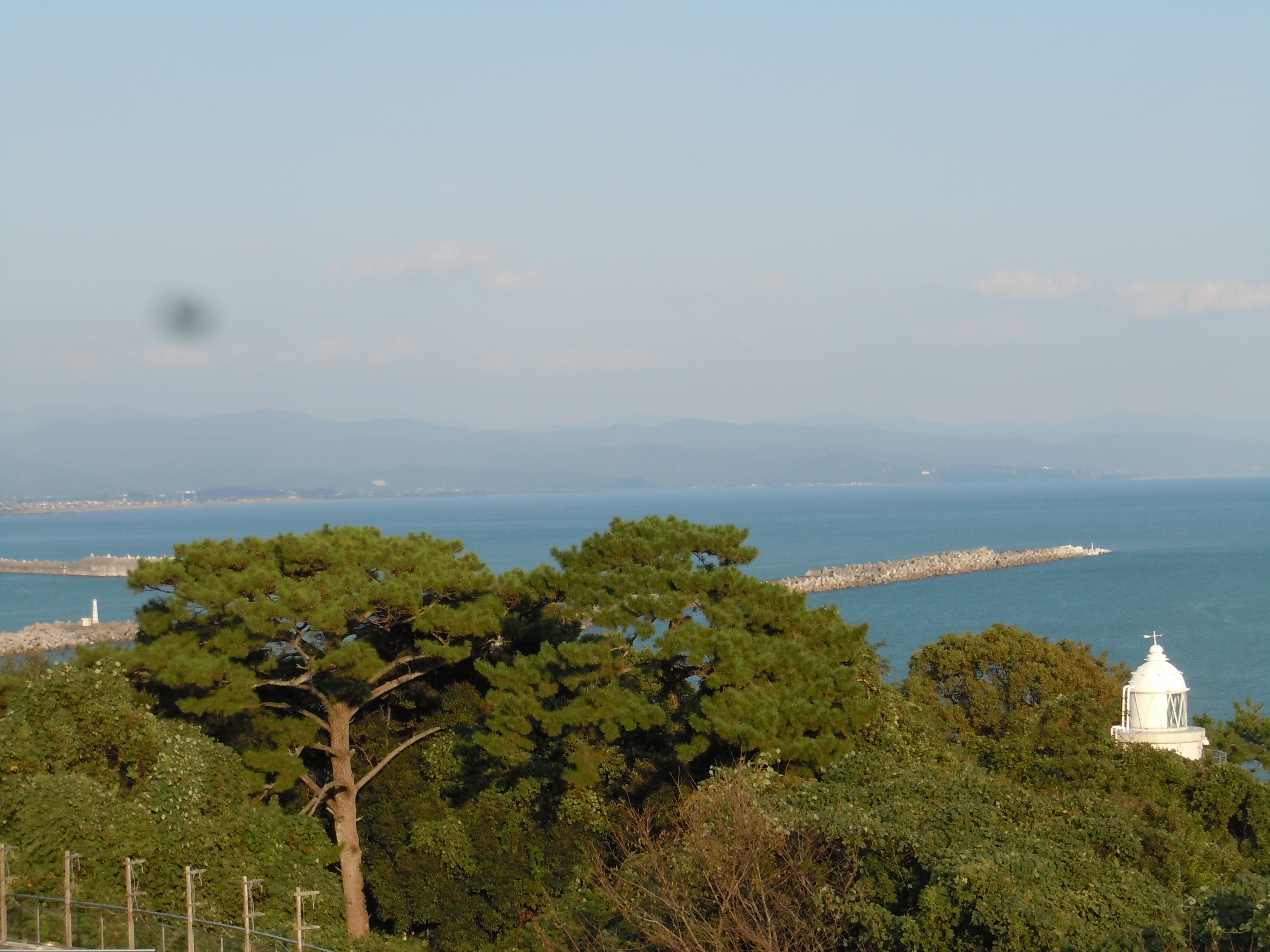
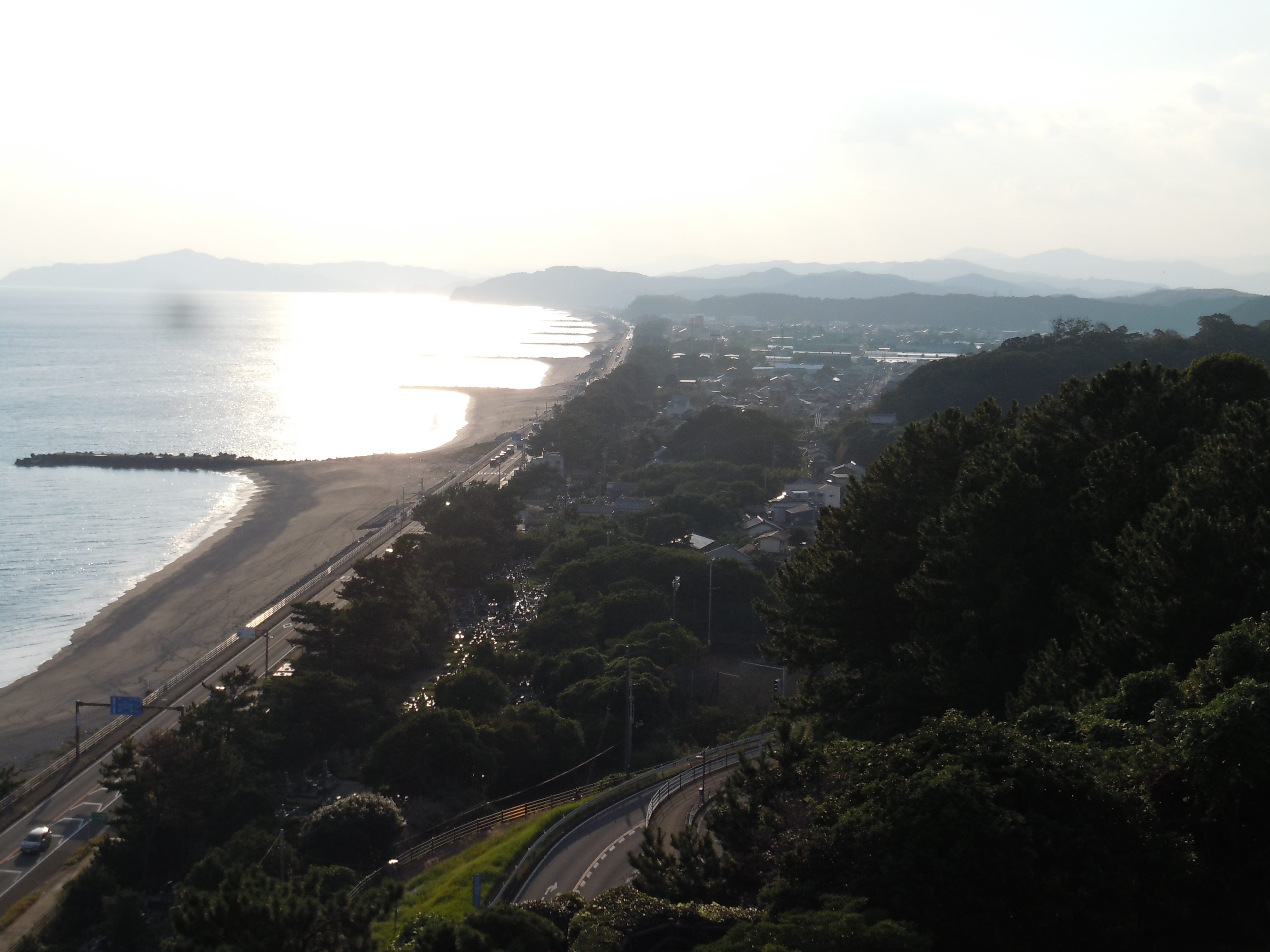
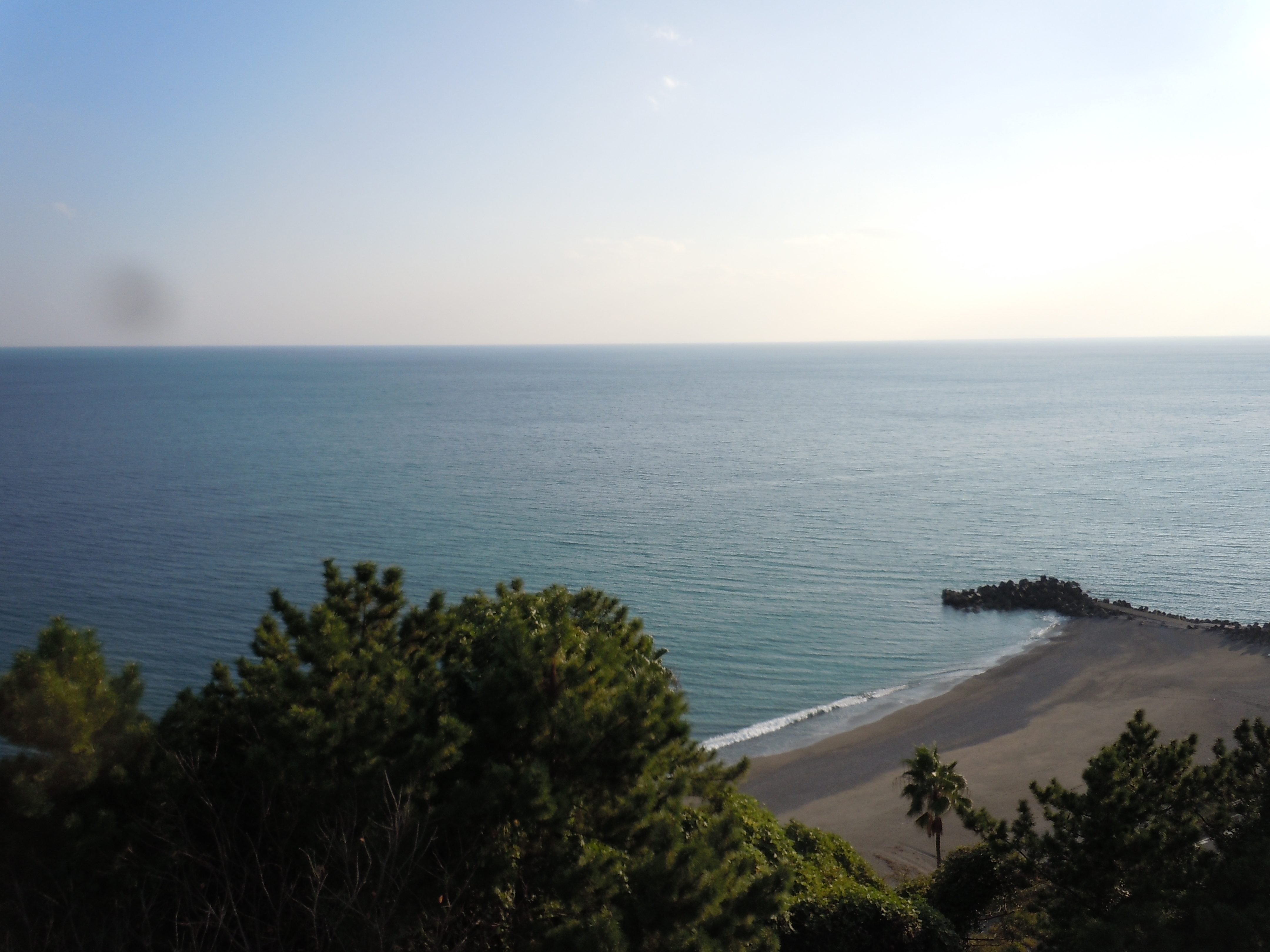

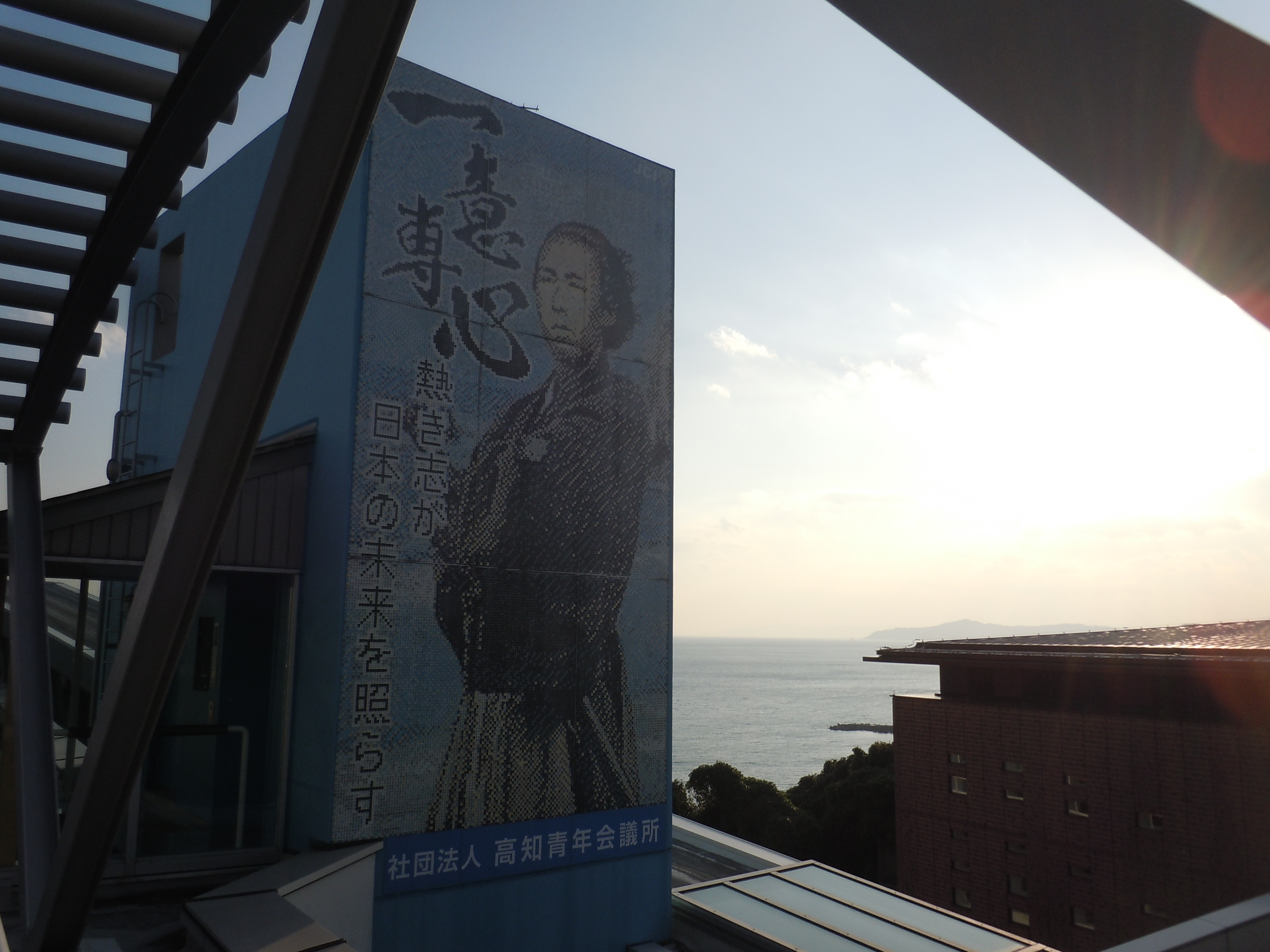
Sakamoto and I
After the museum, I was supposed to catch the sightseeing bus to the observatory to meet Walid for the sunset, but I accidentally took the wrong bus. In my defense, I was in the right place at the right time and got on the bus that presented itself. Against my defense, the bus clearly looked different from the bus I had ridden earlier. And as soon as I got on, I realized that it was a typically city bus. I got off at the next stop, but now I was stranded on the side of the road. As I got off the bus, a bunch of kids said hello to me and I said hello back (as I am conditioned to do by my job). The bus pulled away while I was consulting my various maps and timetables and no doubt looking very confused. Immediately a nice lady came over and asked me if I needed help. I explained my dilemma and after exhausting my other options (the next bus wouldn’t be for an hour and it would be a 2 hour walk) she graciously called me a cab. We made small talk while I waited for the cab, and I found out that she was an elementary school teacher (no doubt the teacher of those kids who got on the bus). She really saved my bacon, and though the cab was pricey, I got to the observatory just as the sun was setting.
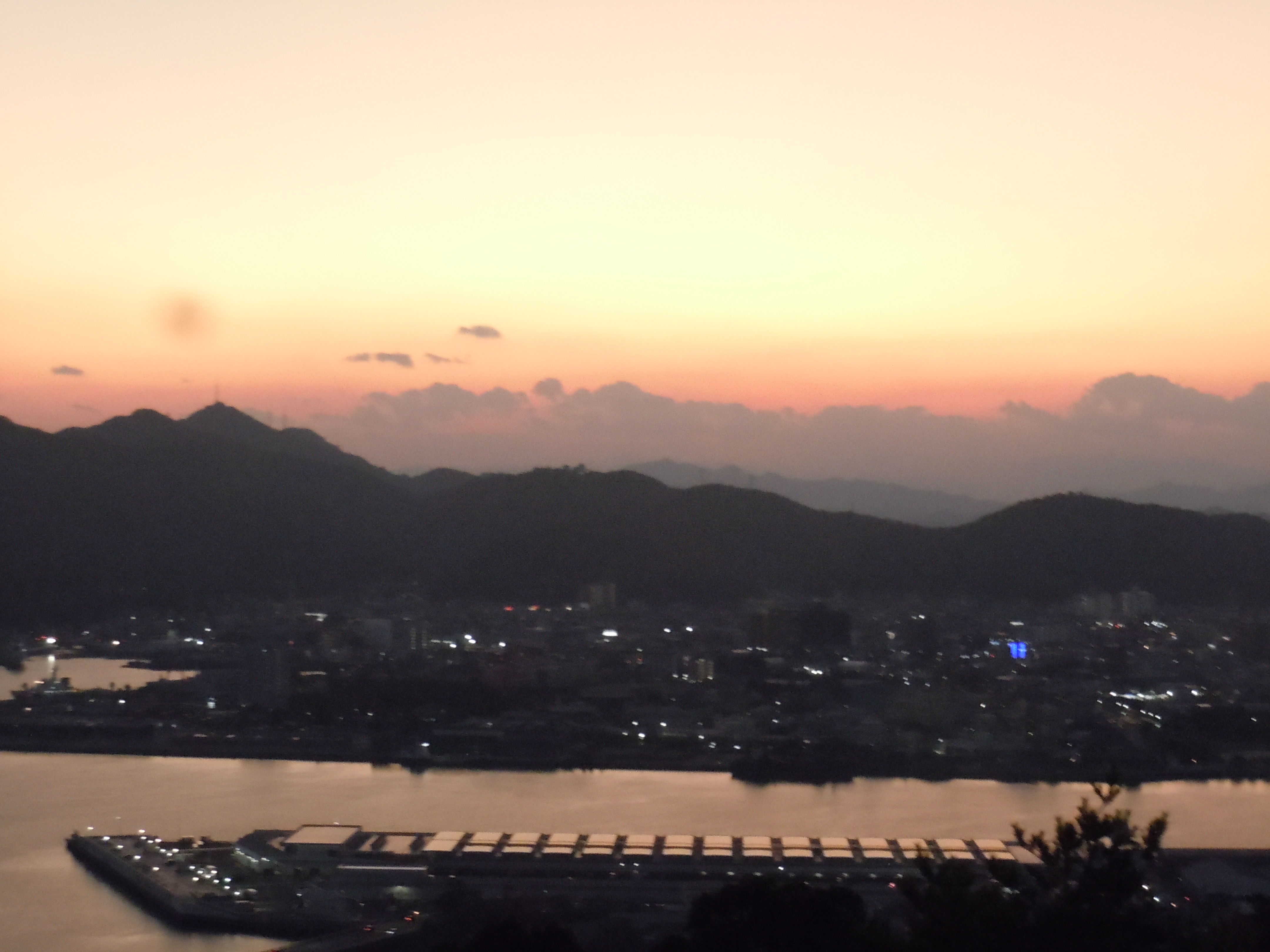


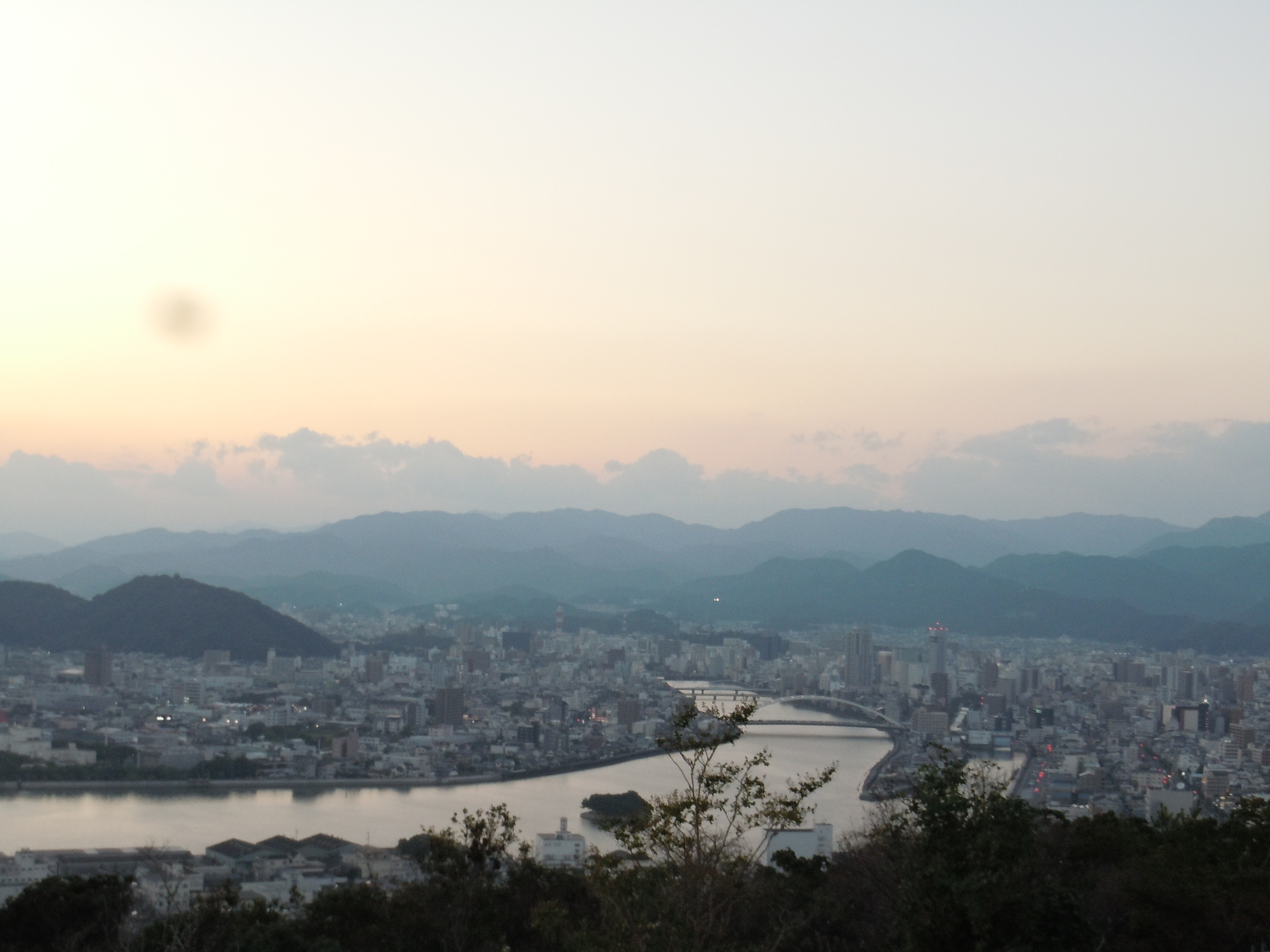

Shikoku really is blessed with sunsets (ignore that round smudge that appears in all my pictures, I don’t know how to fix it)
From the observatory, Walid and I walked to our restaurant of choice for dinner. I forget what the spot was called, but they serve absolutely massive portions chicken nanban with a special Kochi sauce (which tastes and looks like Russian dressing). Two of Walid’s Kochi ALT friends – one from Vancouver and one from Vienna, Virginia – joined us.

We retired on the early side to Walid’s spacious apartment, where he graciously allowed me to sleep on his couch. I booked a bus back to Matsuyama.
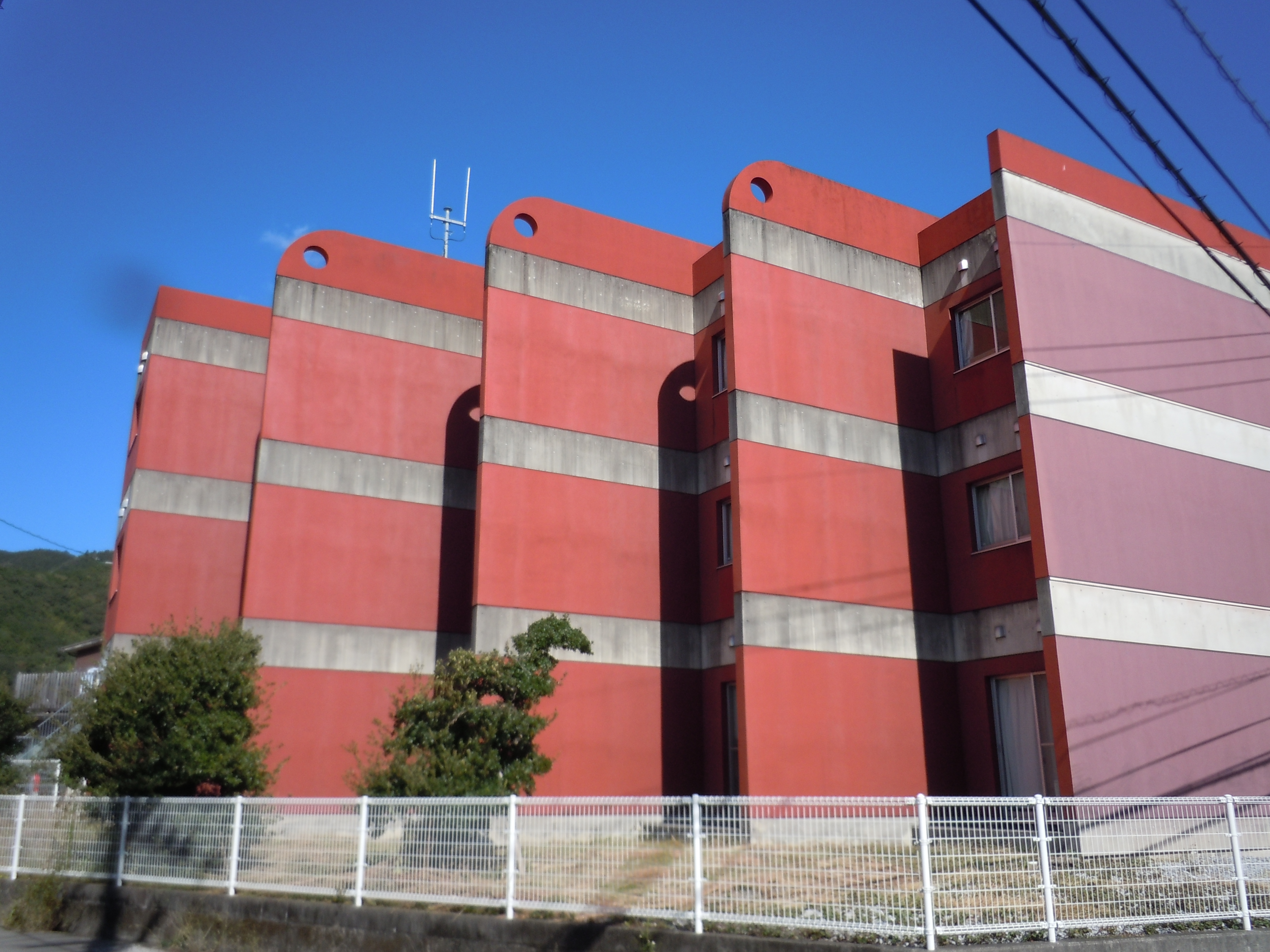

The next morning I checked out a local temple. In case you didn’t know, Shikoku has a Buddhist pilgrimage, called the Ohenro. It’s a 1200 km loop around the island that visits 88 different temples. This one, known as Zenrakuji, is #30.


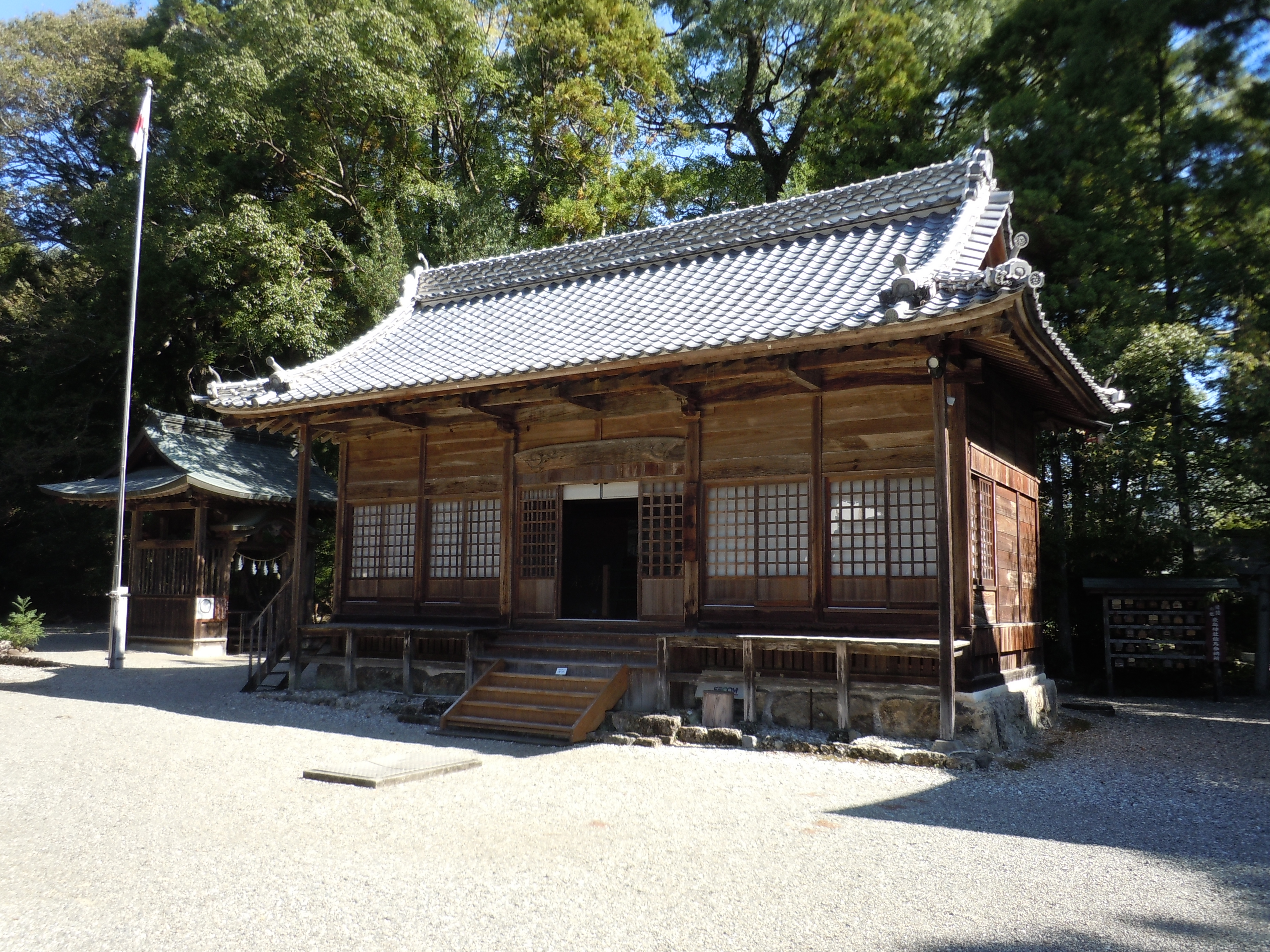

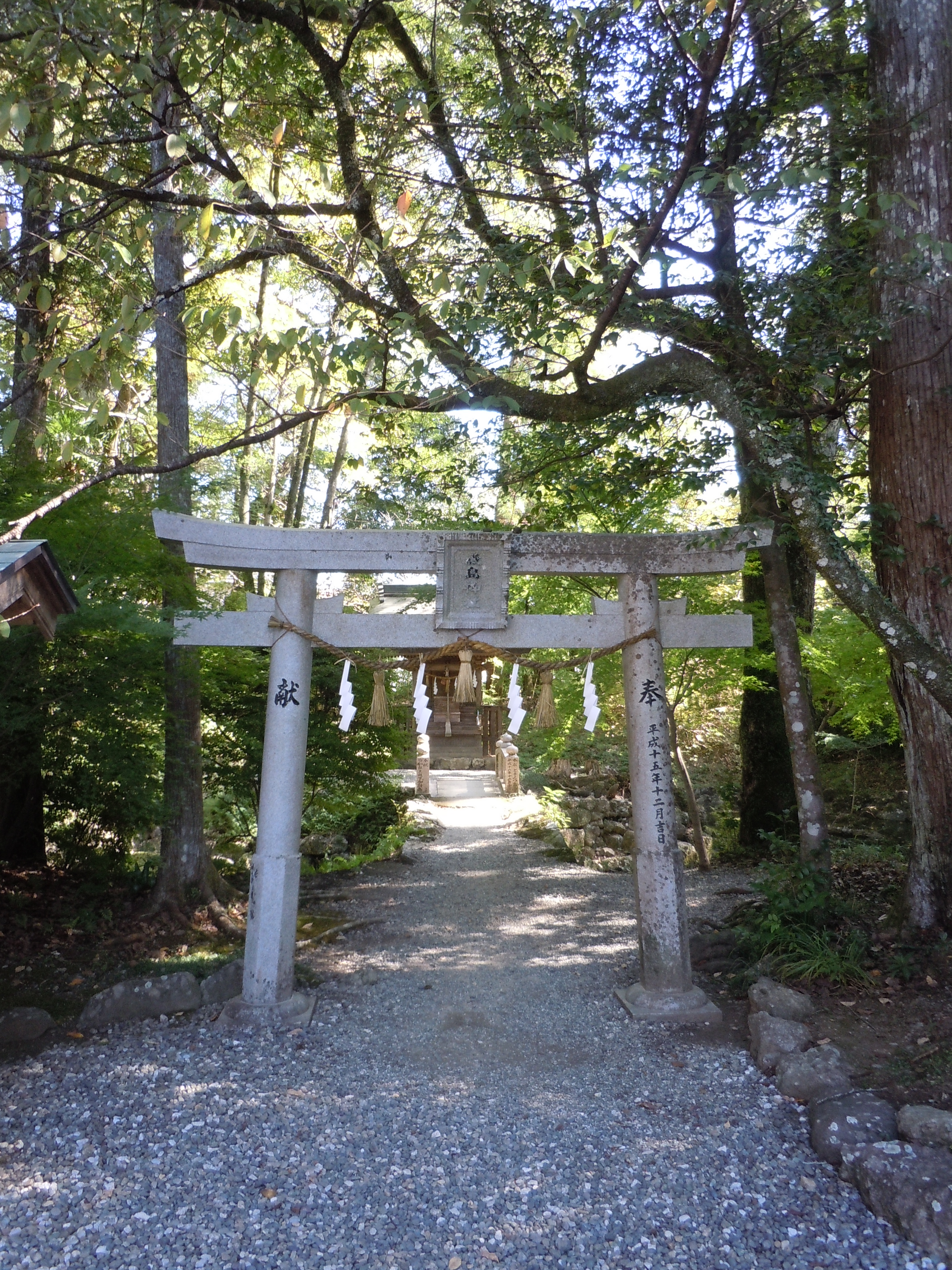
Some of my friends here are into the whole Buddhism thing (one of my friends, Linus, did the pilgrimage a year or so prior). While my understanding of Buddhism is very limited, I like what I hear. I like the idea of meditation, although I don’t know if I could sit still and clear my mind like that. Sometimes I wonder if I need some spirituality in my life.
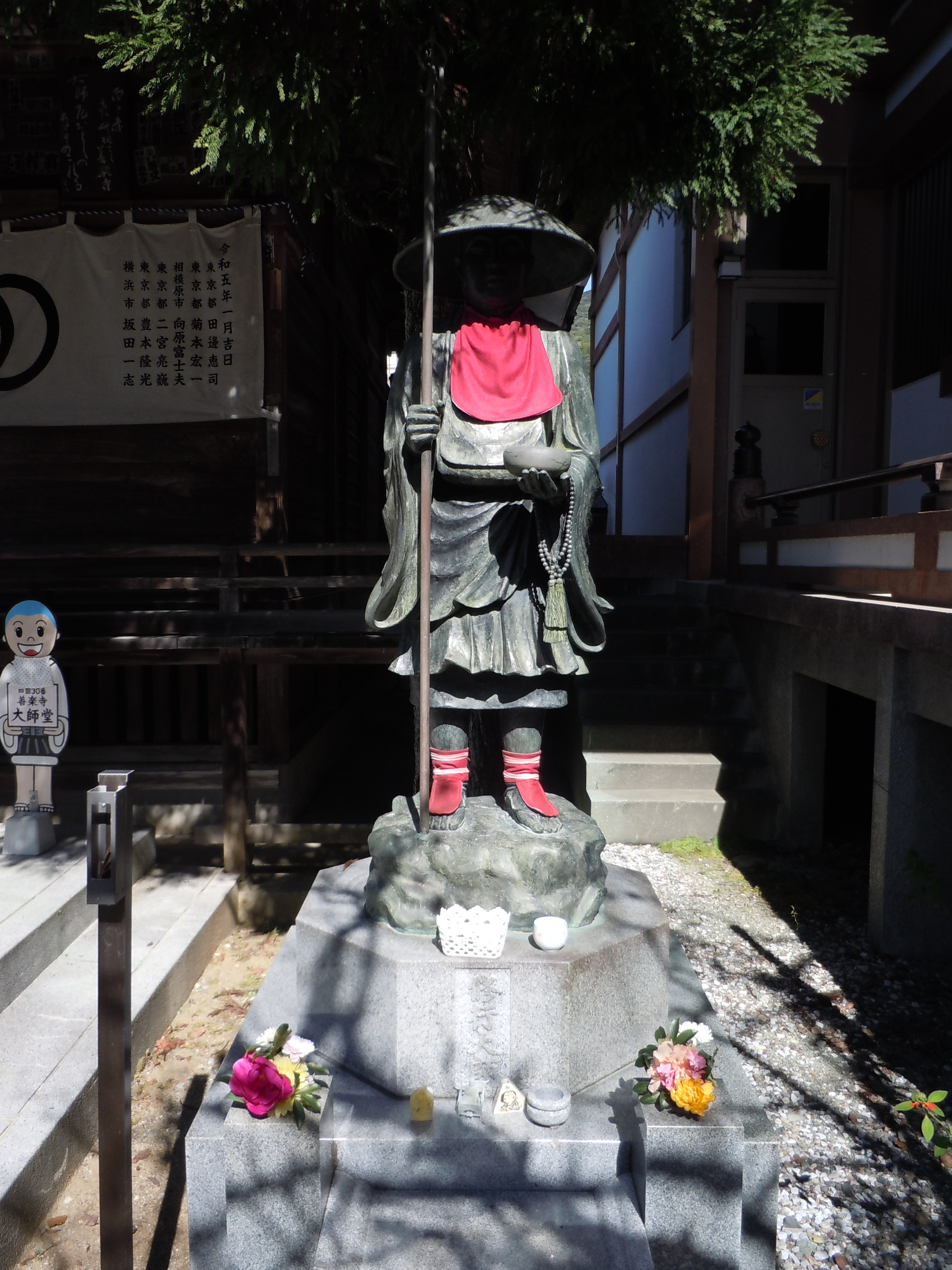
Right next door is some more temple action, including a very Southeast Asian looking Buddha statue.


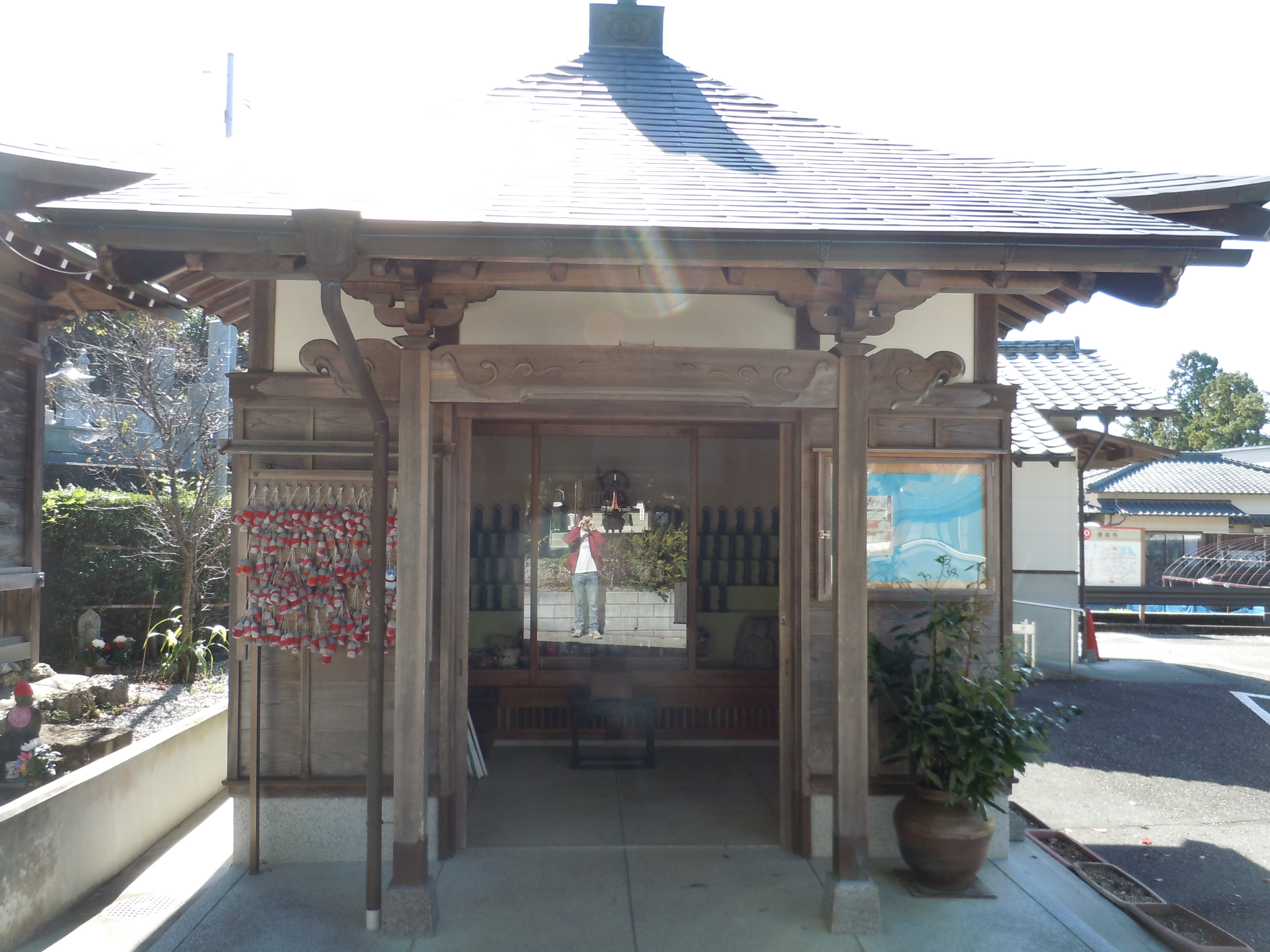

I thought the photo of the phone booth next to the ancient stone marker would make for good photo fodder (the juxtaposition of two eras, etc) but it didn’t quite come out how I wanted
While I enjoyed my serenity now, I couldn’t linger because I had to catch my bus back to Matsuyama.


Yes I know it’s an ancient Buddhist symbol and all that but it’s still a little jarring to see a swastika – chili dog, anyone?
And that’s Kochi. Who knows what the future holds? I am very excited to announce that I have secured a ticket to see one of my favorite jazz musicians, Herbie Hancock, in Osaka in December. The concert is on a Tuesday night, so I’ll probably take Monday, Tuesday, and Wednesday off and head up over the weekend to have a proper Osaka trip – my pilgrimage to see the Hanshin Tigers was wholly insufficient, as I was only there for about 24 hours. Another jazz legend, Masayoshi Takanaka, is playing in Hiroshima at the end of November, so I will try to make it to that as well.
Until then…


 Eat It
Leave a comment